



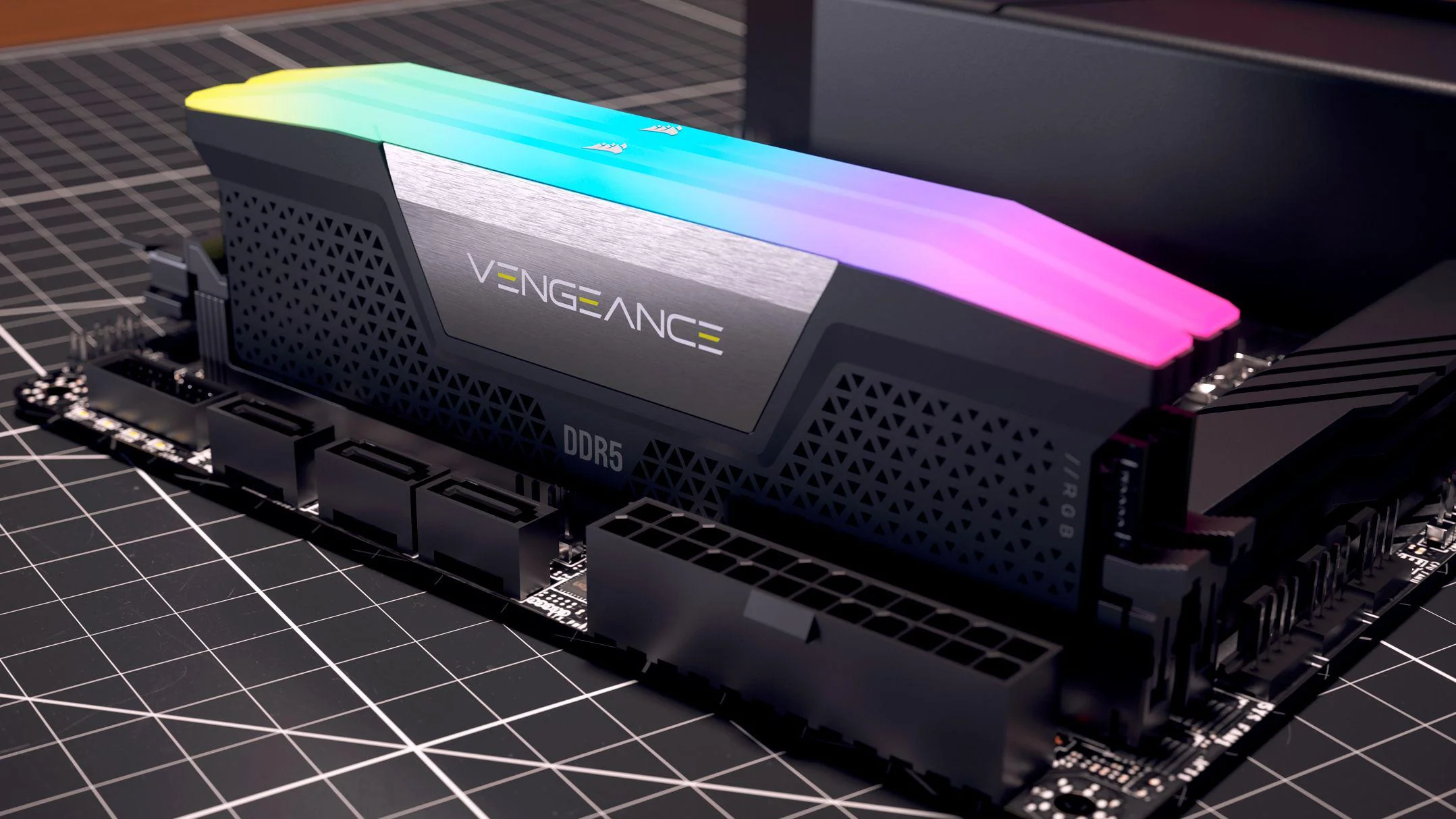
CXMT’s DDR5 memory may not bring the price relief many PC builders expected. While the Chinese DRAM maker has been seen as a possible answer to rising memory costs, several memory vendors at Computex said its DDR5 pricing is close to Samsung, SK Hynix, and Micron rather than meaningfully cheaper.
That changes the story around CXMT. The company may still help the market by adding more supply, especially for mainstream and entry level memory modules, but it does not appear to be offering a major price advantage. Its real strength right now is availability, not lower cost.
The DRAM market has been under pressure as demand from AI data centers continues to absorb high end memory supply. Samsung, SK Hynix, and Micron are focused heavily on premium memory products such as HBM and other advanced solutions used by AI customers. That has left the consumer PC market with tighter supply and higher prices.
CXMT is in a different position. It is not yet competing strongly in premium memory categories, so it has more room to serve traditional DRAM markets. That includes standard DDR5 modules for desktops and laptops. For PC builders, that could still matter because extra supply can help reduce shortages, even if prices do not immediately fall.
CXMT’s advantage is supply, not bargain pricing
Multiple memory vendors said CXMT DDR5 is not much cheaper than products from the big three memory makers. That means buyers should not expect CXMT based RAM kits to suddenly restore the low DDR5 prices seen before the current memory crunch.
| Memory maker | Current market position |
|---|---|
| Samsung | Major global DRAM supplier with strong premium memory focus |
| SK Hynix | Major supplier, heavily involved in AI focused memory |
| Micron | Major global DRAM supplier across consumer and enterprise markets |
| CXMT | Growing DRAM supplier with more focus on mainstream DDR5 availability |
CXMT’s DDR5 has reportedly made fast progress, with speeds reaching up to 8000 MT/s and RDIMM production already underway. Still, the company remains behind rivals in more advanced memory formats such as CUDIMM, CQDIMM, MRDIMM, and CSODIMM. That limits where its chips can compete for now.
Because of that, vendors are mainly looking at CXMT for entry level and mainstream modules. Some companies are already validating CXMT DDR5 for their own products, but these modules are expected to start in China first before gradually reaching more global markets when better memory bins become available.
There is one area where CXMT may have a business advantage. Vendors said the company is more flexible with customers. Larger global memory makers are reportedly pushing customers to pay full costs to secure extra supply, and those who do not pay may face penalties on future orders. CXMT is said to be less aggressive on that front, which could make it easier for module makers to work with.
That flexibility may help CXMT gain more partners even without undercutting prices. In a tight market, having supply available without added pressure or penalty terms can be valuable. For RAM brands, that could mean CXMT chips become attractive for practical reasons rather than price alone.
For consumers, the takeaway is simple. CXMT may help improve DDR5 availability, but it is unlikely to be a quick fix for high memory prices. If vendors are paying similar prices for CXMT chips, retail RAM kits may not become dramatically cheaper just because they use Chinese DRAM.
Still, more competition is good for the market. If CXMT continues improving its technology, expands production, and reaches stronger speed bins, it could become a more serious global alternative over time. That may eventually pressure the established memory makers, especially in mainstream DDR5.
For now, though, the idea of “cheap CXMT DDR5” looks overstated. The company’s memory may enter more PCs and RAM kits, but the benefit is likely to come from added supply and fewer purchasing headaches, not a major discount at checkout.



Discussion (0)
Be the first to comment.