



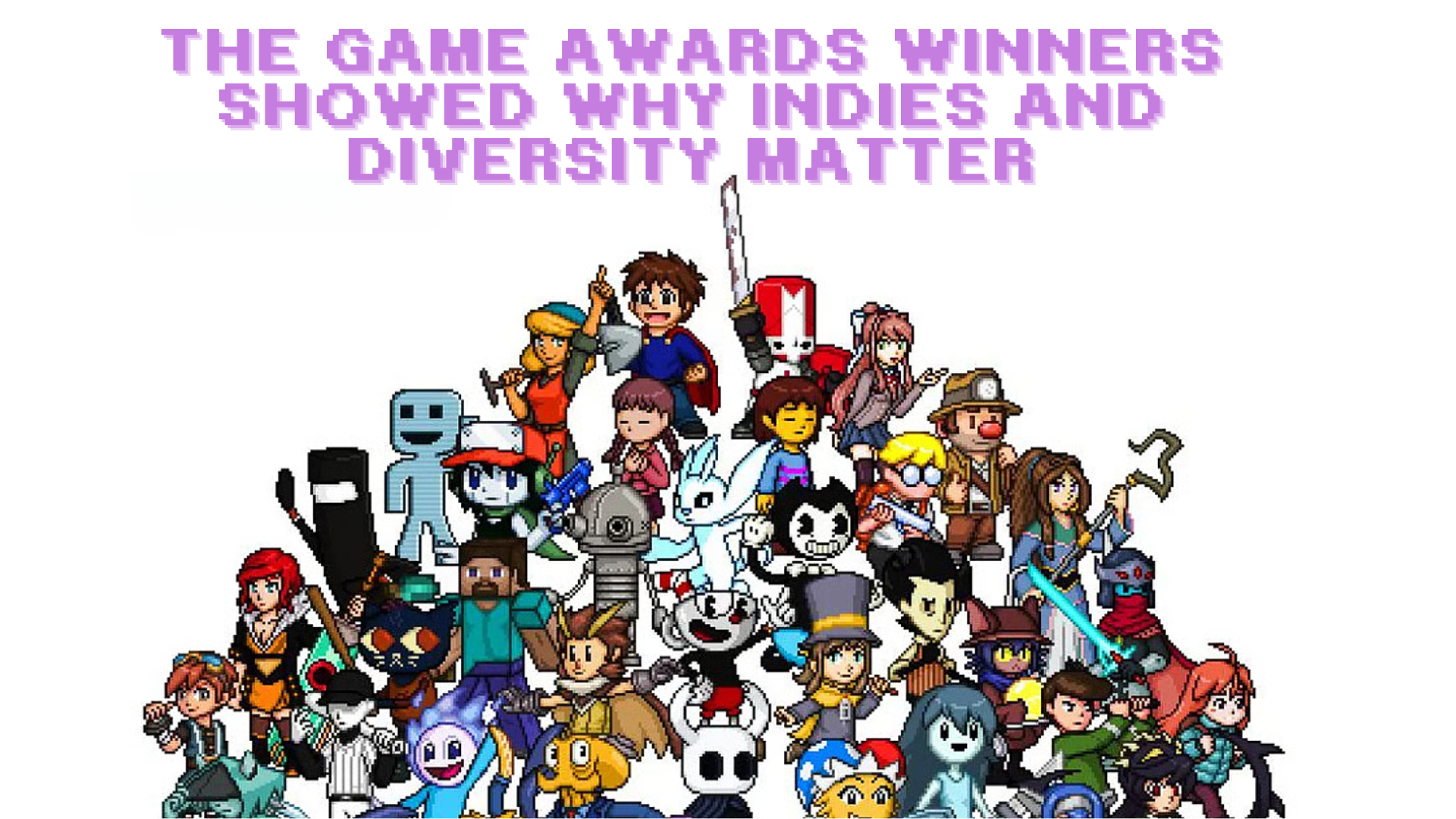
Indie games and games with diverse representation took several of the biggest moments at The Game Awards, signaling that smaller studios and fresh perspectives still cut through on a mainstream stage. At the time of writing, fans keep talking about how a breakout title can win multiple categories, while culturally specific games also earn major recognition.
This year’s winners also highlighted a familiar tension in the industry. Players celebrated creativity and new voices, while developers across the business still dealt with layoffs and studio uncertainty behind the scenes.
What Happened At The Game Awards
The night delivered a clear headline: an indie-led Game of the Year run helped set the tone for the entire show. At the same time, awards that spotlight impact and representation reinforced how much audiences value games that center underrepresented cultures and perspectives.
That mix helped the ceremony land as both a celebration of big releases and a reminder that the medium’s most memorable moments often come from teams that take creative risks.
Key Winners That Fueled The Conversation
Several categories drove the “indies and diversity” narrative because they rewarded storytelling, community, and cultural specificity. These wins also shaped the top search intent around Game Awards winners, Game of the Year, and Games for Impact.
- Game of the Year went to Clair Obscur: Expedition 33, a result that quickly became the show’s defining takeaway for many viewers.
- South of Midnight won Games for Impact, reinforcing demand for games that treat representation as core design, not an add-on.
- No Man’s Sky won Best Ongoing Game, highlighting long-term support and sustained community trust.
- Baldur’s Gate 3 won Best Community Support, a category that often reflects creativity, inclusivity, and player-led culture.
On social media, these results typically travel as storylines, not just trophies. Viewers share clips, acceptance speech quotes, and community reactions that make certain winners feel bigger than their category label.
Why Indie Wins Matter For The Industry
When an indie game wins across major categories, it does more than validate one studio. It tells publishers and players that strong art direction, tight design, and confident storytelling can compete with larger budgets and bigger marketing machines.
It also changes what players search for next. After a high-profile win, interest tends to shift toward “what is this game,” “is it worth buying,” and “what makes it different,” which can extend the tail of attention for months.
Why Diversity And Representation Keep Showing Up In Awards Talk
Games that center identity, place, and culture often spark deeper discussion because they give players something specific to connect with. When a title like South of Midnight earns a spotlight award, it signals that the industry still values games that aim for meaning, not just scale.
That recognition matters in a year when online discourse around representation can turn hostile fast. Awards do not solve that problem, but they can validate the creators and communities that keep pushing the medium forward.
How Community Support Awards Reflect Real Player Behavior
Categories like Best Community Support and Best Ongoing Game often track what players actually do, not just what they say. People stick with games that deliver updates, respect time, and support player creativity.
That is why these awards often feel like a credibility check. A win can signal that a game’s live service model, moderation approach, and player experience hold up under long-term use.
What This Suggests About What Players Want Next
The show’s biggest themes point toward a near-term future where players reward clarity and craft. They want strong stories, readable art direction, and communities that feel worth joining, whether the game comes from a massive publisher or a smaller studio.
If studios treat awards attention as a signal, expect more investment in distinctive worlds, tighter narrative design, and games built to support creators and communities over time.
Summary
- Indie games led the night’s biggest storyline, with major category wins driving attention.
- Games that emphasize representation earned prominent awards and sparked broader discussion.
- Community-focused categories highlighted long-term support and player trust.
- The results point toward sustained demand for creative risk and culturally specific storytelling.
Conclusion
The Game Awards results showed how far indie games and diverse stories can travel when they land with players. Even with ongoing instability across the industry, the winners made one point clear: audiences still reward originality, strong communities, and games that feel personal.


Discussion (0)
Be the first to comment.