



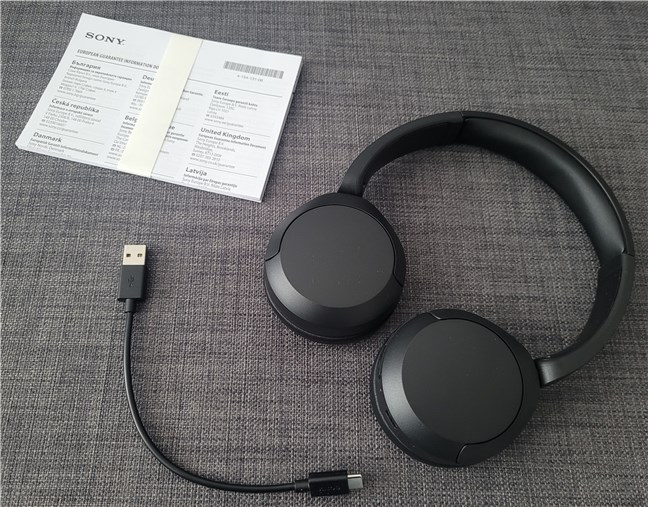
Put on a good pair of noise-cancelling headphones and the world seems to soften. The hum of an airplane fades, the drone of traffic disappears, and suddenly everything feels quieter.
It can feel almost like magic.
But what’s happening isn’t silence. It’s a very specific kind of engineering that works brilliantly in some situations and far less effectively in others.
Understanding how noise cancellation works makes it clear why.
The Core Idea: Cancelling Sound with Sound
At its heart, noise cancellation is based on a simple principle:
Sound is a wave. If you generate an equal and opposite wave, the two cancel each other out.
This is called destructive interference.
Imagine a wave going up while another goes down at the exact same time. When they meet, they flatten each other.
Noise-cancelling headphones use this idea in real time.
They:
- Listen to the surrounding noise
- Generate an inverse version of that sound
- Play it through the speakers
The result is that certain external sounds are reduced before they even reach your ears.
How Active Noise Cancellation (ANC) Works
Modern headphones use Active Noise Cancellation (ANC) to make this possible.
The process happens continuously and extremely quickly.
Step 1: Microphones Capture External Noise
Small microphones on the headphones pick up ambient sound around you.
This includes:
- Engine hum
- Air conditioning noise
- Traffic rumble
Step 2: The System Analyzes the Sound
An internal processor analyzes the incoming noise signal.
It determines:
- Frequency
- Amplitude
- Timing
Step 3: An Opposite Signal Is Generated
The headphones create a sound wave that is the exact inverse of the noise.
Step 4: The Signals Cancel Each Other
When both waves reach your ears, they interfere with each other and reduce the perceived noise.
All of this happens in milliseconds.
Why Noise Cancellation Works Best for Low Frequencies
Noise cancellation is not equally effective for all types of sound.
It works best for steady, low-frequency noise, such as:
- Airplane engines
- Train rumble
- Fan noise
These sounds are:
- Predictable
- Continuous
- Easier to model and cancel
That’s why ANC feels especially effective in environments with constant background noise.
Why It Struggles with Voices and Sudden Sounds
Higher-frequency and unpredictable sounds are much harder to cancel.
Examples include:
- Human speech
- Keyboard clicks
- Sudden noises like doors closing
These sounds change quickly and have complex patterns.
By the time the system detects and generates an inverse wave, the sound may have already reached your ears.
This timing limitation is one of the biggest constraints of noise cancellation.
Passive Isolation vs Active Cancellation
It’s important to separate two concepts that often get mixed together.
Passive Isolation
This is simply physical blocking of sound.
- Ear cups
- Foam tips
- Sealed designs
They reduce noise by preventing it from entering your ears.
Active Noise Cancellation
This is the electronic process described earlier.
The best headphones combine both:
- Passive isolation handles higher frequencies
- ANC reduces low-frequency noise
Together, they create a more complete effect.
Different Types of ANC Systems
Not all noise cancellation works the same way.
Feedforward ANC
Microphones are placed outside the ear cups.
They detect noise before it reaches your ears.
Feedback ANC
Microphones are placed inside the ear cups.
They monitor what you actually hear and adjust in real time.
Hybrid ANC
Combines both approaches for better accuracy.
Most modern premium headphones use hybrid systems for improved performance.
The Limitations You Should Know
Noise cancellation is powerful, but it has clear limits.
It Does Not Create Silence
ANC reduces certain frequencies, but it cannot eliminate all sound.
You’re hearing a filtered version of your environment, not true silence.
It Can Introduce Artifacts
Some users notice:
- A slight pressure feeling
- A faint hiss
This comes from the processing and generated signals.
Performance Depends on Fit
If the headphones don’t seal well:
- Passive isolation drops
- ANC becomes less effective
Fit plays a bigger role than most people expect.
It Uses Power
ANC requires constant processing, which:
- Consumes battery
- Limits usage time compared to passive headphones
Why It Feels So Effective
Despite its limitations, noise cancellation works well because it targets the most intrusive types of noise.
Low-frequency sounds:
- Travel far
- Penetrate easily
- Are hard to block physically
By reducing these, ANC removes the “background layer” of sound, making everything else feel quieter.
Real-World Perspective
Noise cancellation is not about eliminating the world around you. It’s about reducing the parts that matter most.
That’s why:
- Flights feel quieter
- Offices feel calmer
- Music becomes easier to focus on
But it also explains why:
- Conversations are still audible
- Sudden noises still cut through
Once you understand this, the behavior of ANC feels much more predictable.
Final Thoughts
Noise cancellation is one of those technologies that feels almost invisible when it works well.
Behind the scenes, it’s constantly analyzing sound, generating opposing signals, and adapting in real time, all to create a quieter listening experience.
It’s not perfect, and it doesn’t need to be.
Its strength lies in how effectively it reduces the noise that matters most, without completely disconnecting you from your surroundings.
And that balance is what makes it so useful in everyday life.


Discussion (0)
Be the first to comment.