



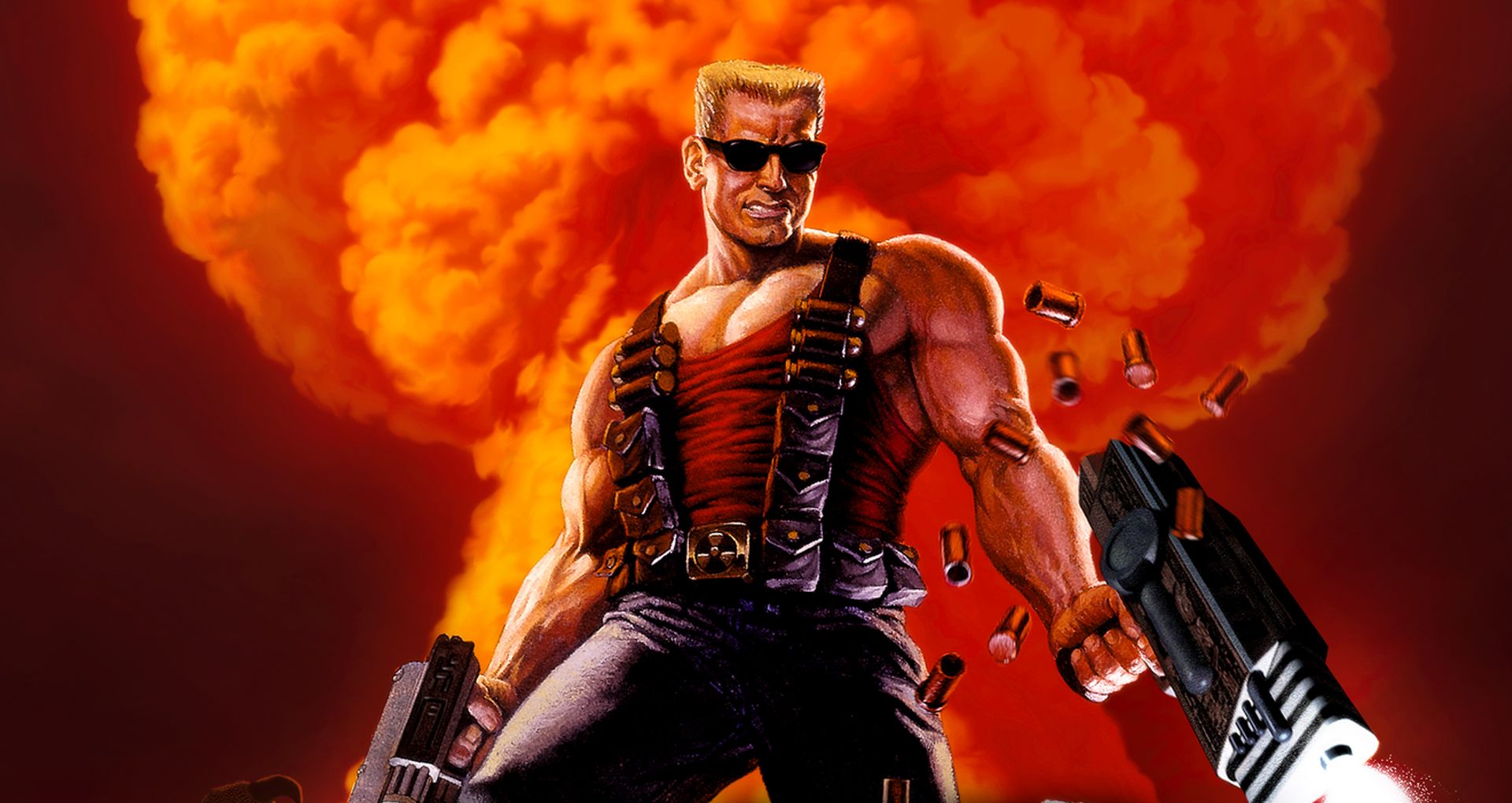
For a short period during the 1990s, PC gaming had something that sat between a traditional expansion and a community mod: the commercial level pack.
These boxed collections were particularly common around early first person shooters such as Duke Nukem 3D and Quake. Some were created with the approval of the original developers, while others simply collected community made maps and sold them commercially. The lack of clear rules eventually led to a legal dispute that helped define how copyright law applies to video game modifications.
Level Packs Became a Small Industry Around Early FPS Games
Commercial level packs could look much like official expansions when sitting on a store shelf.
Doom 2's Master Levels, for example, became recognized as an official expansion, while Quake received officially marketed mission packs such as Scourge of Armagon and Dissolution of Eternity. At the same time, publishers were also selling unofficial collections built around games such as Duke Nukem 3D.
One of the more respected developers in this space was Sunstorm Interactive.
The studio produced several Duke Nukem 3D expansions, including Duke Caribbean: Life's A Beach, Duke It Out in DC and Duke Xtreme. These projects became some of the better known examples of professionally developed third party content for the game.
The scene also became an entry point for developers who later worked on major games.
Charlie Wiederhold began by creating maps for games including Rise of the Triad and Duke Nukem 3D. After working with Sunstorm, he later contributed to projects including Duke Nukem Forever, Borderlands and Call of Duty: Modern Warfare 2.
| Level pack or project | Game | Type |
|---|---|---|
| Duke Caribbean: Life's A Beach | Duke Nukem 3D | Third party commercial pack |
| Duke It Out in DC | Duke Nukem 3D | Third party commercial pack |
| Duke Xtreme | Duke Nukem 3D | Third party commercial pack |
| Wanton Destruction | Shadow Warrior | Mission pack |
| Cryptic Passage | Blood | Mission pack |
| Suckin' Grits on Route 66 | Redneck Rampage | Mission pack |
Wiederhold and designer Robert Travis worked on several of these projects in a period of only about two years, reflecting how quickly publishers were producing additional content for popular shooters at the time.
Better Editing Tools Helped Duke Nukem 3D's Mapping Scene Grow
Part of the reason Duke Nukem 3D attracted so much additional content was its development technology.
Its Build Engine tools made it easier for creators to visualize their work while building levels. Wiederhold explained that older Doom mapping often required creators to save a level and launch the game before properly seeing the environment in three dimensions.
With Duke Nukem 3D, designers could move through their levels inside the editor and immediately see objects and geometry while they worked. 3D Realms also provided some documentation for the tools, further lowering the barrier for creators.
That faster workflow allowed designers to experiment with more ambitious layouts and technical effects while making commercial packs at a rapid pace.
Not Every Publisher Asked Permission
The popularity of user created maps also attracted publishers that took a much less careful approach.
Wizardworks released Duke Assault, a collection containing more than 1,500 community made Duke Nukem 3D maps gathered from the internet.
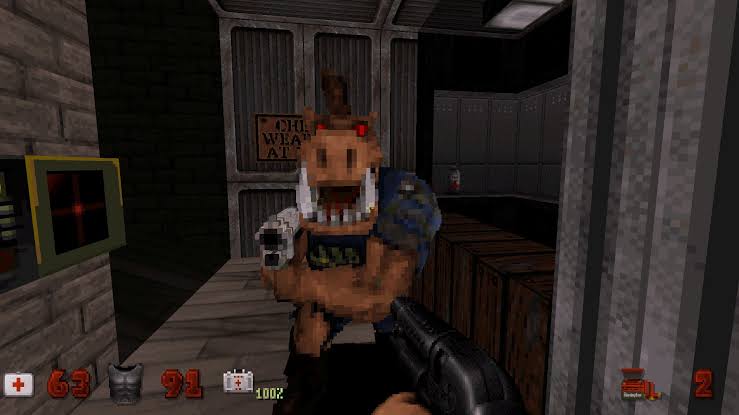
The collection apparently included unfinished levels, early work from inexperienced creators and even maps deliberately designed to kill the player immediately after spawning.
Other unofficial commercial releases followed.
Among the most important was the Nuke It series from Micro Star Software. Like Duke Assault, the packages consisted largely of player created levels that were then sold as commercial products.
The legal uncertainty around these products eventually became impossible to ignore.
Micro Star v. FormGen Changed the Rules
Micro Star sought a declaratory judgment stating that selling its Nuke It collections did not infringe copyright.
FormGen, the publisher of Duke Nukem 3D, responded with a countersuit. It argued that the maps distributed in Nuke It were derivative works based on Duke Nukem 3D.
In 1998, the court ruled in FormGen's favor.
The decision became an important case in US video game copyright law because it established that game modifications can qualify as derivative works. Distributing them without permission from the copyright holder can therefore amount to infringement.
The practical impact was significant.
Unauthorized commercial mission packs quickly disappeared, while additional PC game content became more clearly divided into two groups: officially licensed expansions and unofficial mods distributed with the understanding that publishers could ultimately control how their copyrighted material was used.
The commercial level pack largely vanished, but the creative culture behind it survived.
Modern mapping communities continue producing new levels for classic shooters decades after their original release. Projects ranging from unofficial Quake creations such as Arcane Dimensions to officially supported new episodes follow the same basic impulse that drove designers during the 1990s: taking an existing game and finding new ways to stretch its technology, environments and mechanics.


Discussion (0)
Be the first to comment.