



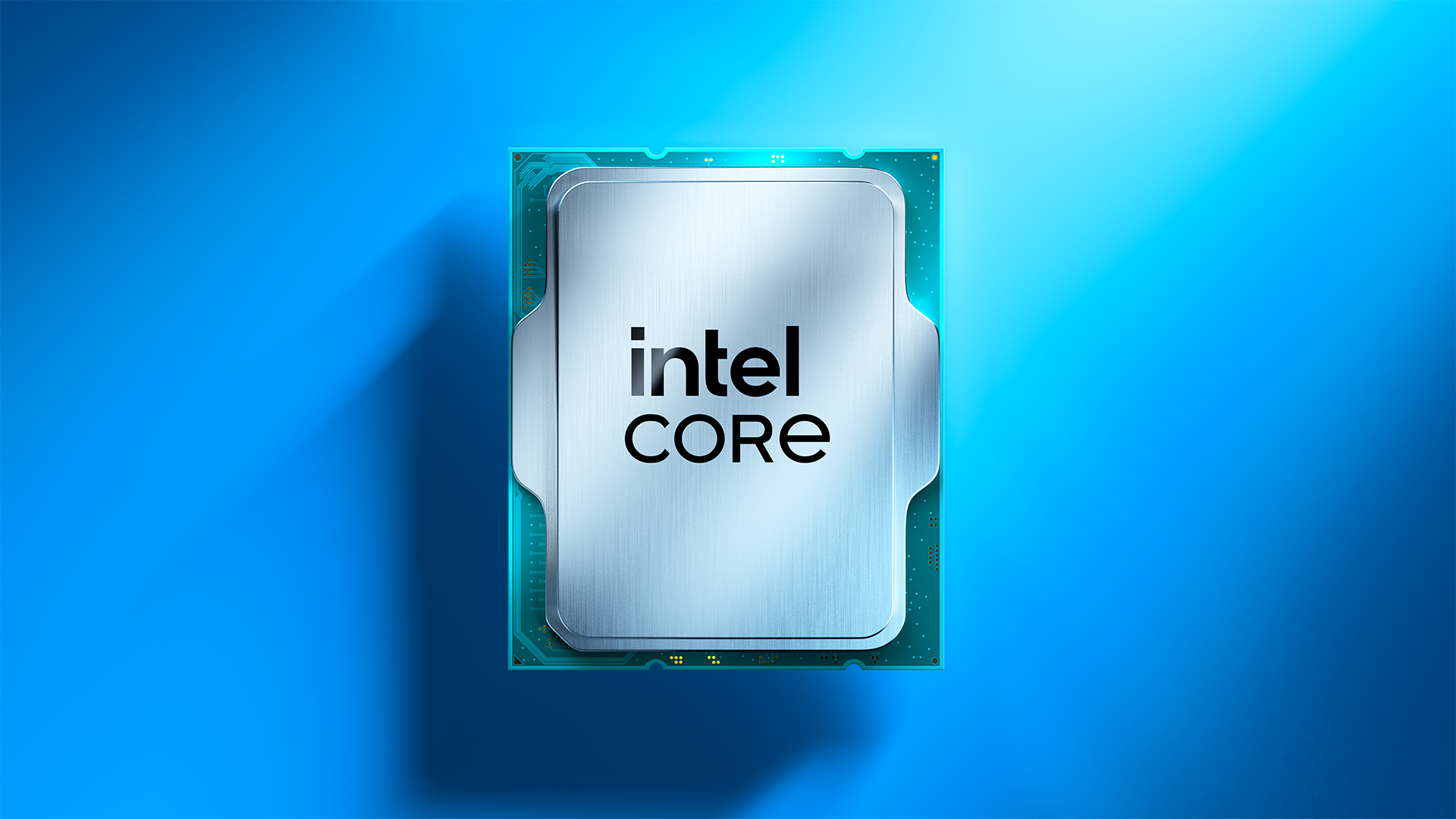
GIGABYTE has announced BIOS support for a new generation of LGA 1700 processors across its B760 and H610 motherboards, providing one of the clearest indications yet that Intel plans to revive the older desktop socket with another CPU family.
The motherboard maker has not named the processors directly, but says new LGA 1700 chips are expected in early 2027 and that supported boards can be prepared for them through a BIOS update.
Previous reports have referred to the upcoming family as Raptor Lake NEXT, which is expected to reuse Intel's established Raptor Lake platform rather than moving to a completely new socket.
Intel has not formally announced the Raptor Lake NEXT branding, so the name and final specifications should still be treated as unconfirmed.
B760 and H610 Motherboards Will Get Support
GIGABYTE says its BIOS update covers the full range of B760 and H610 motherboards.
That includes models designed for both DDR4 and DDR5 memory, giving existing owners another upgrade option without requiring a new motherboard.
| Detail | Current information |
|---|---|
| Socket | LGA 1700 |
| Expected launch | Early 2027 |
| Supported GIGABYTE chipsets | B760 and H610 |
| Memory support | DDR4 and DDR5, depending on motherboard |
| Upgrade requirement | BIOS update |
| Reported CPU family | Raptor Lake NEXT |
| Expected entry models | Core 3 and Core 5 |
| Reported core range | 4 to 20 cores |
| Reported TDP range | 65W to 125W |
The continued support for DDR4 is particularly relevant because newer Intel platforms have moved away from it.
Arrow Lake and the upcoming Nova Lake generation are associated with newer memory platforms, while LGA 1700 remains compatible with both DDR4 and DDR5 depending on the motherboard.
That flexibility could make the platform attractive to buyers trying to limit total system cost.
Existing Owners May Avoid a Full Platform Upgrade
One of the biggest advantages of the new processors could be compatibility with existing hardware.
Owners of supported B760 or H610 boards would only need to install the appropriate BIOS before fitting one of the new CPUs.
That could reduce the cost of upgrading, especially for systems that already have suitable memory, storage and cooling.
Entry level chipsets such as H610 and B760 have also remained popular because they are generally cheaper than premium motherboard platforms.
Pairing them with lower priced processors could give Intel another option for budget desktop systems at a time when DDR5 and newer platform components remain comparatively expensive.
Reported entry models include Core 3 and Core 5 processors with configurations ranging from four to ten cores.
Higher Core Count Models Are Also Expected
The rumored lineup may extend beyond budget processors.
Previous information points to 16 core and 20 core variants, with power ratings ranging from around 65W to 125W.
Those specifications have not yet been confirmed by Intel, and GIGABYTE's announcement does not reveal model names, clock speeds or exact core configurations.
The company only confirms that new LGA 1700 processors are coming and that its compatible boards are being prepared for them.
That distinction is important because motherboard support effectively confirms the arrival of new CPUs for the socket, but not every detail currently associated with the Raptor Lake NEXT name.
LGA 1700 Could Get Another Life in 2027
LGA 1700 originally supported Intel's Alder Lake and Raptor Lake generations, followed by later refresh products.
A further CPU family would extend the life of the socket well beyond its original launch period.
The timing is also notable because the new LGA 1700 processors are expected to arrive around the same period as Intel's Nova Lake S desktop family.
The two platforms may therefore serve different parts of the market, with Nova Lake targeting newer and higher tier systems while refreshed LGA 1700 processors provide a lower cost path using existing motherboards and memory.
For current GIGABYTE B760 and H610 owners, the important development is straightforward: supported boards are being prepared for another processor generation, and a BIOS update should allow those systems to use the new CPUs when they arrive in early 2027.


Discussion (0)
Be the first to comment.