



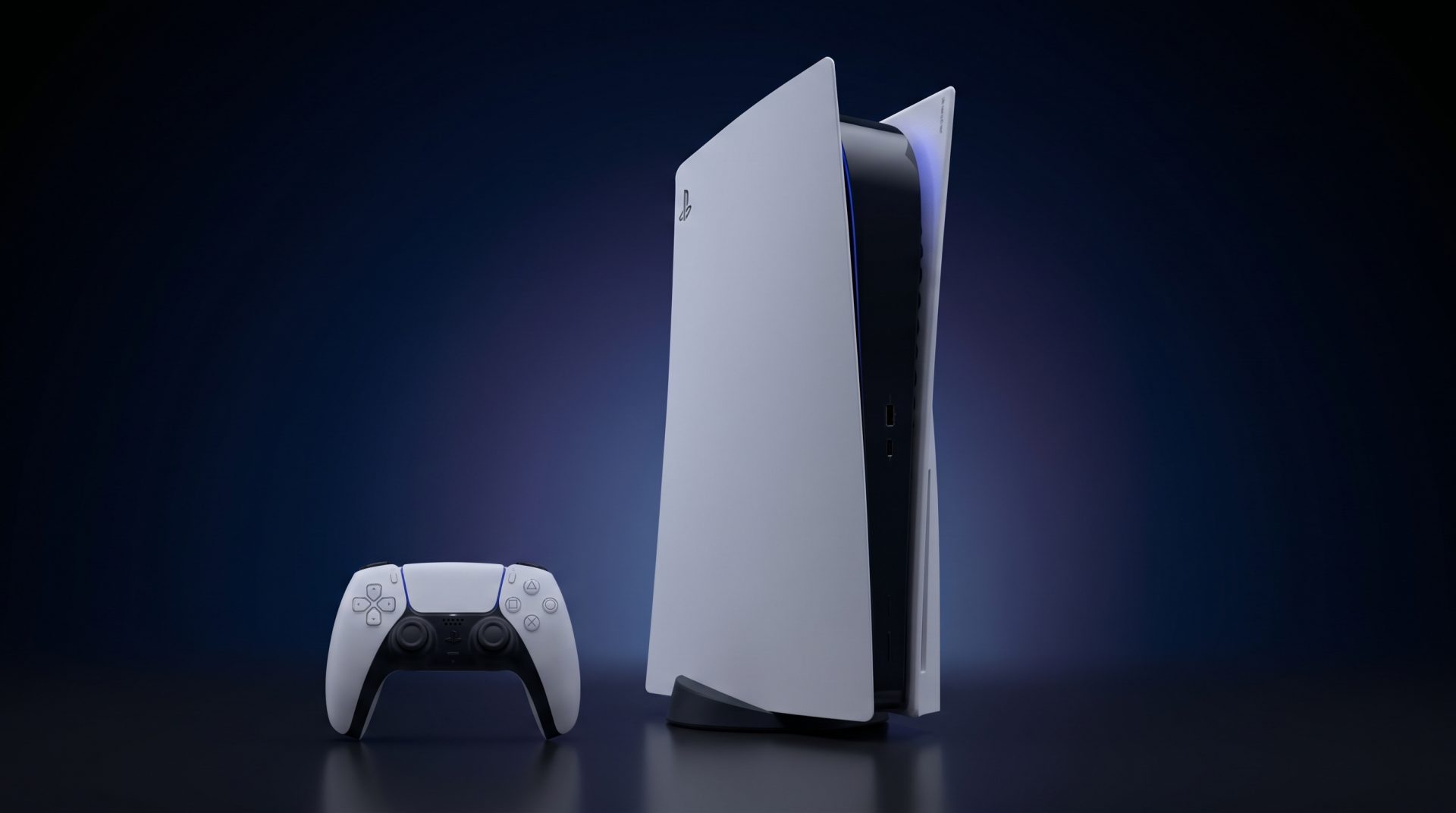
Sony's new Quick Spectral Super Resolution technology for the base PlayStation 5 could be relatively easy to add to recent games, but older titles may face a more complicated path if QSSR requires a newer version of Sony's development kit.
QSSR was recently introduced as an AI based upscaling technology designed to improve image quality on the standard PlayStation 5. It follows the same general goal as PSSR on PlayStation 5 Pro, giving developers a more advanced reconstruction option than conventional temporal upscalers.
Sony graphics engineer Daniel Craig previously indicated that adding QSSR to existing games could require only a small amount of tuning. However, a new technical discussion has raised an important question about whether that applies equally to games built with older PlayStation SDK versions.
Older SDK Support Could Decide How Many Games Get QSSR
The key issue is whether QSSR is available through older versions of Sony's SDK.
If support is limited to a newer SDK, developers wanting to update an older game would first need to move that title to the newer development environment.
That process can be considerably more involved than simply replacing an upscaler.
| QSSR retrofit factor | Potential impact |
|---|---|
| Support in older SDKs | Could make retrofits relatively simple |
| Newer SDK required | Older games may need additional porting work |
| Quality assurance | Extra testing would be required after an SDK upgrade |
| Central system toggle | Appears unlikely |
| Recent games | More likely to receive support |
| Older single player games | Less likely if update costs are high |
Technical analysis suggests this may be one area where QSSR differs from PSSR.
PSSR could be added to games built with older SDK versions, which made retrofitting easier and potentially less expensive for developers.
If QSSR lacks the same compatibility, older games could require significantly more work.
A System Wide QSSR Toggle May Not Be Possible
The difference may also explain why Sony cannot simply provide a universal QSSR option at the console level.
PSSR had a centralized library that helped make integration easier across different projects.
QSSR may not work through the same kind of shared system, meaning each game would need its own implementation.
That would place responsibility on individual developers rather than allowing Sony to enable the technology globally across compatible titles.
For newer games still receiving active development support, that may not present a serious problem.
For games released several years ago, the calculation becomes more difficult.
An SDK Upgrade Can Require Weeks of Work
Updating an older game to a later SDK is not necessarily a quick technical change.
Developers may need to perform additional porting work, resolve compatibility problems and complete another round of quality assurance before releasing an update.
That process could take weeks depending on the project.
For a successful live service game or a major title that still sells strongly, the investment may be worthwhile.
A three or four year old single player game with limited ongoing sales could be much harder to justify.
As a result, QSSR adoption across older PlayStation 5 games may depend less on the quality of the technology itself and more on the development cost required to implement it.
QSSR Could Still Be Important for the Base PS5
Even if older game support ends up being limited, QSSR could still become an important feature for future PlayStation 5 releases.
Base PS5 games increasingly rely on reconstruction techniques to reach higher output resolutions such as 1440p and 4K.
Existing methods such as AMD FSR do not always deliver clean image quality when internal rendering resolutions become particularly low.
A more capable AI based reconstruction system could help developers preserve better image quality while maintaining playable frame rates.
That could become increasingly useful as games begin targeting both PlayStation 5 and future PlayStation hardware.
Sony is expected to face a lengthy period where developers continue supporting the current console generation alongside newer hardware.
QSSR could help reduce the visual gap during that period.
The main uncertainty is now compatibility. Sony has not publicly clarified whether QSSR works across older SDK versions, so the concern about difficult retrofits remains a technical possibility rather than a confirmed limitation.
If a newer SDK is required, QSSR may primarily benefit newer and actively supported games rather than becoming a widespread upgrade for the entire PlayStation 5 library.

Discussion (0)
Be the first to comment.