



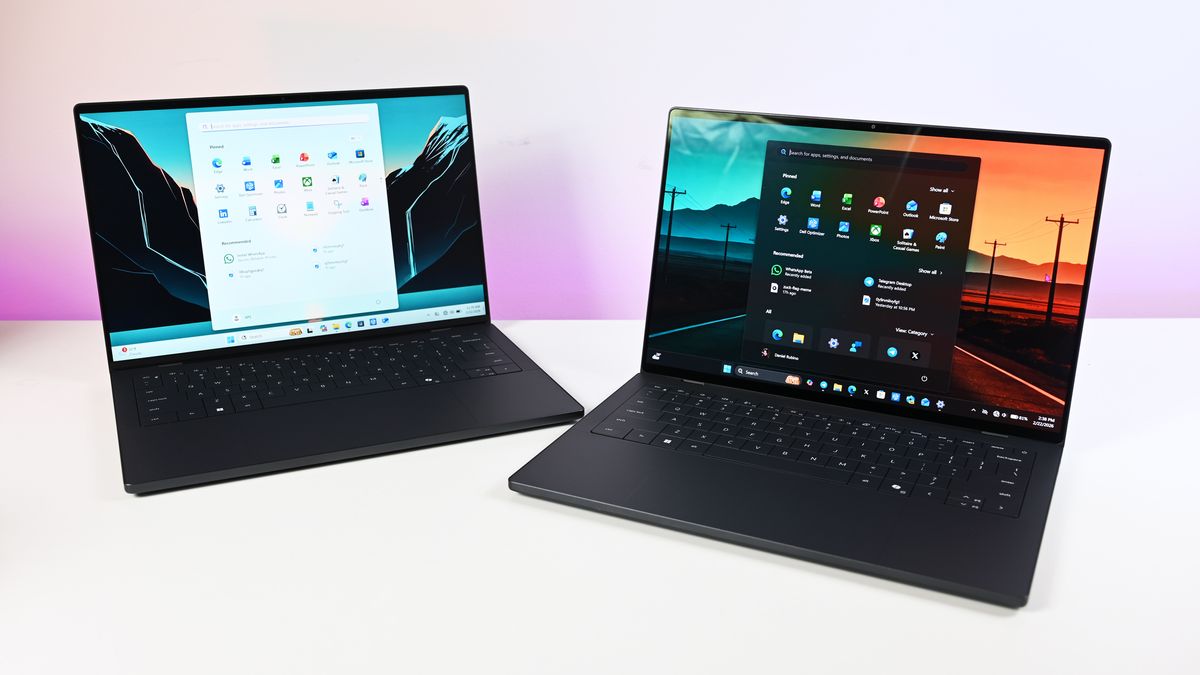
Global PC shipments dropped sharply in the third quarter of 2026 as high component prices, weaker demand and earlier inventory purchases caught up with the market.
Two major analyst firms reported year over year declines of more than 20 percent. IDC estimated a 20.1 percent drop compared with Q3 2025, while Omdia put the decline at 21.2 percent.
The fall was unusually severe because the third quarter typically performs better than the second quarter. Instead, IDC says shipments dropped another 9.1 percent sequentially.
Desktop PCs were hit particularly hard, with Omdia estimating a 23.5 percent decline. Notebook shipments fell 20.6 percent.
Earlier Stockpiling Distorted the First Half of 2026
Both analyst firms point to unusually strong purchasing earlier in the year as a major reason for the Q3 decline.
Vendors and distribution channels increased orders in the first half of 2026 because they expected RAM and storage prices to rise further.
That helped global PC shipments increase 3.2 percent in the first quarter despite already difficult component conditions.
Shipments then fell 4 percent year over year in Q2, but manufacturers and retailers were still building inventories before prices climbed further.
By Q3, that activity had largely ended.
| PC market metric | Q3 2026 result |
|---|---|
| IDC global shipment decline | 20.1% |
| Omdia global shipment decline | 21.2% |
| Sequential decline from Q2 | 9.1% |
| Desktop shipment decline | 23.5% |
| Laptop shipment decline | 20.6% |
| HP decline | About 31% |
| Lenovo decline | About 23% |
| Dell decline | 25% |
| ASUS decline | 8.6% |
| Apple decline | 11.3% |
Channels are now becoming more cautious about carrying too much inventory because high PC prices are reducing consumer demand.
That could lead to discounts in the short term as retailers attempt to move existing stock, but analysts do not expect prices to return to 2025 levels soon.
HP Saw the Largest Decline Among Major PC Brands
HP experienced the steepest fall among the largest PC manufacturers.
IDC reported that HP shipments dropped 30.9 percent compared with Q3 2025. Omdia produced a nearly identical estimate of 31 percent.
Lenovo followed with a 22.6 percent decline according to IDC, while Omdia estimated 22.9 percent.
Dell shipments fell 25 percent, while ASUS performed relatively better with a decline of 8.6 percent.
Apple also lost momentum after stronger performance earlier in the year. Its PC shipments dropped 11.3 percent in Q3 despite growth in the previous quarter following the launch of the MacBook Neo.
Other PC brands collectively declined around 14 percent.
RAM and Storage Costs Are Still Keeping Prices High
The shipment decline does not necessarily mean PC buyers will immediately see significantly cheaper laptops and desktops.
Manufacturers and retailers purchased much of their current inventory when memory and storage components were already expensive.
That makes aggressive price reductions difficult because companies would need to accept lower margins or losses to clear stock.
RAM and storage prices also remain elevated, meaning new PCs entering the channel are still costly to manufacture.
Analysts warn that the market could weaken further before conditions improve.
Worsening economic conditions may create additional pressure over the next several quarters, particularly if consumers continue delaying upgrades because of high prices.
Buyers Could See Discounts, but the Timing Is Uncertain
The inventory situation creates an unusual problem for anyone considering a PC purchase.
Retailers may eventually decide that they need to reduce prices to clear unsold systems, creating opportunities for discounts during the fourth quarter.
However, there is no guarantee that those promotions will bring pricing back to previous levels.
Waiting also carries a risk because continued increases in memory and storage costs could make future systems even more expensive.
The PC market therefore enters Q4 2026 with weaker shipments, high inventories and component costs that remain difficult.
The next quarter will provide a clearer indication of whether retailers can stimulate demand through promotions or whether the market will continue declining before a meaningful recovery begins.

Discussion (0)
Be the first to comment.