



High bandwidth memory prices could double in 2027 as AI demand continues to reshape the semiconductor market, according to new estimates from financial firm Aletheia Capital. The firm believes memory will become one of the most important parts of AI hardware systems, with DRAM and HBM prices expected to rise sharply over the next several quarters.
The forecast comes as memory makers such as Micron, SK hynix, and Samsung continue to benefit from the AI infrastructure boom. AI servers need large amounts of fast memory, and limited production capacity has pushed prices higher. Aletheia now expects those pressures to keep building into 2027.
This matters beyond memory makers. Higher DRAM and HBM prices can raise the cost of AI servers, data center systems, and next generation AI racks. As AI companies race to build more powerful systems, memory is becoming less of a background component and more of a major cost driver.
Why memory prices are rising so quickly
AI chips rely heavily on memory bandwidth and capacity. A powerful accelerator is only useful if it can access data fast enough. That is why HBM has become essential for advanced AI GPUs and server systems.
Aletheia expects server DRAM average selling prices to rise 30 percent in the third quarter of calendar year 2026. That is a much higher forecast than its earlier estimate of a 10 to 15 percent increase. The firm also expects another 10 to 15 percent rise in the fourth quarter.
Retail memory prices are already showing major increases. DDR5 prices in Germany reportedly jumped by triple digit percentages year over year, with some kits seeing large month to month gains in June. That reflects a broader squeeze in memory supply as AI demand pulls capacity toward higher value server and HBM products.
HBM could become the most valuable part of AI hardware
Aletheia says HBM average selling prices could double annually in 2027. If that happens, memory could account for more than 70 percent of the combined component value inside some AI hardware systems, compared with the mid 40 percent range in 2025.
That is a major shift. AI discussions often focus on GPUs, accelerators, and custom chips, but memory may become just as important from a cost and supply perspective.
| Area | Expected impact |
|---|---|
| Server DRAM | 30 percent price rise expected in Q3 2026 |
| Q4 DRAM pricing | Another 10 to 15 percent rise expected |
| HBM pricing | Could double annually in 2027 |
| AI system costs | Memory may become the largest value component |
| Micron outlook | Aletheia expects major earnings growth |
| NVIDIA Vera rack | Higher memory prices could push rack costs sharply upward |
Micron could be one of the biggest winners
Aletheia’s note points to Micron as a major beneficiary of the memory price cycle. The firm expects Micron’s earnings per share to rise sharply in calendar 2027, followed by further growth in 2028.
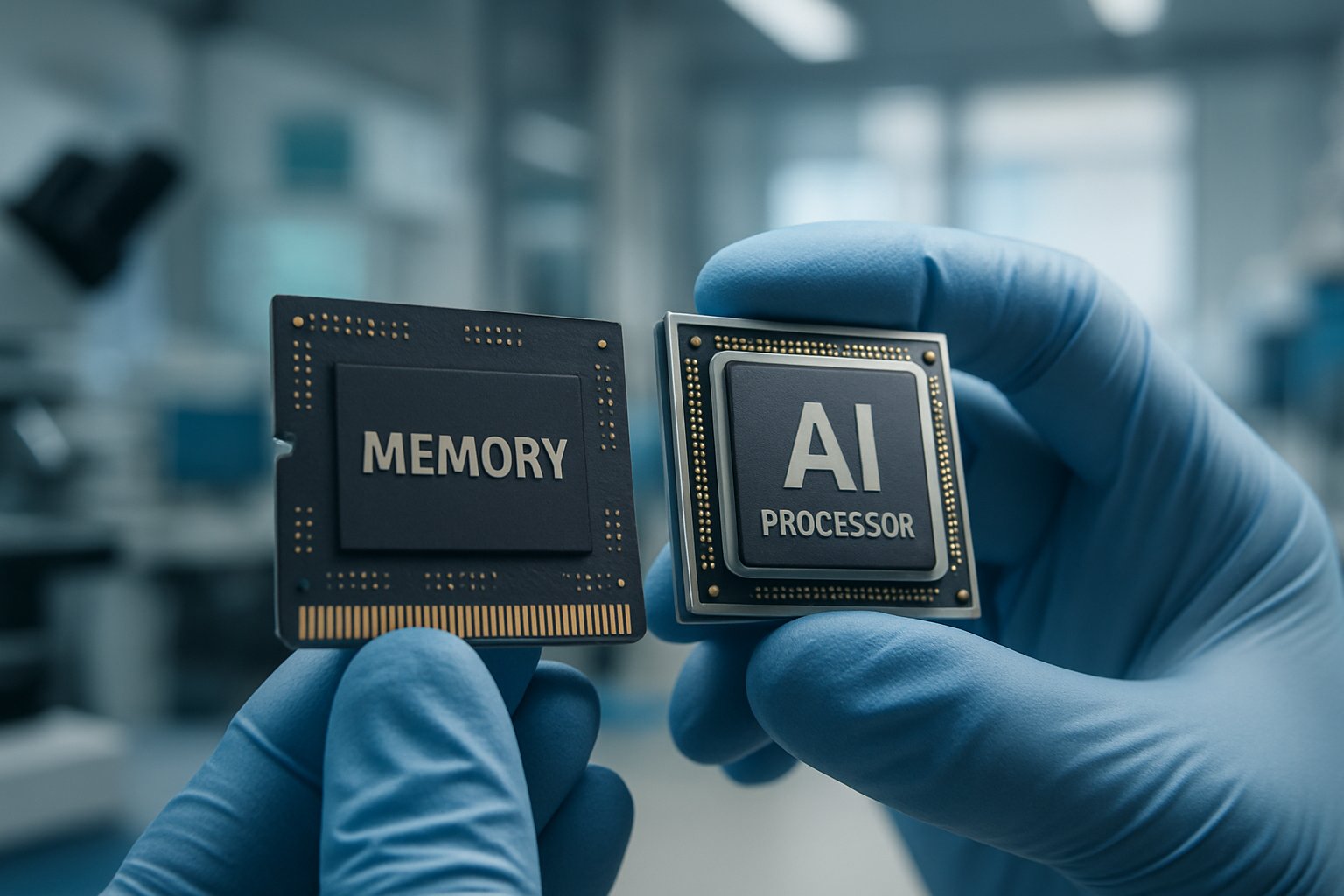
Micron has already been helped by strong DRAM and HBM demand. If prices continue rising, the company could see significantly higher margins and cash flow. SK hynix and Samsung are also likely to benefit, since all three companies are major players in advanced memory production.
The challenge is that memory supply cannot expand instantly. HBM is complex to manufacture, and AI demand is growing faster than many traditional markets. That creates a favorable pricing environment for memory makers, but a difficult one for AI infrastructure buyers.
Higher memory costs could make AI racks more expensive
The cost impact could be serious for companies buying AI systems. Aletheia estimates that NVIDIA’s Vera CPU rack could cost as much as $26 million if memory and advanced assembly costs rise as expected.
That figure shows how AI infrastructure costs are moving beyond the chip itself. Packaging, memory, power delivery, and system assembly are all becoming critical cost factors.
For cloud providers and AI labs, this could make capacity planning more difficult. Even if they can secure enough GPUs or CPUs, memory shortages and price hikes may limit how quickly they can scale.
AI demand is changing the whole memory market
The broader concern is that AI demand may keep pulling memory supply away from consumer PCs and other markets. If manufacturers prioritize high margin HBM and server DRAM, prices for desktop and laptop memory could stay elevated too.
That can affect everything from gaming PCs to workstations and budget laptops. Consumers may not buy HBM directly, but they can still feel the impact when DDR5 prices rise or PC makers face higher component costs.
Aletheia’s forecast shows how central memory has become to the AI buildout. GPUs still get most of the attention, but the next stage of AI hardware may be shaped just as much by DRAM and HBM supply. If prices continue rising into 2027, memory makers could see major gains while AI system buyers face much higher costs.



Discussion (0)
Be the first to comment.