



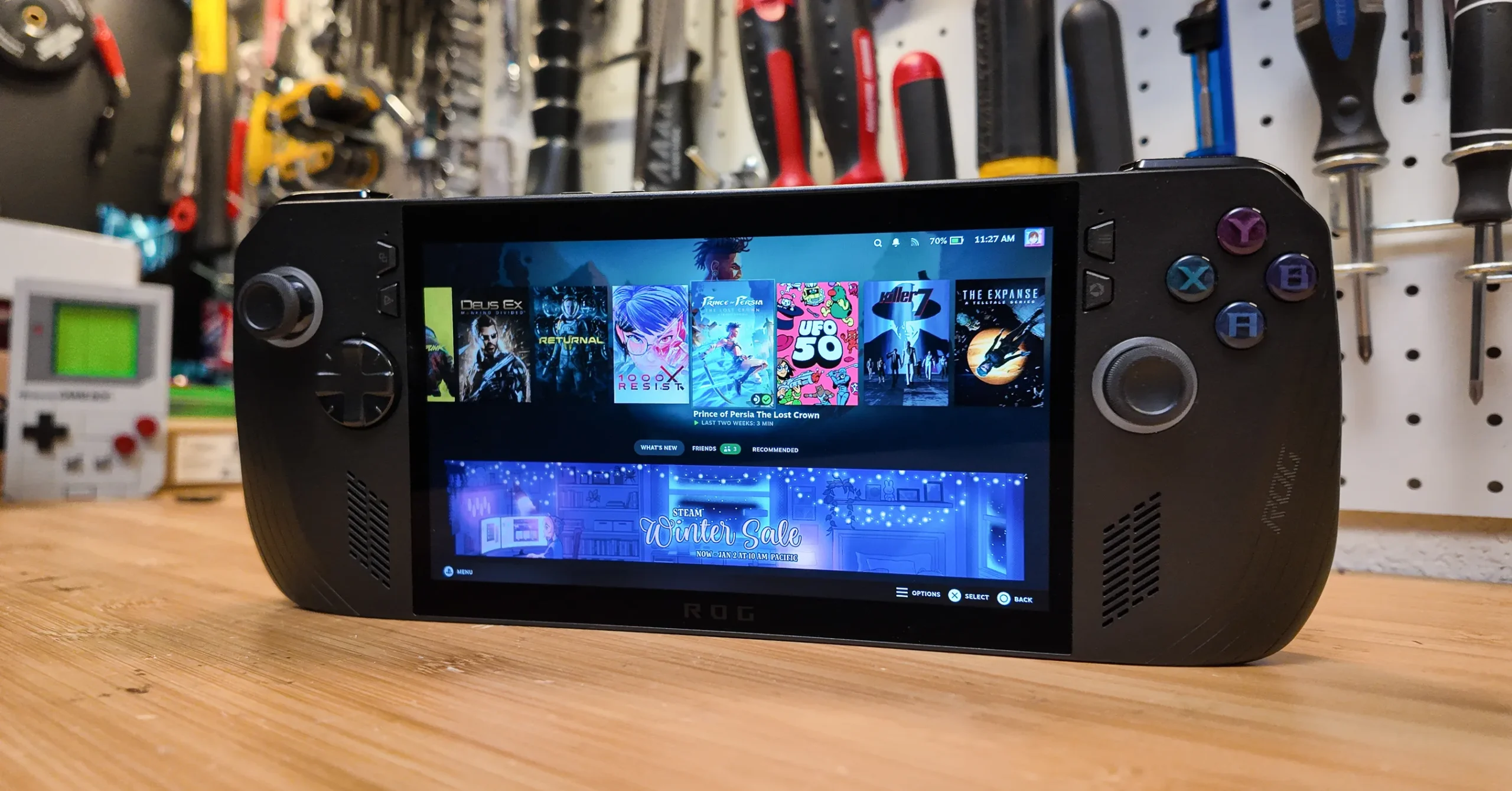
SteamOS is starting to reach Intel based gaming handhelds, with beta builds now appearing for MSI’s Claw series. The move could be important for the handheld PC market because SteamOS has mostly been tied to Valve’s Steam Deck and other AMD based devices until now.
Valve’s Linux based operating system is already available on some non Steam Deck hardware, including AMD powered handhelds from brands such as ASUS and Lenovo. The new development is that MSI’s Intel based Claw devices are now getting early SteamOS support. That matters because Intel is preparing a stronger push into gaming handhelds with its Arc G3 platform.
The early SteamOS builds for MSI Claw hardware are still rough. Reports point to controller issues, missing fine hardware controls, and performance that currently trails Windows 11 on the same device. Even so, the beta shows that Valve is willing to support Intel handhelds, not only AMD based systems.
Why SteamOS on Intel handhelds matters
The Steam Deck helped turn handheld PC gaming into a major category, but most devices inspired by it have used AMD chips. AMD’s Ryzen Z series has been the main choice for brands building handheld PCs because it offers solid integrated graphics and good power efficiency.
Intel wants a larger role in this space. Its Arc G3 graphics platform, based on newer Core Ultra designs, is expected to appear in handhelds from MSI, Acer, and OneXPlayer. These devices were shown running Windows 11, which remains the default operating system for most PC hardware.
SteamOS support gives those devices another path. If Valve can make SteamOS stable on Intel hardware, players could have more choice when buying a handheld. They could use Windows for broader compatibility or SteamOS for a more console like gaming interface.
Early performance still favors Windows on MSI Claw
The current SteamOS beta on the MSI Claw 8 AI Plus does not yet outperform Windows 11. That is different from what has often happened on AMD based handhelds, where SteamOS can deliver slightly better gaming performance than Windows in some cases.
That gap is not surprising. The Intel SteamOS builds are still in beta, and hardware support takes time. Drivers, controller mapping, power profiles, frame rate tools, and sleep behavior all matter on a handheld. A desktop operating system can run games, but a handheld gaming system needs deeper tuning.
| Area | Current situation |
|---|---|
| Supported Intel handheld | MSI Claw series beta builds |
| Operating system status | Early beta |
| Main issues | Controller bugs and limited hardware controls |
| Performance | Behind Windows 11 on tested Intel hardware |
| Potential benefit | More console like handheld experience |
| Bigger target | Future Intel Arc G3 handhelds |
Intel Arc G3 could change handheld competition
Intel’s upcoming Arc G3 chips are meant to challenge AMD in portable gaming PCs. If early Computex demos translate into strong retail products, handheld buyers may soon have more serious Intel options.
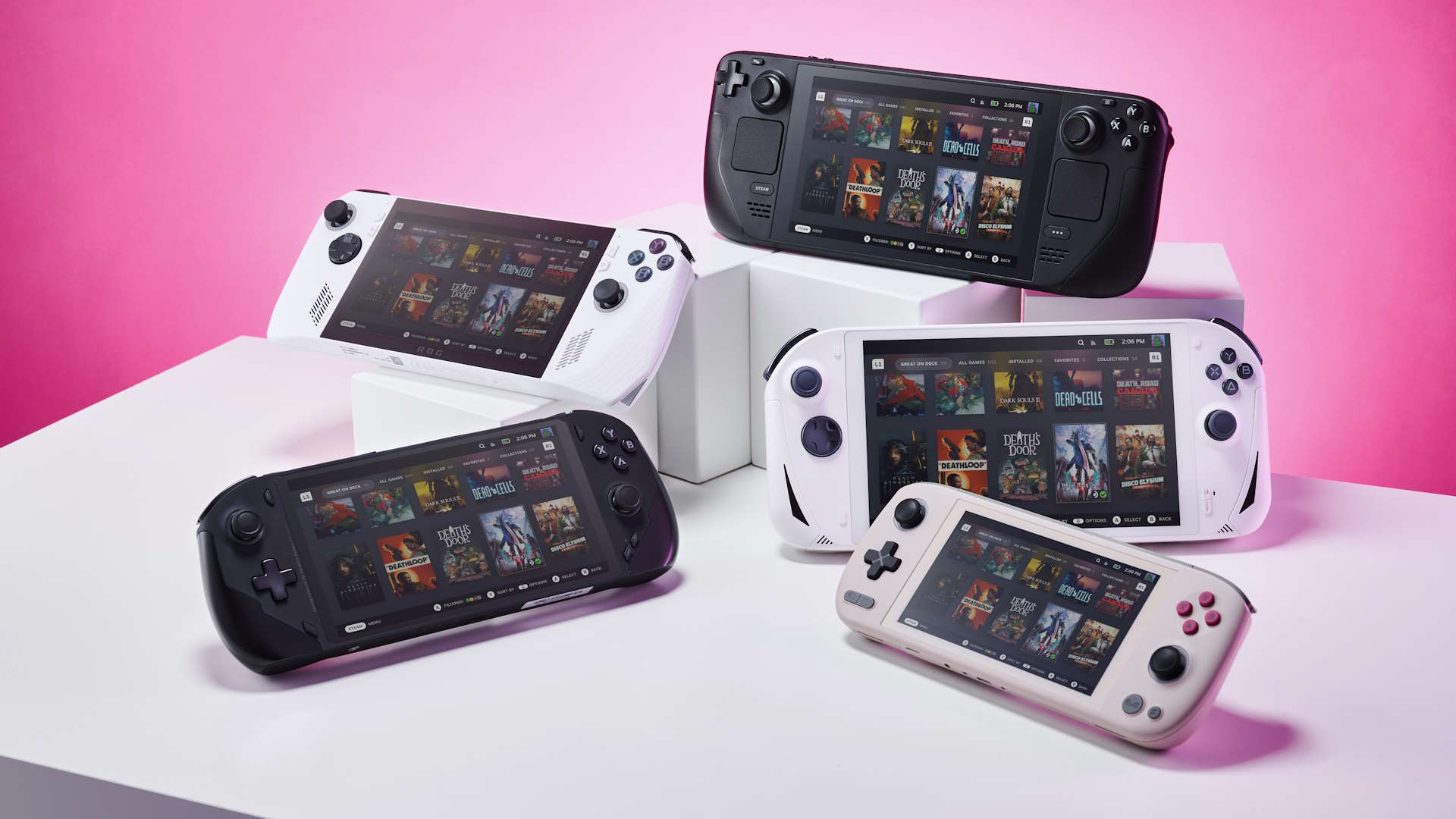
That could also put pressure on Microsoft. Windows 11 is powerful, but it can feel heavy on a handheld device. Microsoft is working on a more focused Xbox branded interface, but SteamOS already has a strong reputation among Steam Deck owners because it is built around gaming first.
If Valve supports Arc G3 handhelds near launch, SteamOS could become a real alternative for Intel hardware. That would be a win for Valve because Steam is already the main PC game store for many players. A wider SteamOS rollout would make Valve even more important in the PC gaming ecosystem.
SteamOS still has limits that Windows does not
SteamOS is not perfect for every game. Because it is Linux based, some games with deep kernel level anti cheat systems still have problems. That means Windows will remain the safer choice for players who want the broadest compatibility.
Windows also gives access to more launchers, productivity apps, modding tools, and non Steam software. For people who use a handheld as a general PC, Windows still has clear advantages.
But for players who mainly want a handheld for Steam games, SteamOS can feel cleaner and easier. It boots into a gaming focused interface, handles controls more naturally, and avoids much of the desktop clutter that makes Windows feel awkward on a small screen.
Valve could turn SteamOS into the default handheld choice
Valve’s decision to offer SteamOS builds for more devices could shape the next stage of handheld PC gaming. The Steam Deck proved that a focused operating system matters as much as hardware. Now Valve appears to be expanding that idea beyond its own device.
The Intel beta is not ready to replace Windows yet, but it is a strong signal. If Valve can improve performance, fix controller issues, and support Arc G3 handhelds quickly, SteamOS could become the preferred operating system for many handheld gaming PCs.
That would not remove Windows from the market, but it would give players a serious alternative. For Intel, MSI, Acer, and other device makers, that may be useful rather than threatening. Better SteamOS support could make their hardware more attractive to players who want a simpler gaming experience.



Discussion (0)
Be the first to comment.