



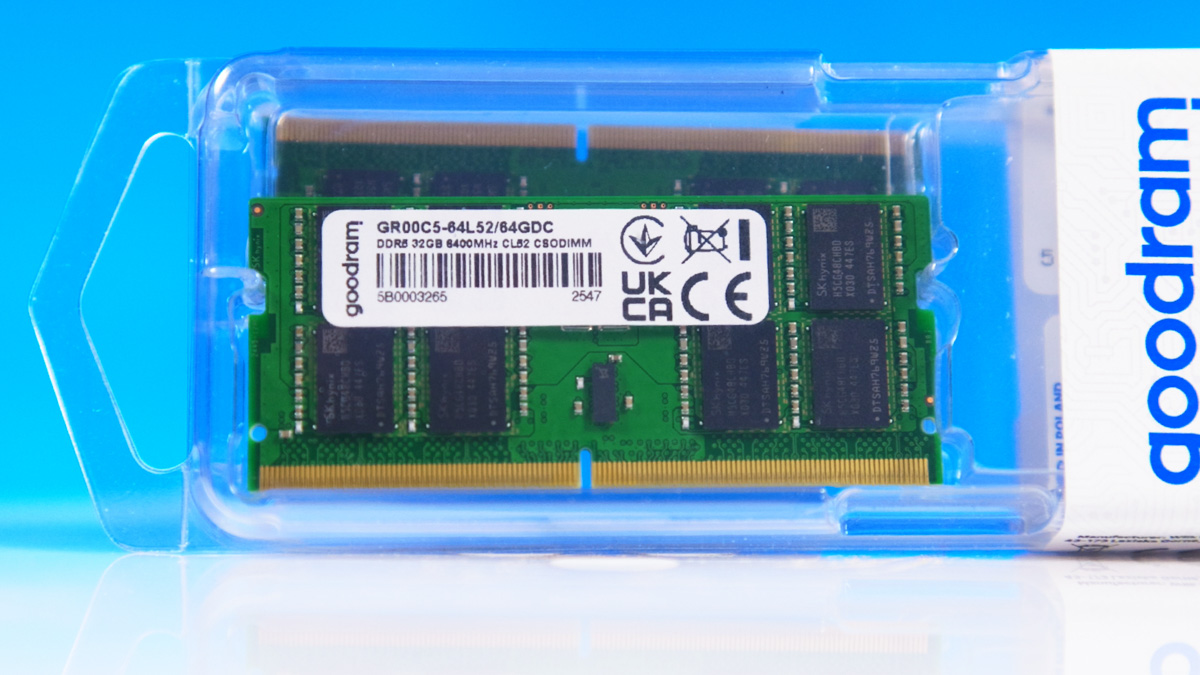
Goodram is preparing new DDR4 memory modules that start at just 4GB, a capacity that has become increasingly rare in modern desktop PC builds. The company’s upcoming Rival DDR4 Radiant lineup will also include 8GB, 16GB, and 32GB options, but the return of 4GB sticks reflects how sharply the memory market has changed.
For years, 16GB of RAM was widely seen as the practical starting point for a new Windows PC, while 32GB became a common target for gaming, creative work, and heavier multitasking. Now, rising demand for high capacity memory in AI servers and data centers is making larger DRAM kits more expensive and harder to find.
The new Goodram modules are not likely to appeal to people building powerful gaming PCs. Instead, they may provide a lower cost upgrade option for older desktops, basic office machines, home media PCs, and systems that still rely on DDR4 platforms.
The New DDR4 Range Starts at an Unusual 4GB Capacity
Goodram’s Rival DDR4 Radiant family is expected to include single modules with 4GB, 8GB, 16GB, and 32GB capacities. The modules are rated for speeds of up to 3200 MT/s, with CL16 or CL18 timings depending on the version.
They will reportedly run at between 1.2V and 1.35V and use black circuit boards with green or red heat spreaders. The specifications are not unusual for DDR4, but the 4GB option stands out because such small modules have largely disappeared from the enthusiast memory market.
| Capacity | Likely Best Use |
|---|---|
| 4GB | Older PCs, simple office systems, basic upgrades |
| 8GB | Entry level Windows PCs and light use |
| 16GB | General productivity and everyday multitasking |
| 32GB | Gaming, creative work, and demanding applications |
A 4GB module may be useful for repairing or upgrading an older machine that only needs a small amount of extra memory. It may also help people running older DDR4 systems with limited budgets, especially if they need to replace a failed stick rather than build a new PC.
AI Demand Is Putting More Pressure on Consumer Memory Supply
The wider issue is that memory makers are focusing more heavily on high margin products for AI systems, enterprise servers, and data centers. Those customers need huge volumes of DRAM and high bandwidth memory, often in far larger quantities than consumer PC buyers.
That demand can reduce the supply available for desktop RAM, laptop memory, and standard DDR5 kits. Higher capacity modules are still available, but prices can make modern upgrades difficult for people building their own PCs.
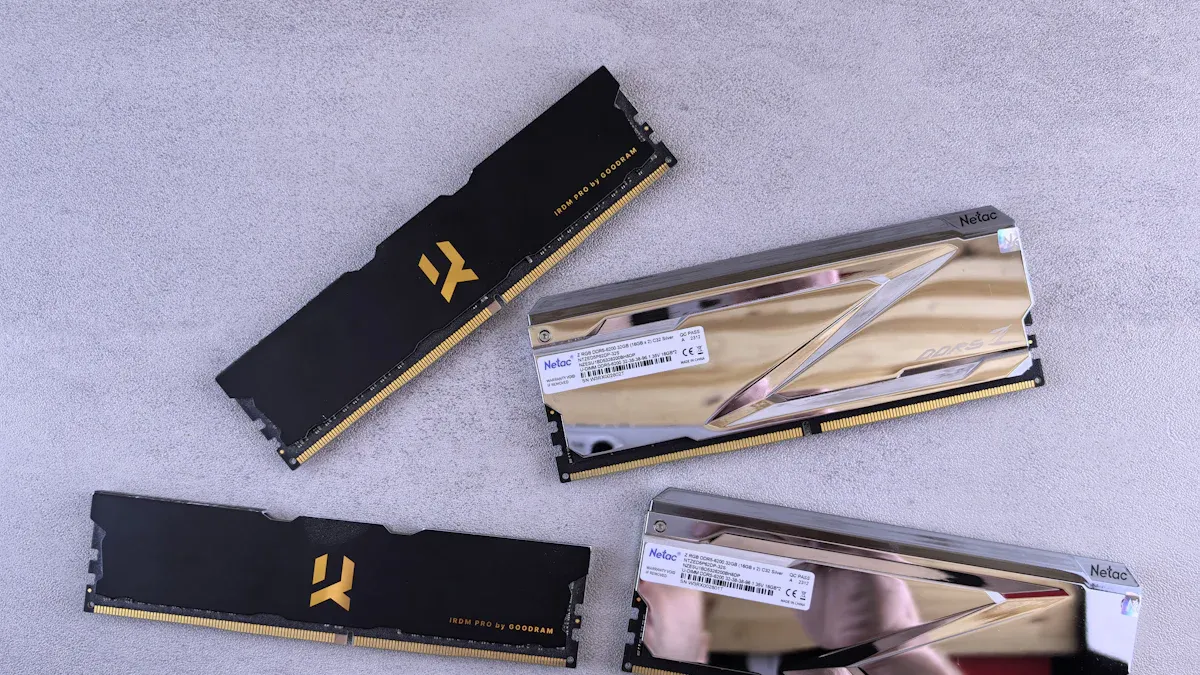
DDR4 remains important because millions of systems still use platforms based on older Intel and AMD processors. Replacing an entire motherboard, CPU, and memory setup simply to move to DDR5 can be expensive, so affordable DDR4 options still have a place.
Low Capacity RAM Is Not a Good Long Term Answer for New PCs
While 4GB DDR4 modules may be useful in specific cases, they are not suitable for a modern gaming PC or a new productivity system. Windows 11 can run with limited memory, but 4GB leaves little room for web browsers, background apps, security tools, and multitasking.
Even 8GB can feel restrictive when several browser tabs, messaging apps, cloud storage tools, or media software are open. For a new PC, 16GB remains the safer minimum, while 32GB offers more room for gaming and demanding tasks.
Goodram’s decision to add 4GB DDR4 back into its lineup does not mean low capacity memory is suddenly in high demand. It is better seen as a sign that the consumer memory market is adapting to higher prices and uncertain supply.
For people keeping older DDR4 PCs alive, the new modules could provide useful options. For anyone building a new system, however, the return of 4GB RAM is a reminder that buying enough memory now may be wiser than waiting for prices to improve.



Discussion (0)
Be the first to comment.