




Goldman Sachs expects agentic AI to become one of the biggest drivers of AI compute demand over the next decade.
The bank says global token consumption could grow 24 times by 2030 compared to 2026 levels. By 2040, that figure could rise to 55 times as AI agents become more common across business and software systems.
Agentic AI refers to AI systems that can work through tasks with less direct human input. These agents can monitor information, use tools, check data, write code, support legal work, manage supply chains, and run machine to machine interactions. Because they can operate constantly, their compute needs could be much higher than normal chatbot use.
Goldman Sachs expects AI queries to grow from 5 billion in 2025 to 23 billion by 2030. It also expects agentic AI to make up around 30 percent of those queries by then.
Here is the main forecast:
| Area | Goldman Sachs forecast |
|---|---|
| AI queries | 5 billion in 2025 to 23 billion by 2030 |
| Token consumption | 24 times higher by 2030 than 2026 |
| Long term token growth | 55 times higher by 2040 |
| Agentic AI share | Around 30 percent of AI queries by 2030 |
| Main use cases | Supply chain, coding, legal work, monitoring, automation |
| Key risk | Poor data quality wasting compute resources |
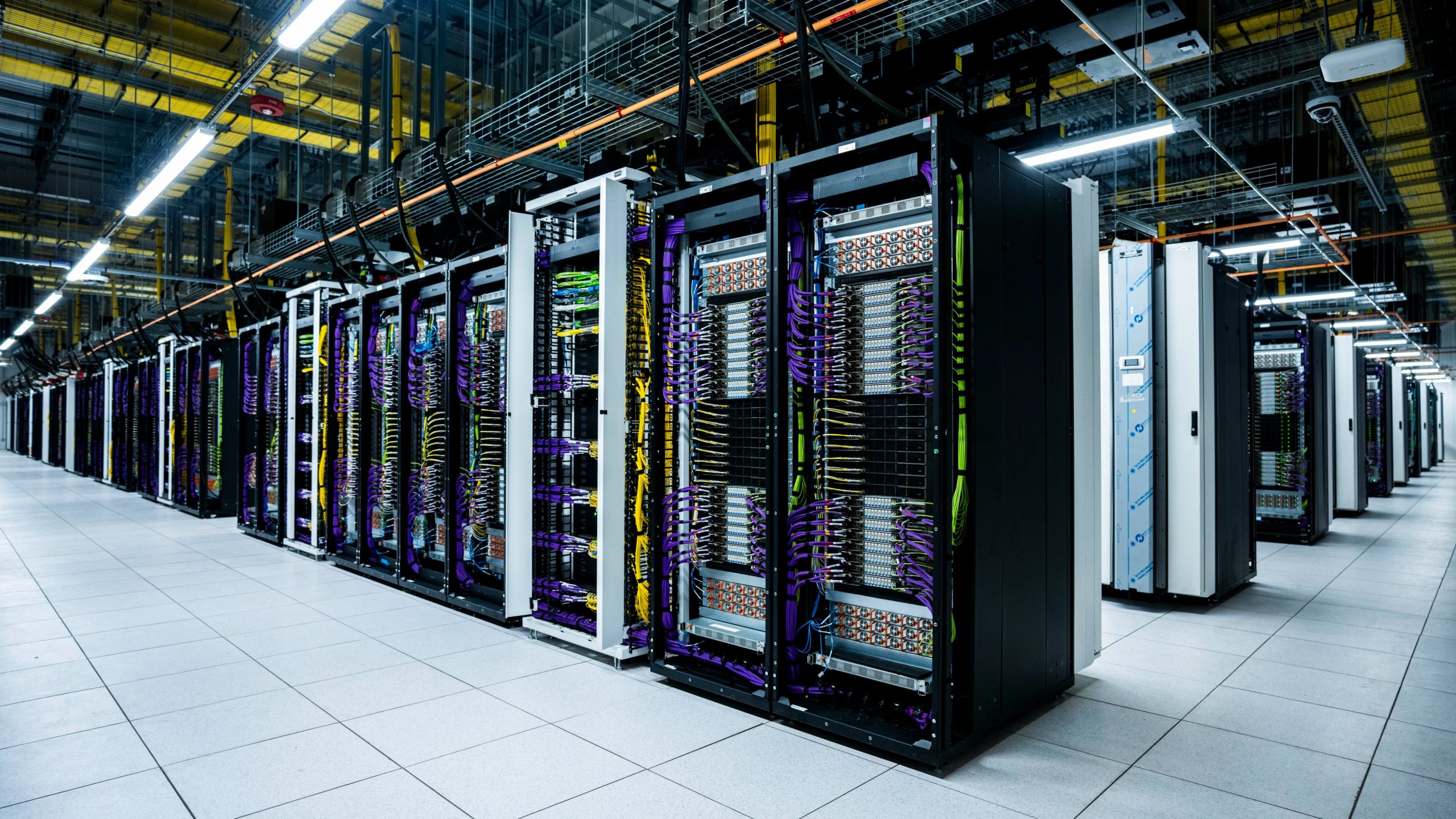
The report also says agentic AI could help justify the huge amount of spending on AI data centers. If token usage grows quickly enough, cloud providers and AI companies may be able to earn stronger returns from the infrastructure they are building now.
Falling compute costs are another part of the argument. Goldman Sachs says newer chips from NVIDIA, AMD, and custom AI hardware such as Trainium are helping reduce the cost of token computation by around 60 to 70 percent each year. That could help AI providers and cloud companies move toward positive gross margins.
Still, the bank also warns that bad data could weaken the business case. If AI agents consume huge amounts of compute while working with poor quality information, companies may spend heavily without getting useful results.
That warning matters because agentic AI is still early in enterprise use. Goldman Sachs says fewer than a quarter of companies are using it today, and even those that are using it have not fully moved to autonomous workflows.
The larger message is clear. Agentic AI could become a major reason why demand for CPUs, GPUs, memory, networking, and cloud infrastructure keeps rising. But the value will depend on whether companies can give these systems clean data, useful goals, and enough control to make the compute spending worthwhile.


Discussion (0)
Be the first to comment.