



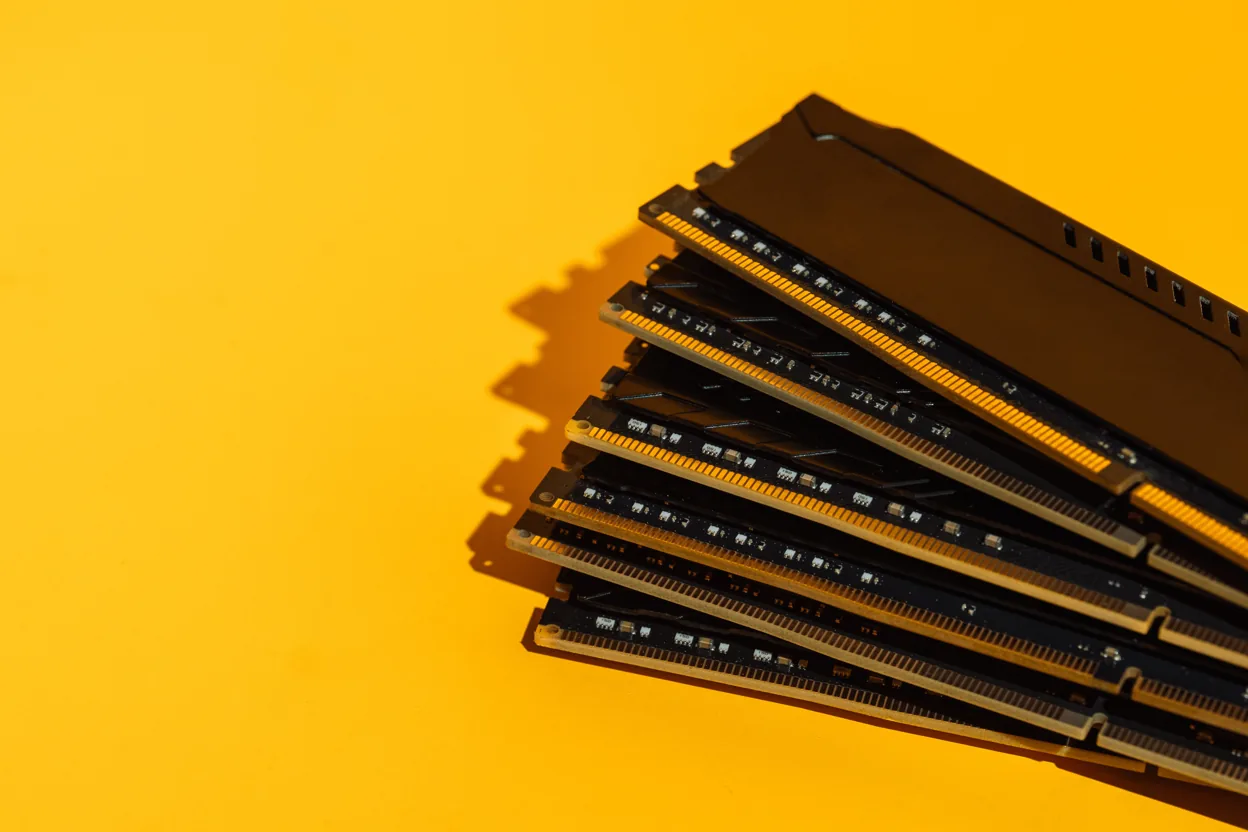
Fake DDR5 memory modules are now appearing in Asian PC markets, creating another risk for buyers at a time when RAM prices are already high.
The issue affects both online listings and physical stores. Some of these memory sticks look normal at first glance, but closer inspection shows fake DRAM chips, incorrect labels, and even plastic pieces used in place of real memory packages.
One reported case involved a 16GB DDR5 SO DIMM module labeled as Samsung. The stick turned out to be fake, with suspicious gold fingers, rounded edges, and memory chips marked as SK hynix despite the Samsung label. In some cases, the chips may not be real DRAM at all.
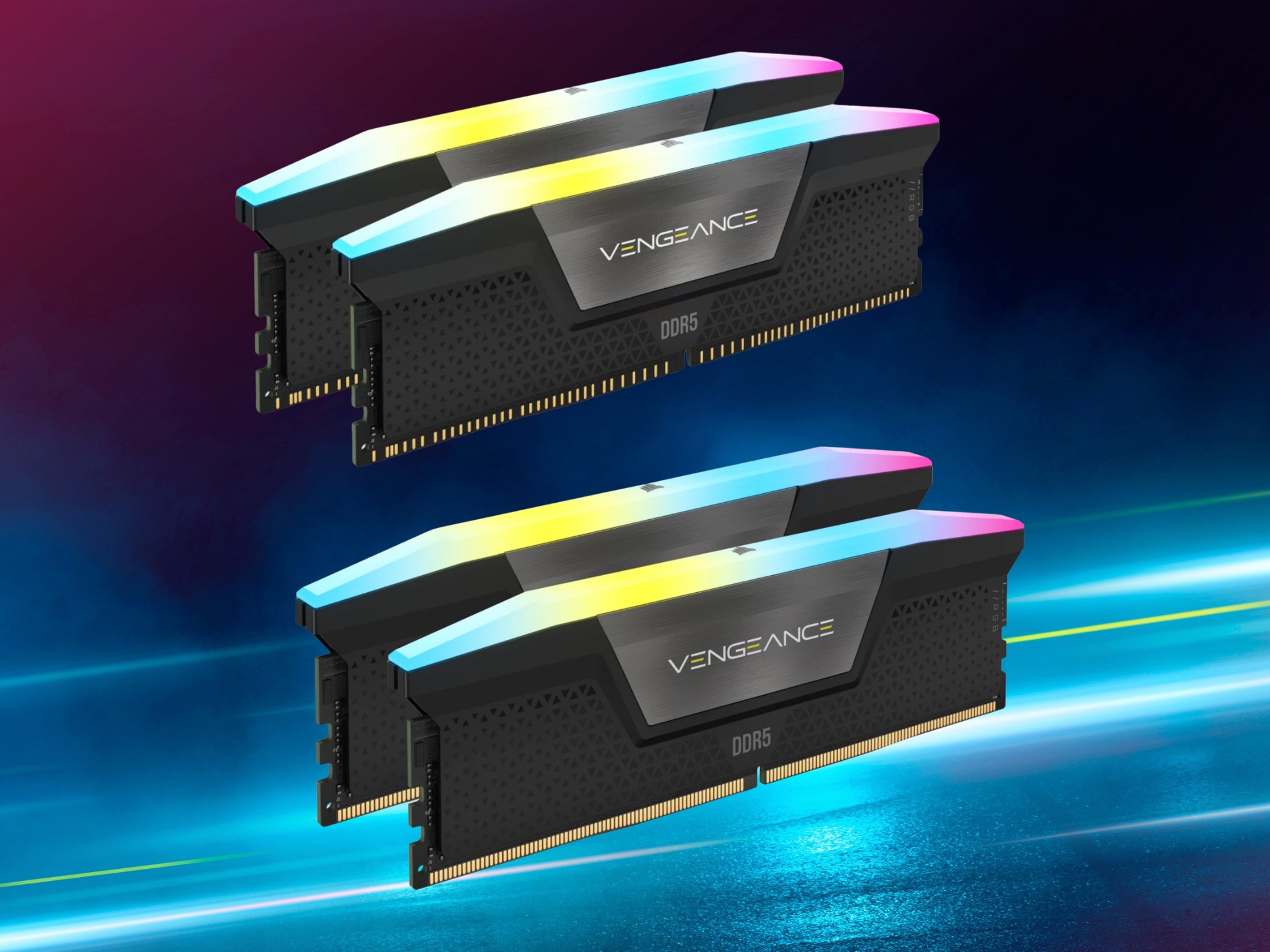
That is easier to spot on bare laptop SO DIMM modules because the chips are visible. Desktop DDR5 can be harder to check because many modules use heatspreaders that hide the actual memory chips. A buyer may not know something is wrong until the system fails to boot.
Some fake modules are being sold through online marketplaces such as Yahoo Japan. One listing reportedly priced a 16GB DDR5 SO DIMM at 12,845 yen, or about $85, while also describing it as a junk item with unconfirmed functionality and no returns.
Here is what buyers should watch for:
| Warning sign | Why it matters |
|---|---|
| Brand label does not match chip markings | Could indicate a fake or rebuilt module |
| Strange gold contacts | May show poor manufacturing or a counterfeit PCB |
| Rounded or unusual PCB edges | Can suggest the module is not from a real production line |
| Very cheap pricing | Scammers often use tempting prices to move fake parts |
| No return policy | A major red flag for expensive PC hardware |
| Seller calls it “junk” or “untested” | You may have no protection if it does not work |
The timing is not surprising. Memory prices are climbing because demand for DRAM and HBM is rising, especially from AI data centers. When prices rise quickly, scammers often move in with fake or stripped hardware.
This is not limited to RAM. Fake GPUs and CPUs have also appeared in recent years, with some sellers moving empty or stripped PCBs as working hardware. Now memory is becoming another target.
The safest approach is to buy DDR5 from trusted retailers, check seller reviews, avoid listings with no returns, and be careful with prices that look too good to be true. After buying, verify the module in BIOS or with system tools, and check whether the reported brand, capacity, speed, and timings match what you paid for.
For PC builders, the message is simple. DDR5 is expensive right now, but saving money through unknown sellers can cost more in the end. A fake RAM stick will not only waste your money, it can also make troubleshooting a new build much harder.


Discussion (0)
Be the first to comment.