



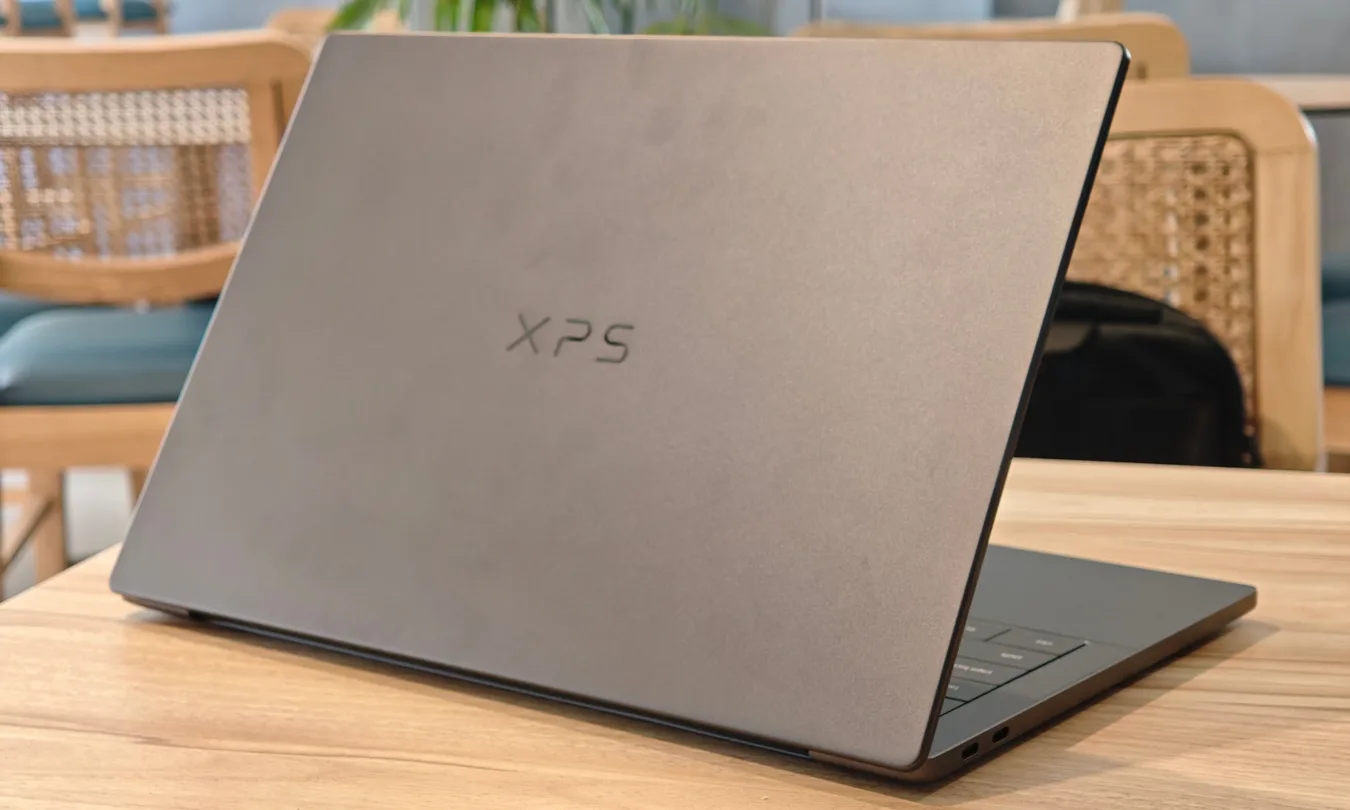
Dell has introduced the new 14S, a lightweight 14 inch laptop that combines a higher resolution display option with Intel Core Series 3 processors and up to 1TB of SSD storage.
The laptop is aimed at mainstream buyers rather than demanding workstation or gaming workloads. Its strongest feature is the optional 2880 x 1800 display, which runs at 120Hz, reaches 450 nits of brightness, and covers 100 percent of the sRGB color space.
The main limitation is memory. Dell offers the 14S with either 8GB or 16GB of LPDDR5X RAM, and the memory is soldered to the motherboard. That means you cannot upgrade it later.
| Specification | Dell 14S |
|---|---|
| Display size | 14 inches |
| Base resolution | 1920 x 1200 |
| Premium resolution | 2880 x 1800 |
| Premium refresh rate | 120Hz |
| Premium brightness | 450 nits |
| Processor options | Intel Core 5 320 or Core 7 350 |
| Memory | 8GB or 16GB LPDDR5X |
| Storage | 256GB, 512GB or 1TB PCIe NVMe SSD |
| Battery | 61.2Wh |
| Weight | 2.54 pounds |
| Colors | Linen, Dusty Rose, Washed Denim and Velvet Green |
| Price | Not announced |
| Availability | Not announced |
The 1800p Screen Is the Standout Feature
Dell is offering two display configurations.
The entry model uses a 1920 x 1200 panel with a 60Hz refresh rate and 300 nits of brightness. That should be sufficient for everyday browsing, office work, and media consumption.
The optional panel is considerably more capable.
It increases resolution to 2880 x 1800 and refresh rate to 120Hz. Brightness also rises to 450 nits, while 100 percent sRGB coverage should provide more accurate and consistent colors.
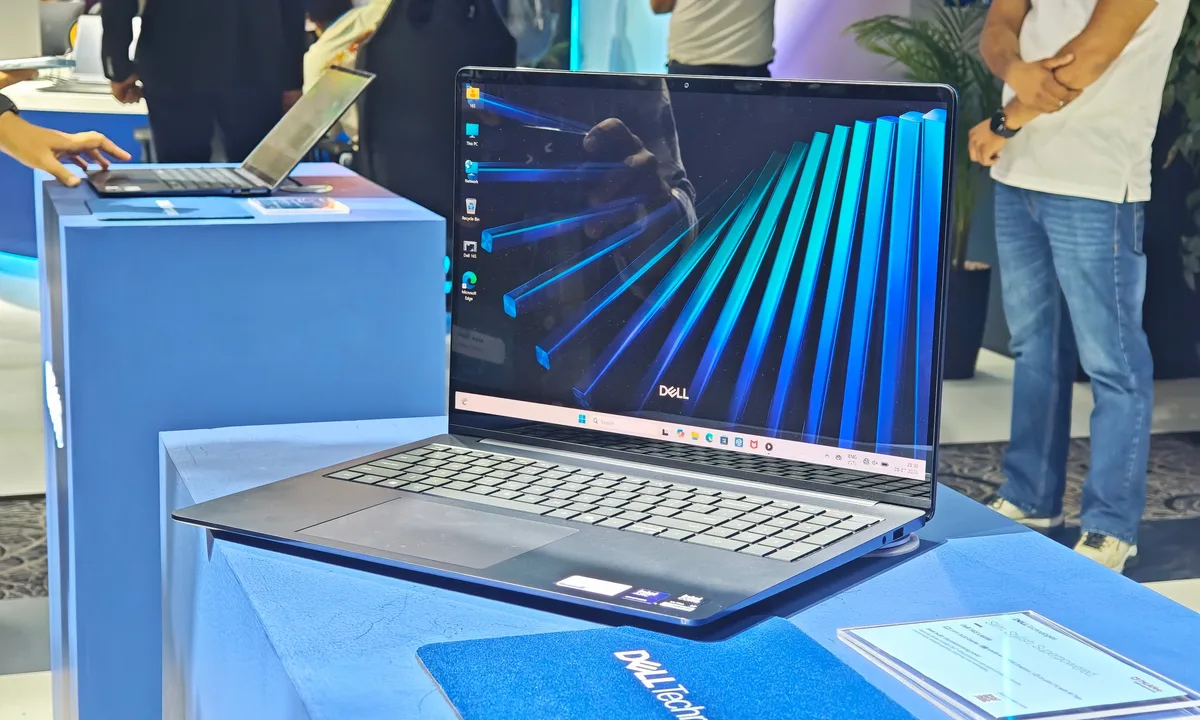
Those specifications make the higher end screen useful for photo work, video playback, productivity, and anyone who prefers smoother scrolling and interface animations.
A 120Hz refresh rate does not turn the 14S into a gaming laptop, but it should make everyday Windows use feel noticeably smoother than a conventional 60Hz display.
Soldered RAM Requires More Care When Buying
Memory is likely to be the more important purchasing decision.
Dell offers 8GB and 16GB LPDDR5X configurations, but both are onboard. There are no memory slots for future upgrades.
That means choosing 8GB could become limiting over the life of the laptop, especially as browsers, productivity software, and Windows itself continue to use more memory.
The 16GB configuration should be the safer choice for buyers planning to keep the laptop for several years.
Storage is more flexible at purchase, with 256GB, 512GB, and 1TB PCIe NVMe SSD options available.
Dell has paired those configurations with Intel Core Series 3 processors. Buyers can choose between the Core 5 320 and the more capable Core 7 350.
Lightweight Design Comes in Four Colors
The Dell 14S weighs 2.54 pounds, making it relatively easy to carry for work, school, or travel.
It includes a 61.2Wh battery. Dell describes the laptop as capable of all day battery life, although real performance will depend heavily on display configuration, brightness, workload, and power settings.
The higher resolution 120Hz panel will also consume more power than the standard 60Hz option under similar conditions.
Dell is offering the laptop in four finishes: Linen, Dusty Rose, Washed Denim, and Velvet Green.
The range gives the 14S a more colorful design than many mainstream Windows laptops, where silver, gray, and black remain the most common choices.
Dell has not yet announced pricing or a release date.
Those details will determine how competitive the 14S is, especially because the laptop combines several attractive features with one important restriction.
The optional 1800p 120Hz display gives it stronger screen specifications than many ordinary 14 inch notebooks. The soldered memory, however, means buyers need to choose carefully at checkout because there will be no simple path to add more RAM later.


Discussion (0)
Be the first to comment.