




ASUS has released a new BIOS update that restores Transparent Secure Memory Encryption, or TSME, on supported consumer Ryzen systems. The feature was reportedly removed through earlier AMD BIOS updates, but the latest ASUS beta firmware brings it back for owners of compatible AM5 motherboards.
The update includes AMD’s AGESA ComboAM5 PI 1.3.0.1b Patch A code and is currently available as BIOS version 2401 for select ASUS 800 series boards. It is mainly relevant to Ryzen owners who want the added protection of memory encryption and had lost access to the option after installing newer firmware.
TSME is not a feature most people will notice during daily use, but it provides an extra layer of security by encrypting data stored in system memory. Its return will be welcome for enthusiasts and security conscious PC owners who want more control over their hardware.
What Transparent Secure Memory Encryption Does
TSME encrypts the contents of RAM using a key generated by the processor during startup. Once enabled in the BIOS, the feature works in the background and helps protect memory data from certain physical attacks.
One example is a cold boot attack, where someone tries to access information left in RAM after a computer has been powered down or restarted. Memory can retain traces of data briefly, and encryption helps reduce the chance that sensitive information can be recovered.
The feature is especially useful for systems that store personal files, passwords, work documents, encryption keys, or other sensitive data.
| Feature | What It Does |
|---|---|
| Transparent Secure Memory Encryption | Encrypts data stored in system RAM |
| Processor generated key | Creates the encryption key during startup |
| BIOS control | Lets the feature be enabled through firmware settings |
| Cold boot protection | Helps reduce risks from physical memory attacks |
| New ASUS BIOS | Restores TSME on supported consumer Ryzen systems |
The Feature Was Previously Removed From Consumer Ryzen Systems
Recent AMD firmware reportedly removed TSME support from non PRO Ryzen processors, while keeping it available for Ryzen PRO chips. The change caused concern among users who had enabled the security feature on their consumer systems.
The removal affected systems using newer AGESA BIOS versions, including firmware based on AGESA 1.2.0.7 and later. AMD initially indicated that TSME was intended for Ryzen PRO hardware, but community feedback led the company to confirm that the feature would return through future BIOS updates.
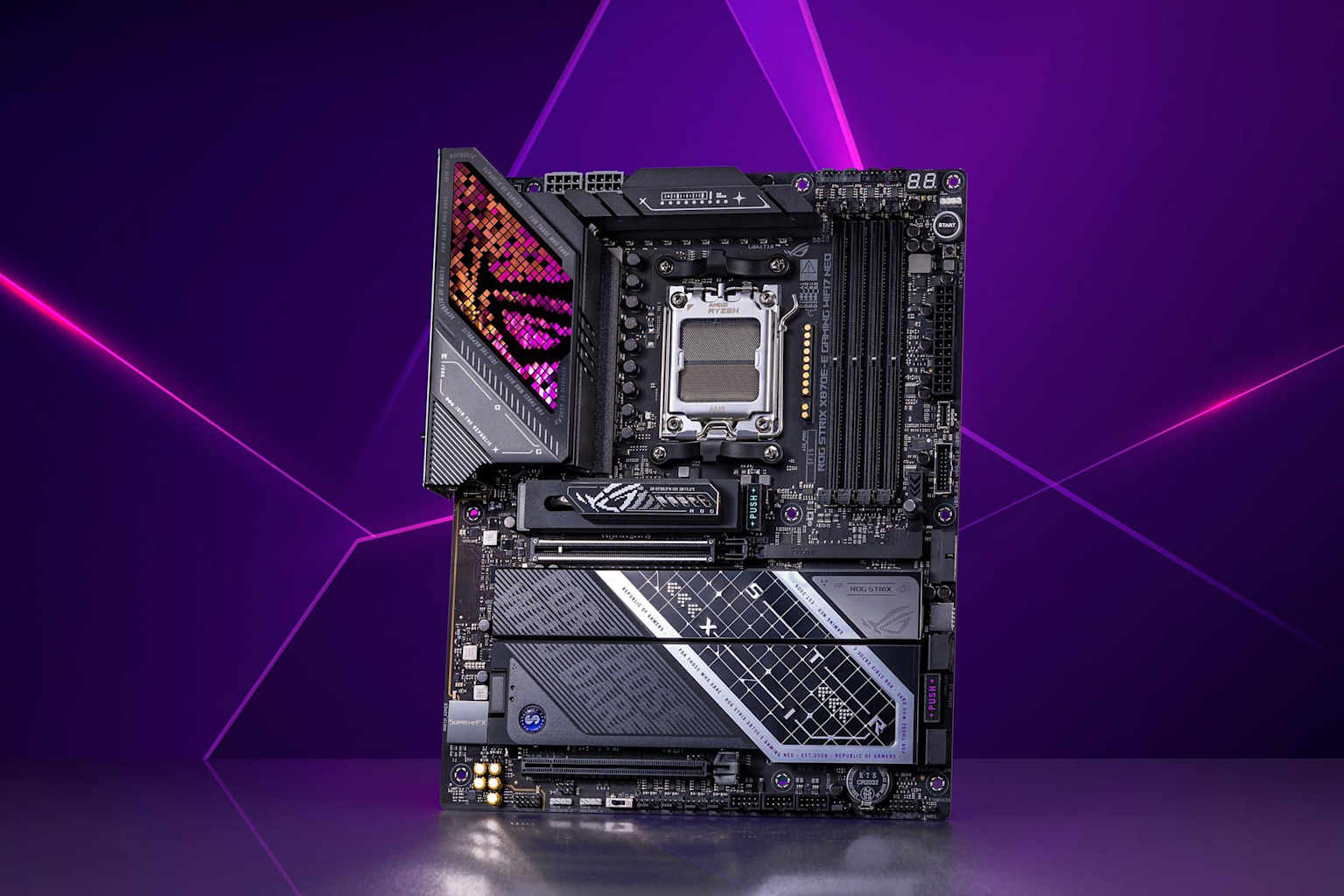
ASUS appears to be one of the first motherboard makers to begin delivering that restoration. Other AM5 board partners may release similar firmware updates in the coming weeks.
ASUS Beta BIOS 2401 Brings the Feature Back
The updated ASUS firmware is aimed at owners of supported X870 and X870E motherboards. Since it is a beta BIOS, people should consider whether they need the update before installing it.
Beta firmware can include new features and fixes, but it may also carry a higher risk of unresolved bugs than a final public release. Anyone updating should read the BIOS notes for their exact motherboard model and follow ASUS’s instructions carefully.
A BIOS update should not be treated like a normal Windows software update. Interrupting the process can cause serious problems, so it is best to use a stable power source and avoid updating unless there is a clear reason.
Who Should Install the New BIOS Update
The update is most useful for people who actively use TSME or want stronger memory protection on their Ryzen PC. If the feature was never enabled, there may be little practical reason to install a beta BIOS immediately.
Before updating, check whether your motherboard is supported and whether the release notes specifically mention AGESA ComboAM5 PI 1.3.0.1b Patch A. After the update, enter the BIOS and look for the TSME setting to confirm it is available again.
The return of TSME shows that firmware features can matter even when they are not visible in Windows. For Ryzen owners who value hardware based security, ASUS’s update restores an option that should not have disappeared in the first place.



Discussion (0)
Be the first to comment.