



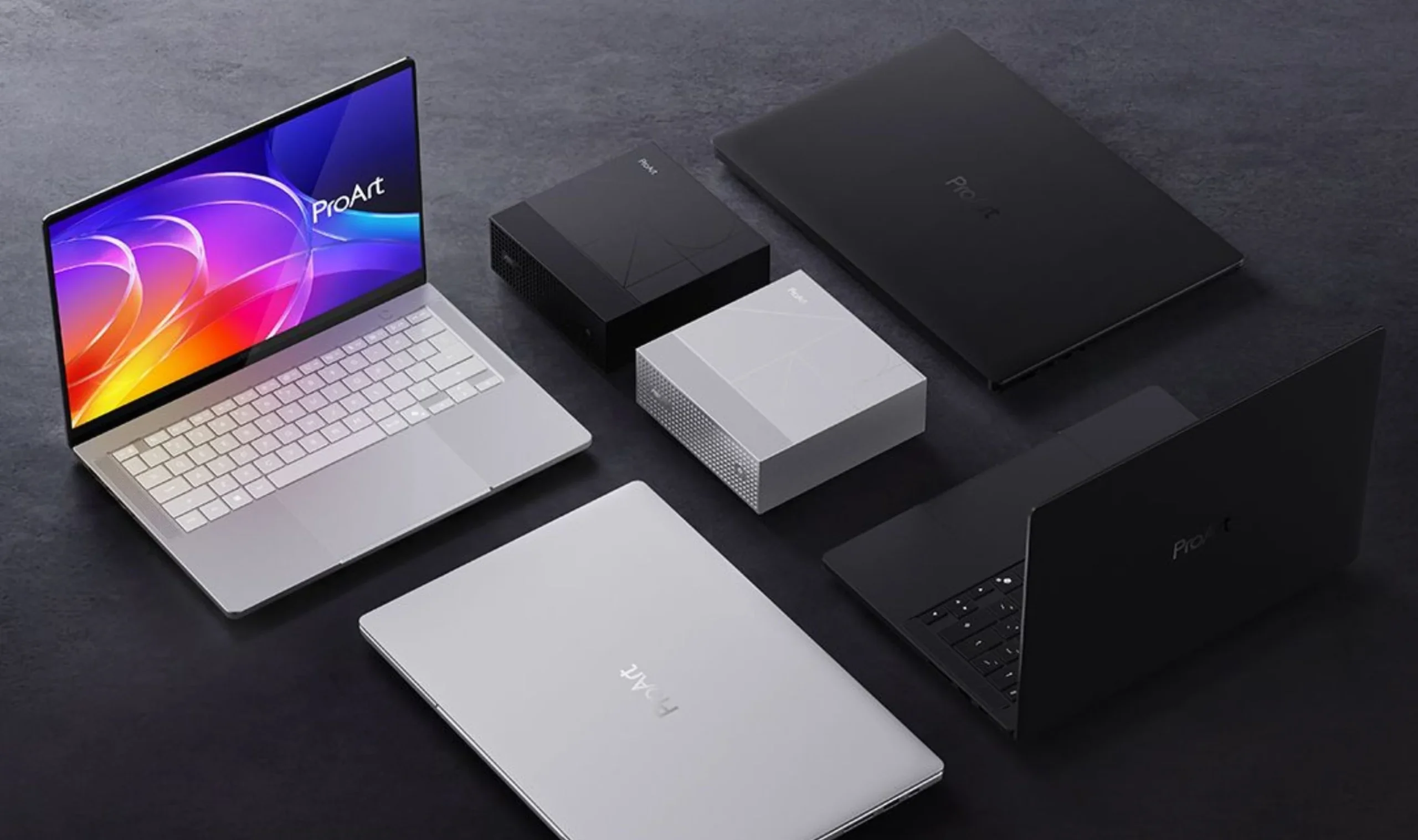
ASUS is preparing its ProArt P14 and ProArt P16 laptops around NVIDIA's upcoming RTX Spark platform, and new details suggest both systems will rely on liquid metal and a traditional heatpipe cooling design instead of a vapor chamber.
The decision is notable because these laptops are expected to handle demanding creator and AI workloads inside relatively thin chassis. ASUS appears to be prioritizing direct heat transfer through liquid metal while using a conventional heatpipe assembly to move heat away from the RTX Spark chip.
The systems are expected to launch alongside the first RTX Spark PCs beginning in October 2026.
| Cooling detail | ASUS ProArt P14 and P16 |
|---|---|
| Platform | NVIDIA RTX Spark |
| Thermal interface material | Liquid metal |
| Vapor chamber | Not expected |
| Main cooling structure | Traditional heatpipes |
| Protective barrier | Sponge style barrier around chip area |
| Main concern | Liquid metal movement or leakage |
| Expected launch period | October 2026 |
Liquid Metal Is Used to Improve Heat Transfer
ASUS has previous experience using liquid metal in gaming laptops, and the same approach appears to be returning in the ProArt P14 and P16.
Liquid metal can transfer heat more efficiently than many conventional thermal compounds, which makes it useful in compact systems where cooling capacity is limited.
The challenge is that liquid metal is electrically conductive.
If it spreads beyond the intended contact area and reaches surrounding components, it can potentially cause electrical damage.
Images of the ProArt cooling system show a barrier around the chip area, which appears designed to keep the liquid metal contained.
This type of protection is particularly important in a laptop because the system is moved, tilted, transported, and carried far more often than a desktop PC.
ASUS Does Not Appear to Be Using a Vapor Chamber
The absence of a vapor chamber is one of the more unusual details.
Thin premium laptops often use vapor chambers because they can spread heat across a larger area more evenly than conventional heatpipes.
However, the RTX Spark package appears to have influenced ASUS' design choice.
One explanation is that the relatively large die or package area could create uneven mounting pressure with a vapor chamber.
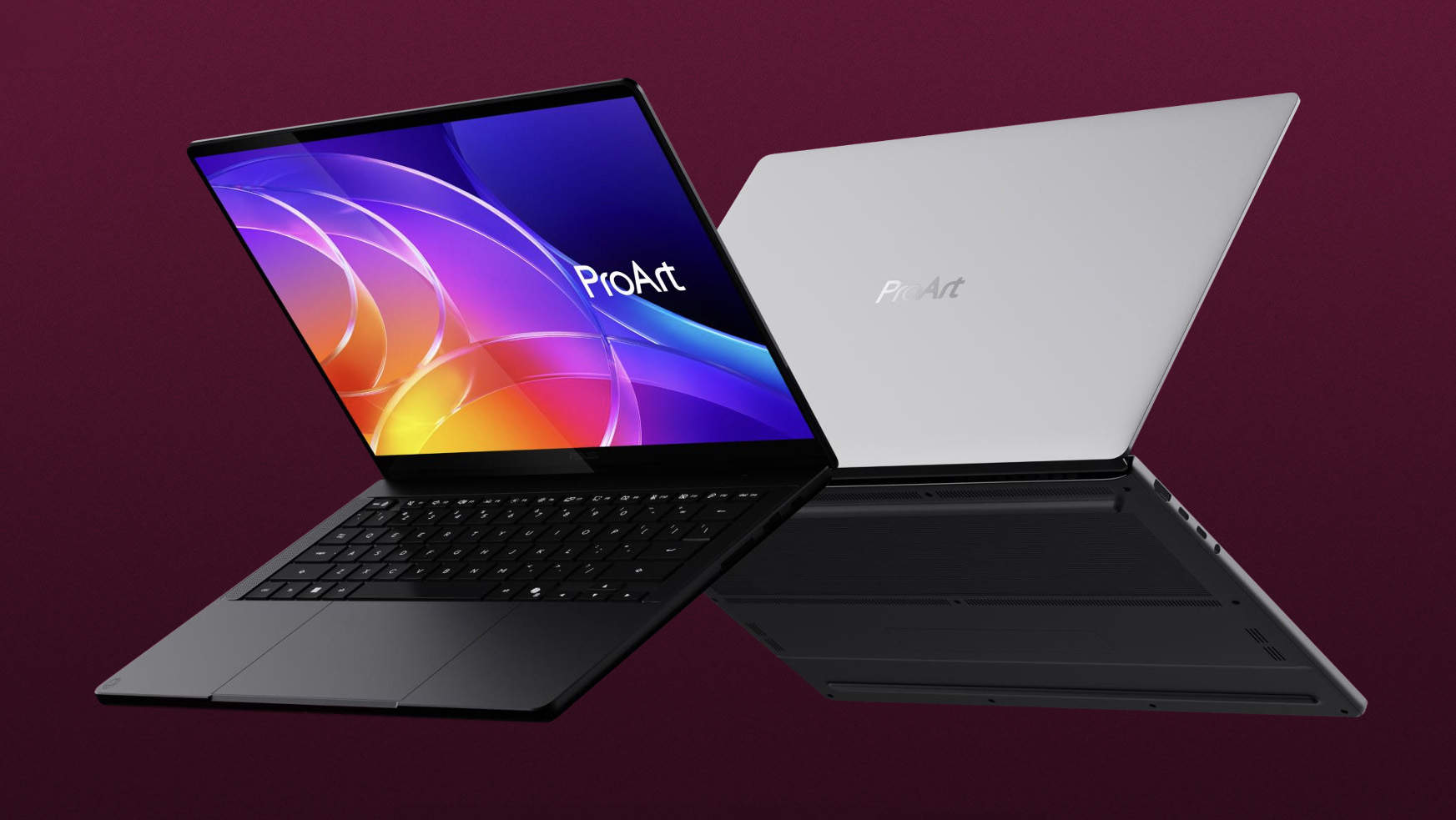
If contact pressure is not consistent across the surface, heat transfer can suffer even if the cooling system itself is theoretically capable of handling a large thermal load.
A conventional heatpipe assembly may therefore give ASUS more control over contact pressure and component placement.
The ProArt P14 Has Less Internal Space
The smaller ProArt P14 will naturally face tighter cooling and storage constraints than the P16.
Earlier details indicate that the P14 base configuration will include 24GB of LPDDR5X unified memory.
Its smaller chassis is also expected to provide only one PCIe 4.0 NVMe SSD slot.
That limited internal space makes the cooling layout particularly important because ASUS has to balance thermal performance, battery capacity, memory, storage, and overall thickness.
The larger ProArt P16 should have more room for cooling hardware, although it appears to use the same general liquid metal and heatpipe approach.
Liquid Metal Requires Careful Long Term Design
The use of liquid metal does not automatically mean the laptops will experience reliability problems.
Its safety depends heavily on application quality, containment, mounting pressure, and the surrounding barrier design.
ASUS has used liquid metal in previous laptops, so the company already has experience implementing it in mobile systems.
Still, liquid metal can be less forgiving than conventional thermal paste if the cooling assembly shifts or the barrier fails.
That makes long term durability an important factor to watch once the ProArt P14 and P16 reach retail systems.
RTX Spark Places New Cooling Demands on Thin Laptops
NVIDIA's RTX Spark platform combines an Arm based Grace CPU, Blackwell RTX graphics, and unified memory into one system design.
Higher end N1X configurations will include substantial CPU and GPU resources, which means laptop manufacturers will need to manage significant heat inside thin chassis.
ASUS appears to be addressing that challenge with liquid metal, traditional heatpipes, and a containment barrier instead of moving to a vapor chamber.
The final effectiveness of the design will depend on sustained performance, fan behavior, surface temperatures, and long term reliability once production models become available.



Discussion (0)
Be the first to comment.