



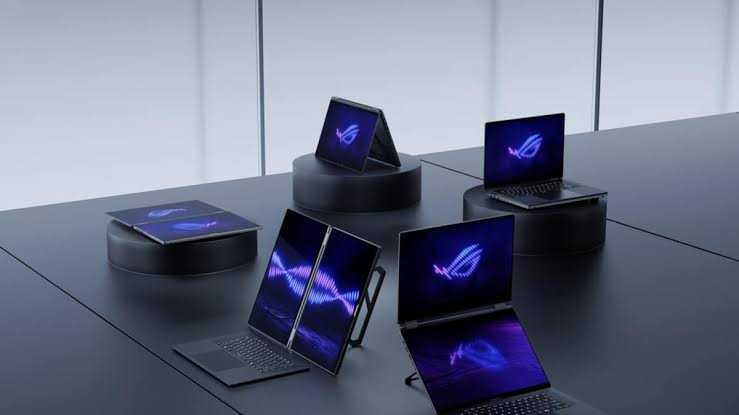
ASUS expects PC prices to continue rising in the third quarter of 2026, but the company believes the increases will be limited to single digits instead of the sharper jumps seen since late 2025. The outlook suggests that the worst of the recent PC pricing pressure may be starting to pass, even though memory and storage costs remain a major concern across the industry.
The company has already increased prices across parts of its product range by around 30% since the final quarter of 2025. Higher DRAM and storage costs, combined with pressure on supply chains, have pushed laptop and desktop prices upward at a time when many buyers are already spending cautiously.
ASUS now says memory and storage pricing has shown signs of easing, which could help limit future price changes. However, the company is not predicting cheaper PCs. Instead, it expects more modest adjustments as manufacturers try to avoid raising prices beyond what buyers are willing to accept.
ASUS Expects Single-Digit PC Price Changes in the Third Quarter
ASUS believes the PC market has reached a point where further large price increases could damage demand. The company expects product prices to be adjusted again in the third quarter, but it expects those changes to remain within the 0% to 9% range.
That would be a notable shift from the past several quarters, when memory shortages and AI data centre demand pushed component prices much higher.
| Period | ASUS pricing outlook |
|---|---|
| Since Q4 2025 | Around 30% total price increase reported |
| Q3 2026 | Expected single-digit price adjustments |
| Memory and storage costs | Signs of easing, according to ASUS |
| Overall market demand | Still under pressure from higher prices |
The change does not mean the component shortage is over. It means ASUS expects manufacturers to become more careful about passing every increase directly to buyers.
PC makers need to balance higher costs with the risk that customers delay purchases or choose lower-priced devices. That is especially important in the midrange laptop market, where buyers have more alternatives and less room in their budgets for sudden price jumps.
Premium PCs Have Helped ASUS Absorb Market Pressure
ASUS says its revenue has grown year over year, helped by demand for premium and high-end products. These products now make up a large part of its PC business.
Higher-end laptops, gaming systems, and enthusiast hardware can often absorb price increases more easily than entry-level PCs. Buyers in those categories may be more willing to pay for newer processors, better displays, more memory, or stronger graphics performance.
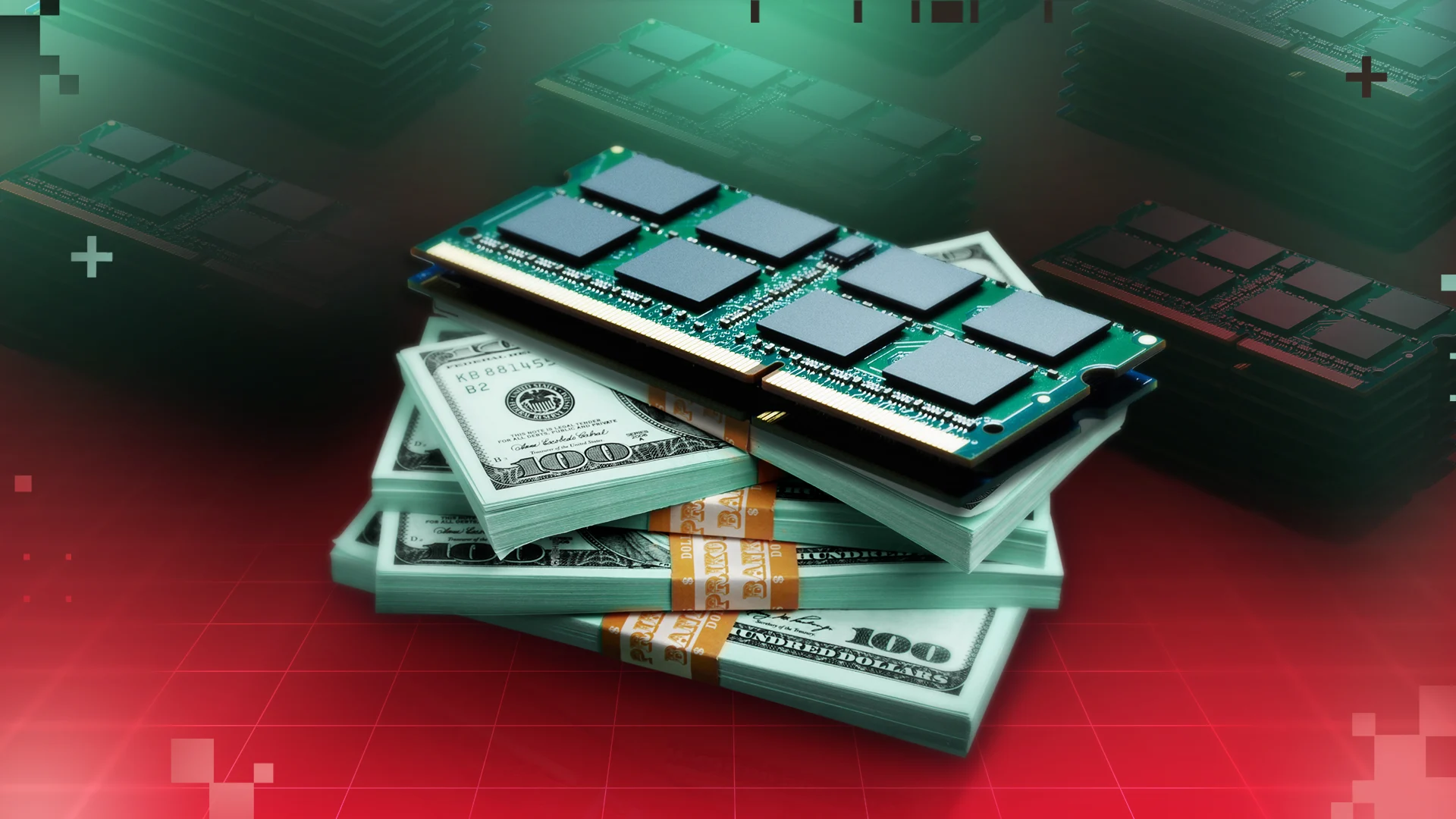
The situation is different for budget buyers. Entry-level laptops and desktops are more sensitive to higher memory and storage costs because those parts represent a larger share of the final price.
That has already led some PC makers to bring back 8GB RAM configurations in lower-cost laptops. While those models can handle browsing, streaming, office work, and basic communication, they may struggle with heavy multitasking, large browser sessions, editing work, and modern AI features.
Memory Prices Still Create Uncertainty for PC Buyers
ASUS has offered a more positive outlook, but other market reports continue to suggest that memory pricing may remain unstable through the coming years.
Demand for high-bandwidth memory used in AI servers has changed how chipmakers plan production. Manufacturers are focusing heavily on profitable AI memory products, which can limit the supply of standard DRAM used in laptops, desktops, graphics cards, and storage devices.
Consumer memory and SSD prices have continued to rise in many markets, and spot pricing does not always reflect the contracts used by large PC makers. This means retail prices may not fall quickly even if some component prices begin to stabilise.
The PC Market May Be Moving From Sharp Increases to Smaller Adjustments
ASUS’s forecast is encouraging for anyone planning to buy a laptop or desktop later in 2026. Smaller price increases are better than another wave of double-digit jumps, especially after months of rising hardware costs.
Still, buyers should not expect an immediate return to the prices seen before the memory shortage. PC makers may reduce the speed of price increases, but premium hardware, larger memory configurations, and high-capacity SSDs are likely to remain expensive.
The next few months will show whether ASUS’s prediction reflects a broader market recovery or only a temporary pause in the current pricing pressure.



Discussion (0)
Be the first to comment.