



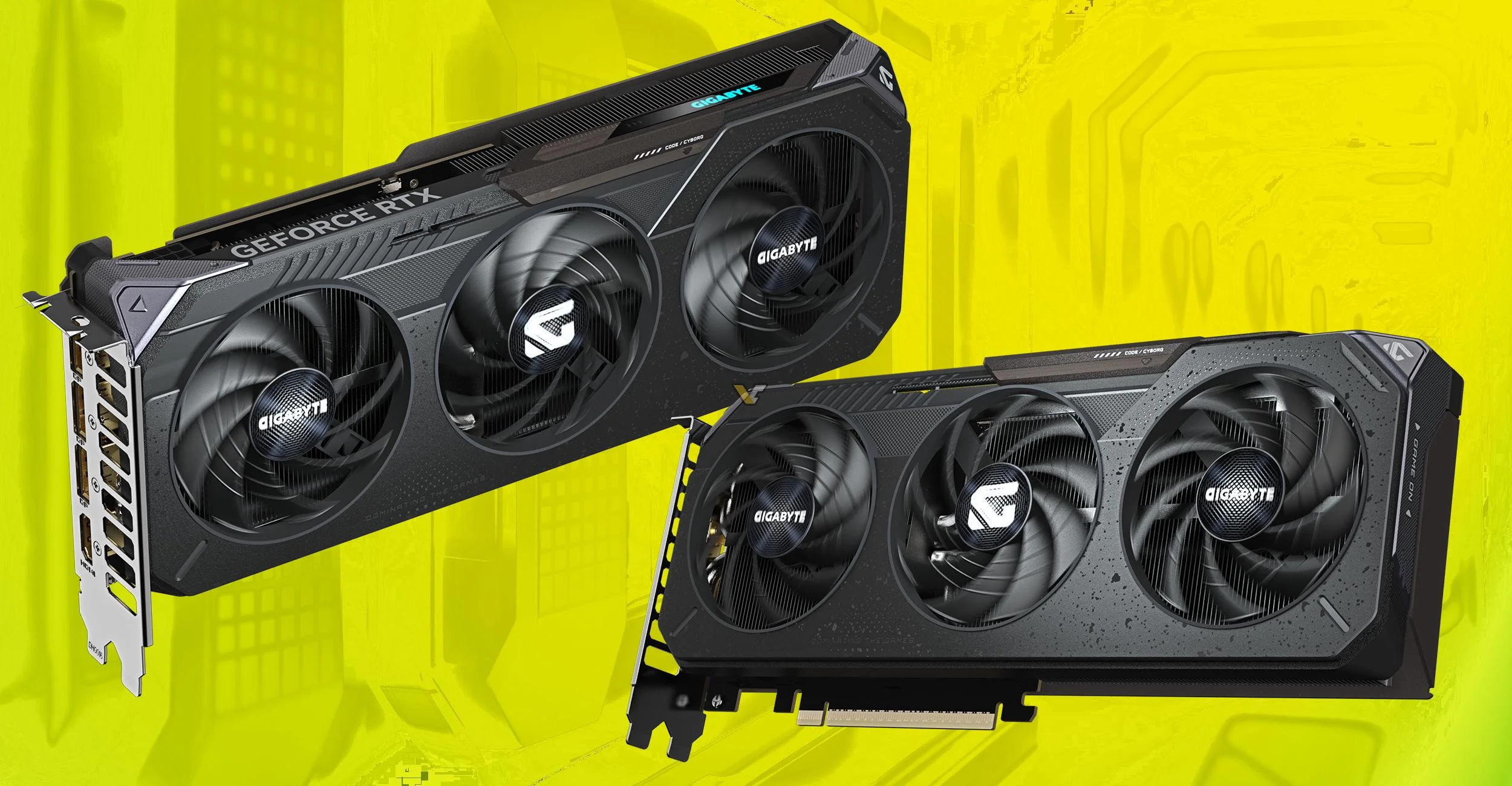
ASUS and GIGABYTE have reportedly introduced new graphics card price increases in China, affecting current NVIDIA GeForce RTX 50 and AMD Radeon RX 9000 models as well as some older products.
The latest adjustment is said to raise prices by around 20 percent compared with July levels. Depending on the model, the increase ranges from 300 yuan, or about $44, to 4,500 yuan, or roughly $666.
The largest adjustment reportedly applies to premium cards such as the GeForce RTX 5090 D V2. More affordable products are also affected, including the RTX 3050, RTX 3060, Radeon RX 9060 XT, and Radeon RX 9070 XT.
The information comes from board industry channels rather than official public announcements from ASUS or GIGABYTE. Exact retail prices may therefore vary between stores, models, and regions.
Flagship RTX 5090 Models Face the Largest Increase
The GeForce RTX 50 series is expected to receive the most substantial increases under the new pricing policy.
Reported adjustments begin at around 600 yuan, equal to approximately $88, and rise to 4,500 yuan for selected flagship models. The RTX 5090 D V2 is cited as one of the products receiving the largest change.
| Graphics card category | Reported increase |
|---|---|
| Lower priced affected models | From 300 yuan |
| RTX 50 series | From 600 yuan |
| RTX 5090 D V2 | Up to 4,500 yuan |
| US equivalent range | About $44 to $666 |
| Average reported adjustment | Around 20% over July pricing |
These changes could push already expensive flagship cards further beyond their original recommended prices.
Recent reports also indicate that some retailers have begun cancelling existing GPU orders when they can no longer honour earlier prices. In one case, an RTX 5090 order was reportedly cancelled before the card was offered again at a higher price.
That practice creates uncertainty for buyers who placed orders before the adjustment but have not yet received their cards.
Radeon RX 9000 Cards Are Also Affected
The price increases are not limited to NVIDIA hardware.
ASUS and GIGABYTE models based on AMD’s Radeon RX 9000 series are also reportedly receiving higher prices. The RX 9060 XT could rise by as much as 650 yuan, while some RX 9070 XT models may increase by up to 1,150 yuan.
| AMD graphics card | Reported maximum increase |
|---|---|
| Radeon RX 9060 XT | Up to 650 yuan |
| Radeon RX 9070 XT | Up to 1,150 yuan |
| Approximate US equivalent | About $96 to $170 |
These increases could weaken one of AMD’s main advantages in the graphics card market. Radeon products often compete by offering lower prices than comparable GeForce models.
If both companies raise prices at similar rates, buyers may have fewer affordable alternatives across the current generation.
Older RTX 30 Cards May Become More Expensive
The report also mentions price increases for older GeForce RTX 30 series cards, including the RTX 3050 and RTX 3060.
These products remain in circulation because they serve the entry level and lower midrange markets. Rising prices could make them less attractive, especially when their performance and feature support are compared with newer hardware.
| Older GPU | Market role |
|---|---|
| RTX 3050 | Entry level 1080p gaming |
| RTX 3060 | Affordable mainstream gaming |
| RTX 30 series overall | Lower cost alternative to current models |
Older cards usually become cheaper as new generations arrive. The current market is moving in the opposite direction because memory and component costs are increasing.
This means some outdated models may cost more without receiving any improvement in performance.
Memory Costs Are Driving the Adjustment
The reported price changes follow increases in graphics memory and complete GPU memory kit costs.
NVIDIA and AMD board partners purchase GPUs together with memory and other required components. When those package costs rise, manufacturers can either absorb the difference or pass it on to distributors and retailers.
Both AMD and NVIDIA have reportedly notified partners about higher memory related pricing. AMD’s adjustment was previously described as at least 10 percent, while NVIDIA partners have also faced higher costs for GDDR6 and GDDR7 configurations.
| Cost pressure | Effect on graphics cards |
|---|---|
| Higher GDDR6 prices | Raises costs for Radeon and older GeForce models |
| Higher GDDR7 prices | Affects current RTX 50 cards |
| Limited memory supply | Reduces available GPU inventory |
| Higher board partner costs | Leads to wholesale price increases |
| Retail uncertainty | Can cause order cancellations |
| Currency and regional costs | Produce different increases by market |
Memory demand from artificial intelligence systems, data centres, laptops, and other electronics is placing pressure on available supply.
Board partners may no longer be able to maintain previous retail prices without reducing margins.
China Is Seeing the Changes First
The reported adjustments apply specifically to the Chinese market.
China often receives price changes quickly because it has a large graphics card manufacturing, distribution, and retail network. Local board partners and distributors can react rapidly when component costs change.
This does not guarantee identical increases in other countries. Prices elsewhere will depend on exchange rates, inventory, import costs, taxes, retailer stock, and regional demand.
However, a 20 percent adjustment from major manufacturers could eventually affect international pricing if the underlying memory shortage continues.
| Regional factor | Possible effect |
|---|---|
| Existing inventory | Older stock may keep previous prices temporarily |
| Exchange rates | Can increase or reduce local impact |
| Import duties | Add further cost |
| Retail competition | May delay some increases |
| Limited supply | Encourages higher markups |
| Preorders | May face delays or cancellations |
Buyers outside China may not see immediate changes, but newly imported stock could arrive at higher wholesale prices.
Retail Prices May Rise by More Than 20%
A manufacturer adjustment does not always translate directly into the same percentage at retail.
Distributors and stores may apply additional increases when stock is limited. Some retailers may also raise prices pre-emptively because they expect replacement inventory to cost more.
This can create situations where the final retail increase is larger than the original board partner adjustment.
Premium models are particularly vulnerable because supply is already limited and demand remains strong. A 4,500 yuan increase on an RTX 5090 D V2 could be followed by further retailer markups.
The opposite can also happen if a store still has older inventory purchased at a lower cost. Those cards may remain available at previous prices until they sell out.
Buyers Should Compare Actual Models Carefully
Price increases differ between individual cards, even when they use the same GPU.
ASUS and GIGABYTE sell several versions with different coolers, power limits, factory overclocks, materials, and warranties. A premium model can cost hundreds more than a basic version without delivering a similar increase in performance.
| Feature | Effect on price |
|---|---|
| Larger cooler | Higher manufacturing cost |
| Factory overclock | Small performance increase |
| Premium power delivery | Better support for high power limits |
| RGB lighting | Higher cosmetic cost |
| Limited edition design | Greater markup |
| Longer warranty | May add value |
Buyers should compare the final price against real gaming performance rather than focusing only on branding.
A lower tier model with the same GPU often provides nearly identical frame rates at a much lower cost.
Further Increases Could Reduce GPU Demand
Higher graphics card prices may encourage people to delay upgrades, buy used hardware, or choose lower performance models.
The market has already faced criticism over the value of entry level cards such as the RTX 5050 and Radeon RX 9050. Additional price increases could make those products even harder to recommend.
Flagship buyers may be less sensitive to price, but increases of several hundred dollars can still reduce demand.
ASUS and GIGABYTE have not publicly confirmed the reported Chinese adjustments. The available information nevertheless adds to growing evidence that graphics card prices are moving upward across both NVIDIA and AMD product lines.
The immediate impact is expected to be strongest in China, but continued memory inflation could spread similar increases to other regions as distributors replace older stock.



Discussion (0)
Be the first to comment.