




Sticking to one gaming platform can look efficient, with a familiar interface and a settled library. That comfort can turn a preferred device into an unnecessary rule. More value can come from choosing access around a particular game and the place it will be played, rather than treating one device as a permanent identity.
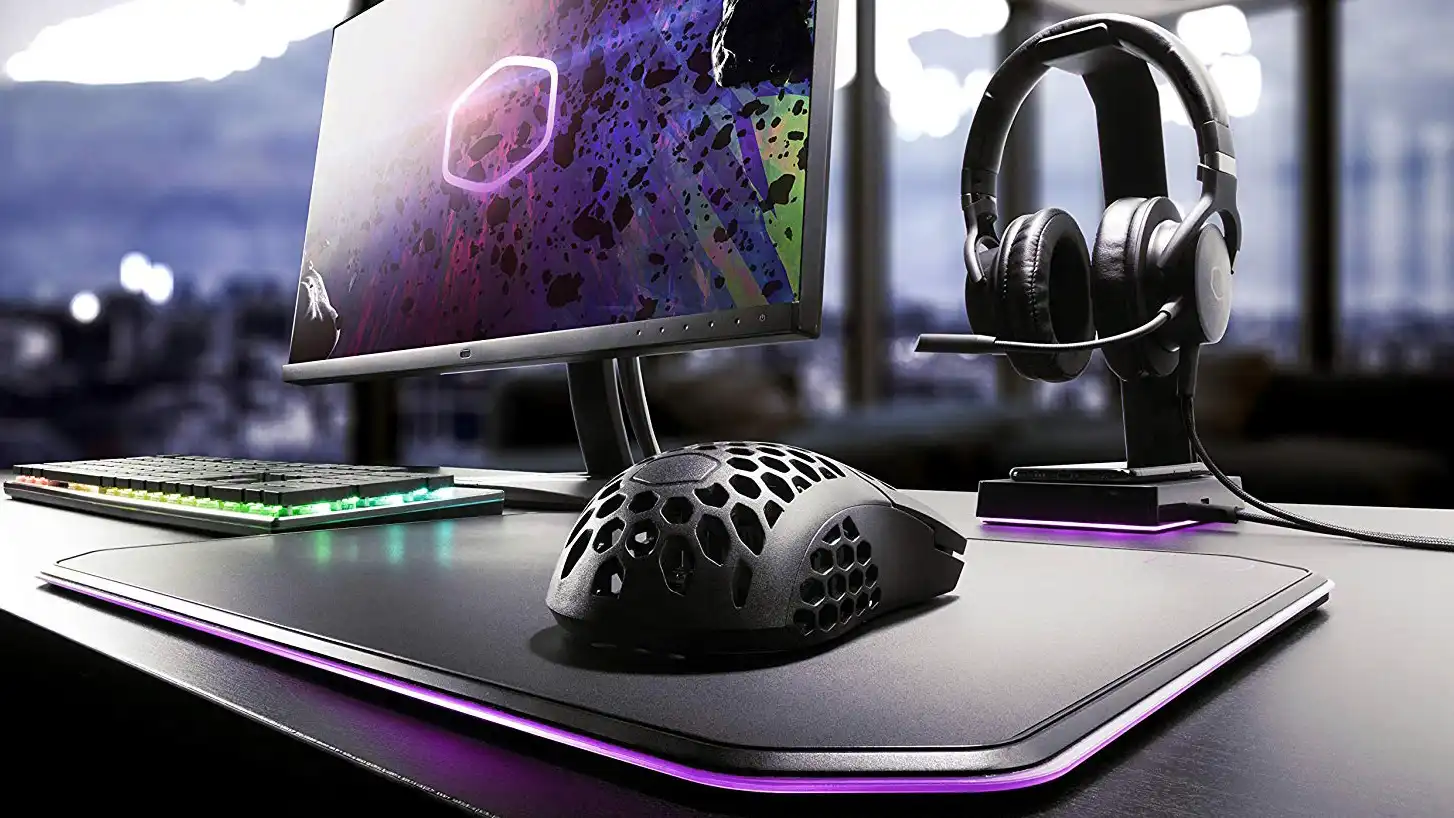
A PC can broaden those options without replacing every console. It may suit games played at a desk, while a console can remain the natural home for its own catalog or a living-room session. Software is part of a PC setup, so a Win 11 pro key can be relevant when building one. The linked page identifies Microsoft Windows as the platform and presents region categories, practical details for choosing software that fits the intended setup.
Flexibility can change the value equation
CD keys are digital codes that buyers use to activate digital games after purchase on the relevant platform. Eneba is one strong option for game keys and other digital products, with listings that present clear region and platform details.
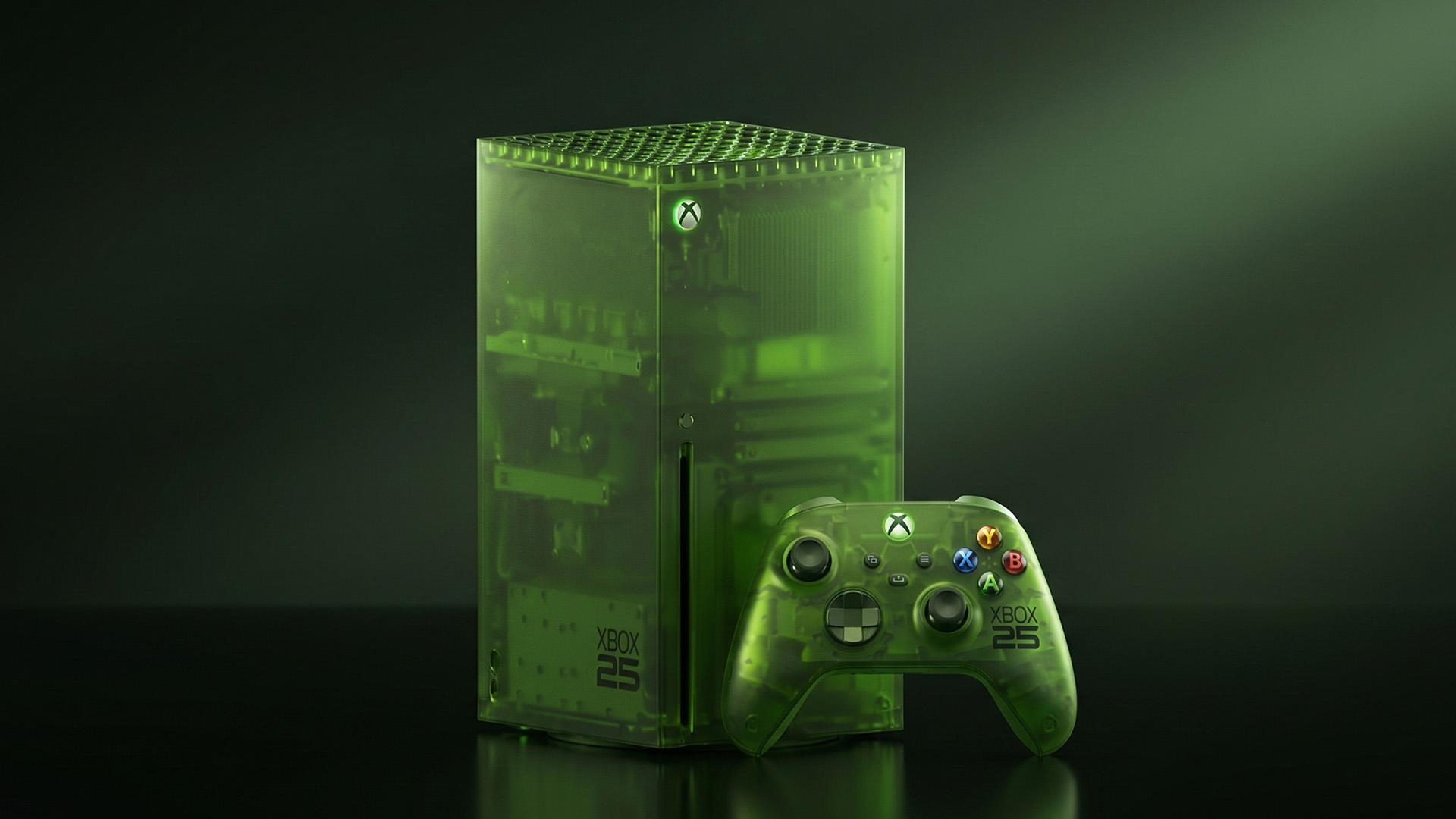
The clearest case for flexibility appears where the publisher builds it into the purchase. Xbox Play Anywhere lets buyers of supported digital titles through the Xbox or Windows Store play on Xbox consoles, Windows 10 or 11 PCs, and supported handhelds at no additional cost, with progression carried across eligible platforms. Xbox stated in March 2025 that more than 1,000 developers were using the feature. This is a practical reason to choose access game by game rather than assign every session to one machine.
Xbox Remote Play presents a separate kind of flexibility. Installed console games, including supported Game Pass titles, can be played on compatible PCs, smartphones, tablets, TVs, and VR headsets when device, software, account, and internet requirements are met. Remote Play does not create universal ownership, yet it can put an existing console library on a more convenient screen.
Portability has firm boundaries
Selective switching has firm boundaries. PlayStation publishes selected PlayStation Studios games for PC, but PC and console versions are generally separate products and saves do not generally transfer. Its catalog still distinguishes console-focused PS5 releases, so a console can retain a clear place in a mixed setup. Wider access does not erase the point of exclusives.
Account-based games illustrate a different model. Fortnite supports shared purchases and progression across Xbox, PlayStation, PC, Nintendo Switch, and mobile when the relevant accounts connect to the same Epic Games account. Some V-Bucks remain linked to the purchasing platform. Cross-play can connect friends on different platforms and can reduce matchmaking queue times, though availability and settings vary by platform.
Selective switching is a planning habit, not a promise of automatic portability. A player can choose a console-focused release for its native platform, then use a PC where supported purchase sharing or preferred controls make sense. A mobile device can serve as an extra access point for account-linked games during travel or away from the main screen.
The smart contrarian view is not that every player needs every device. It is that loyalty works better as a preference than a constraint. Before a purchase, check the individual rules for ownership, cross-save, cross-play, subscriptions, DLC, and virtual currency. A digital marketplace can support this deliberate approach with product listings that show platform, region, activation rules, seller information, and key notices. Eneba's product categories, spanning game keys, gift cards, subscriptions, top-ups, DLCs, and in-game currencies, reflect an environment where a gaming setup can extend beyond one ecosystem.

Discussion (0)
Be the first to comment.