



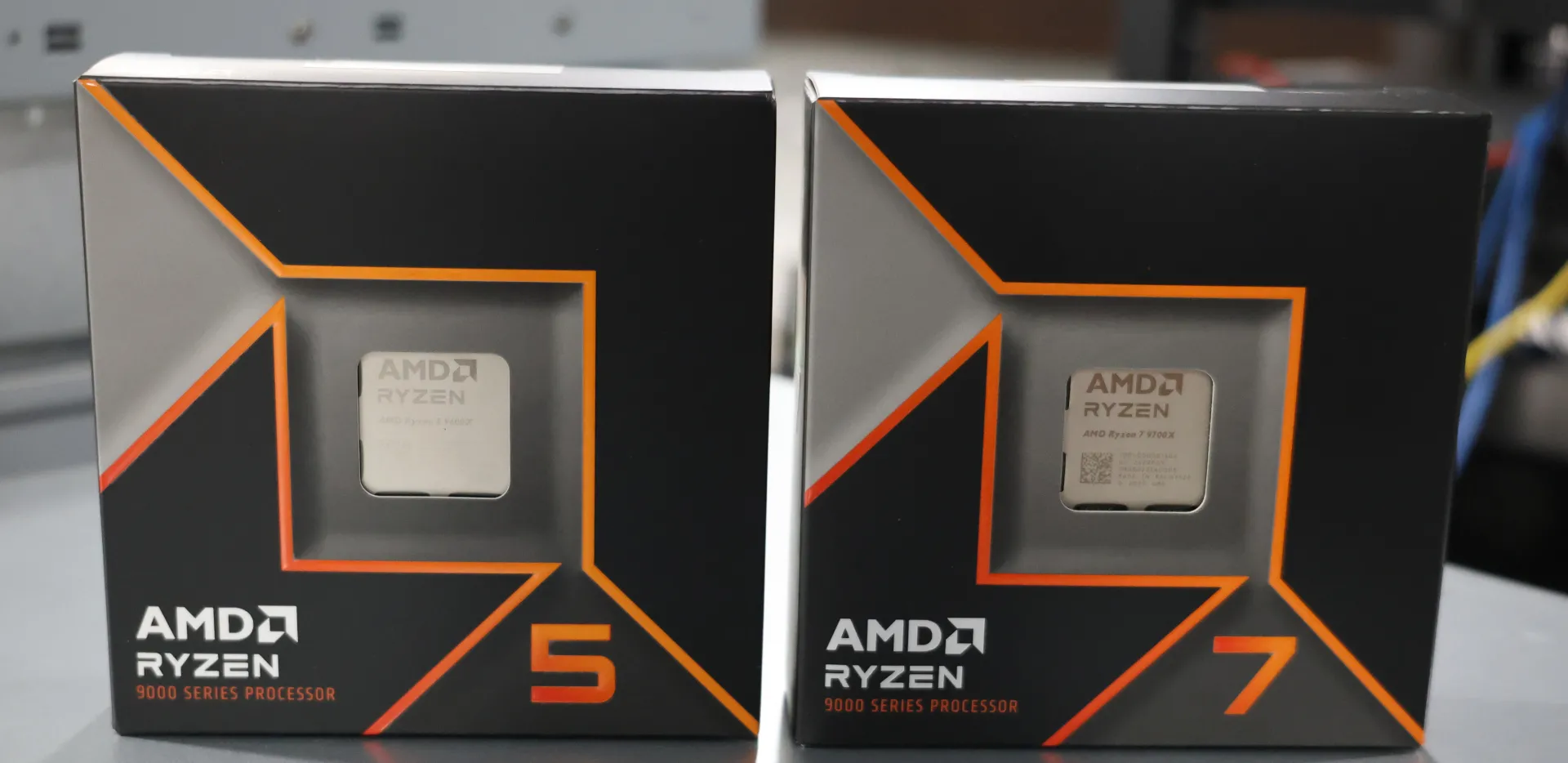
AMD is working on a new feature that could make future Ryzen processors easier for Windows and Linux to manage.
The feature is called CPPC HighestFreq. It would let a CPU report its real maximum boost frequencies directly to the operating system through firmware. That means Windows and Linux would no longer need to estimate boost behavior through abstract performance values.
This matters because modern Ryzen processors do not boost all cores in the same way. Some cores can reach higher clocks than others, and AMD already marks preferred cores for demanding work. But if the operating system does not have accurate frequency information, it may not always place important tasks on the fastest available core.
That can matter for workloads such as gaming, where responsiveness and scheduling can affect smoothness. It may not create a huge performance jump by itself, but better scheduling can help the system behave more consistently.
Today, CPPC already helps the operating system understand processor performance, but it does not expose exact frequency values. Windows and Linux rely on performance numbers and calculations to estimate how cores behave. That becomes less ideal as boosting becomes more complex and less linear across cores.
CPPC HighestFreq is meant to solve that. It gives the operating system clearer information about each core’s true maximum frequency, so the scheduler can make better choices.
Here is the simple version:
| Feature | What it changes |
|---|---|
| CPPC HighestFreq | Lets CPUs report real maximum boost clocks |
| Current issue | Operating systems estimate boost behavior |
| Main benefit | Better core selection for demanding tasks |
| Platforms | Windows and Linux could benefit |
| Driver work | Prepared for Linux AMD P State |
| Standard | Expected in ACPI 6.7 |
The feature is being prepared for the Linux AMD P State driver and is expected to become part of the ACPI 6.7 specification. If adopted widely, it could help both Windows and Linux understand future Ryzen chips more accurately.
The change is technical, but the goal is easy to understand. Your operating system should know which CPU cores are actually fastest instead of guessing. With more accurate information, games and heavy apps can be sent to the best cores more reliably.
For most people, this will likely show up as better responsiveness rather than a dramatic benchmark gain. Still, it is the kind of low level improvement that can make modern CPUs feel smoother, especially as boost algorithms become more advanced.

Discussion (0)
Be the first to comment.