



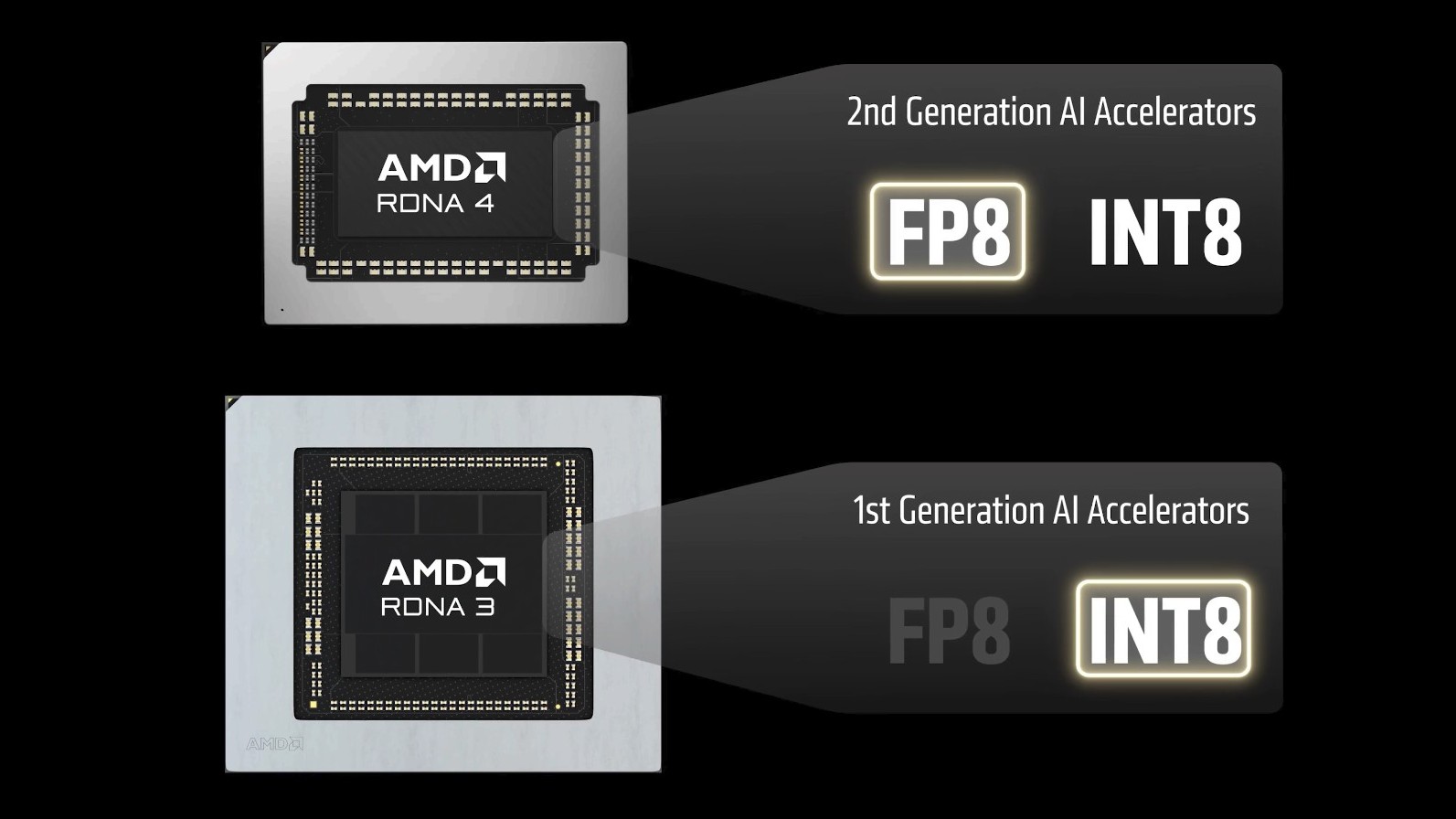
AMD is finally expanding FidelityFX Super Resolution 4.1 beyond its newest graphics cards.
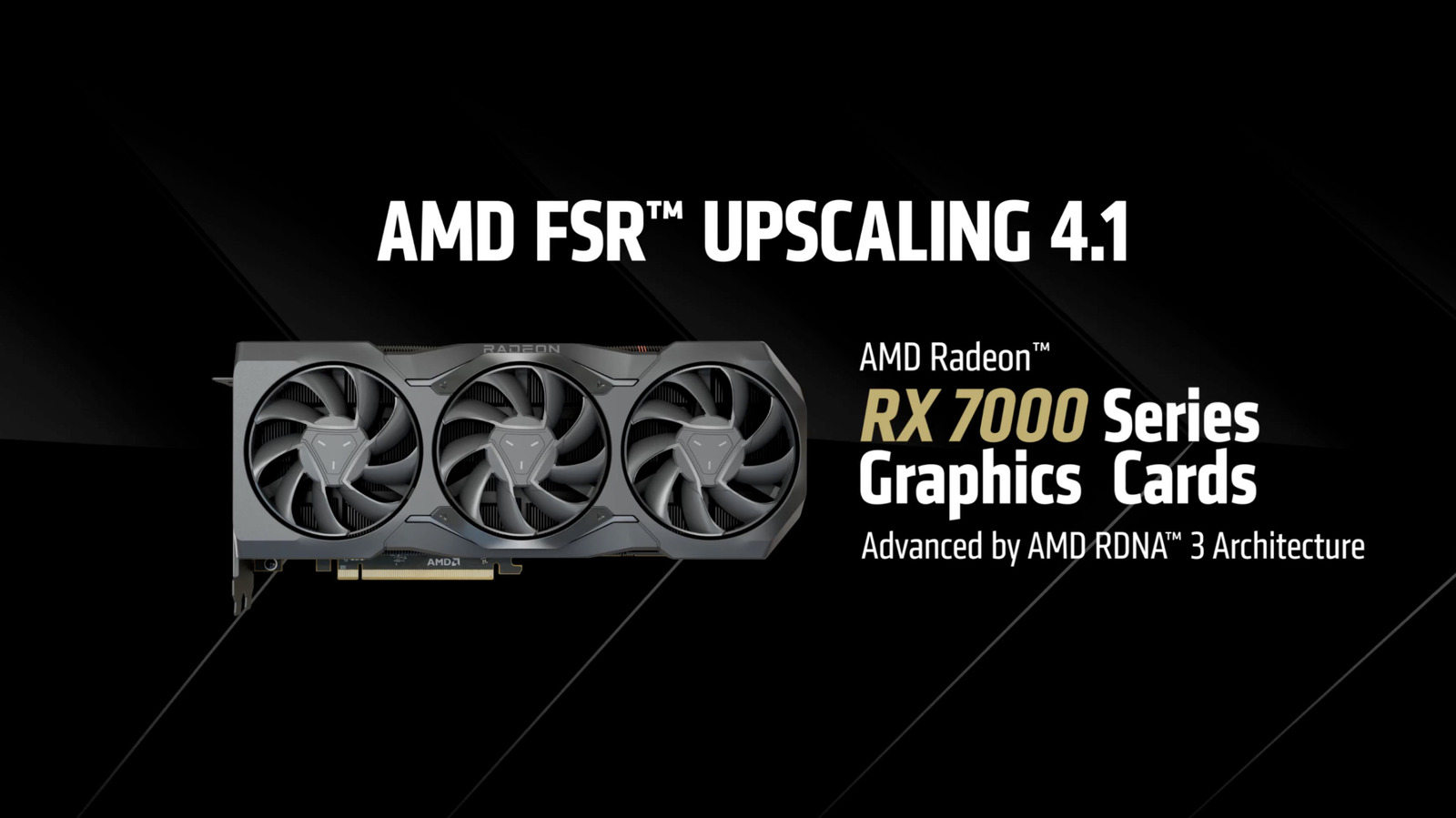
The company has confirmed that FSR 4.1 will arrive on RDNA 3 GPUs, meaning the Radeon RX 7000 series, in July 2026. RDNA 2 GPUs, including the Radeon RX 6000 series, will get something related to FSR 4.1 in early 2027, though AMD has not shared the exact release date yet.
That is a big update for Radeon owners who felt left behind after FSR 4.1 launched in March. Until now, AMD had stayed quiet about support for older GPUs, which led to criticism from players who wanted the company to follow NVIDIA’s approach of bringing newer upscaling features to older cards where possible.
| GPU generation | Product family | FSR 4.1 timing |
|---|---|---|
| RDNA 4 | Radeon RX 9000 series | Already supported |
| RDNA 3 | Radeon RX 7000 series | July 2026 |
| RDNA 2 | Radeon RX 6000 series | Early 2027 |
AMD’s Jack Huynh announced the news on X, saying the company has been working to bring FSR 4 to more GPUs. That confirms AMD was not abandoning older Radeon cards, even though the lack of communication made many users unsure.
The biggest immediate winners are RX 7000 owners. In July, they should be able to use FSR 4.1 officially instead of relying on unofficial workarounds.
Those workarounds already showed why people wanted this. Some RDNA 2 and RDNA 3 users had been using tools like OptiScaler to inject or replace older FSR versions with FSR 4 or FSR 4.1 INT8 versions in supported games. The results were reportedly strong, but it was not an official path and required extra effort.
Official support should make the experience cleaner, easier, and more reliable.
AMD also says FSR 4.1 will support more than 300 games at launch. That matters because upscaling technology only becomes useful when it is widely available. A large supported library means RX 7000 users should see benefits quickly once the update arrives.
The RDNA 2 timeline is less clear. AMD says it has something “exciting” planned for early 2027, but the wording leaves room for questions. It may not be the exact same rollout as RDNA 3, or AMD may need more time to adapt the technology for older hardware.
Still, the announcement is good news. Radeon RX 6000 cards remain widely used, and many are still strong performers. Better upscaling could extend their lifespan, especially as newer games become more demanding.
This move also helps AMD compete more directly with NVIDIA. DLSS has remained a major selling point for GeForce cards because NVIDIA has built a reputation for strong image quality and continued software support. AMD bringing FSR 4.1 to older Radeon GPUs gives its own customers more confidence that their cards will not be left behind too quickly.
The real test will be image quality, stability, and performance once FSR 4.1 reaches RX 7000 cards in July. But the direction is positive.
For Radeon users, the message is simple: RX 7000 owners get FSR 4.1 this summer, and RX 6000 owners are finally on the roadmap for early 2027.

Discussion (0)
Be the first to comment.