



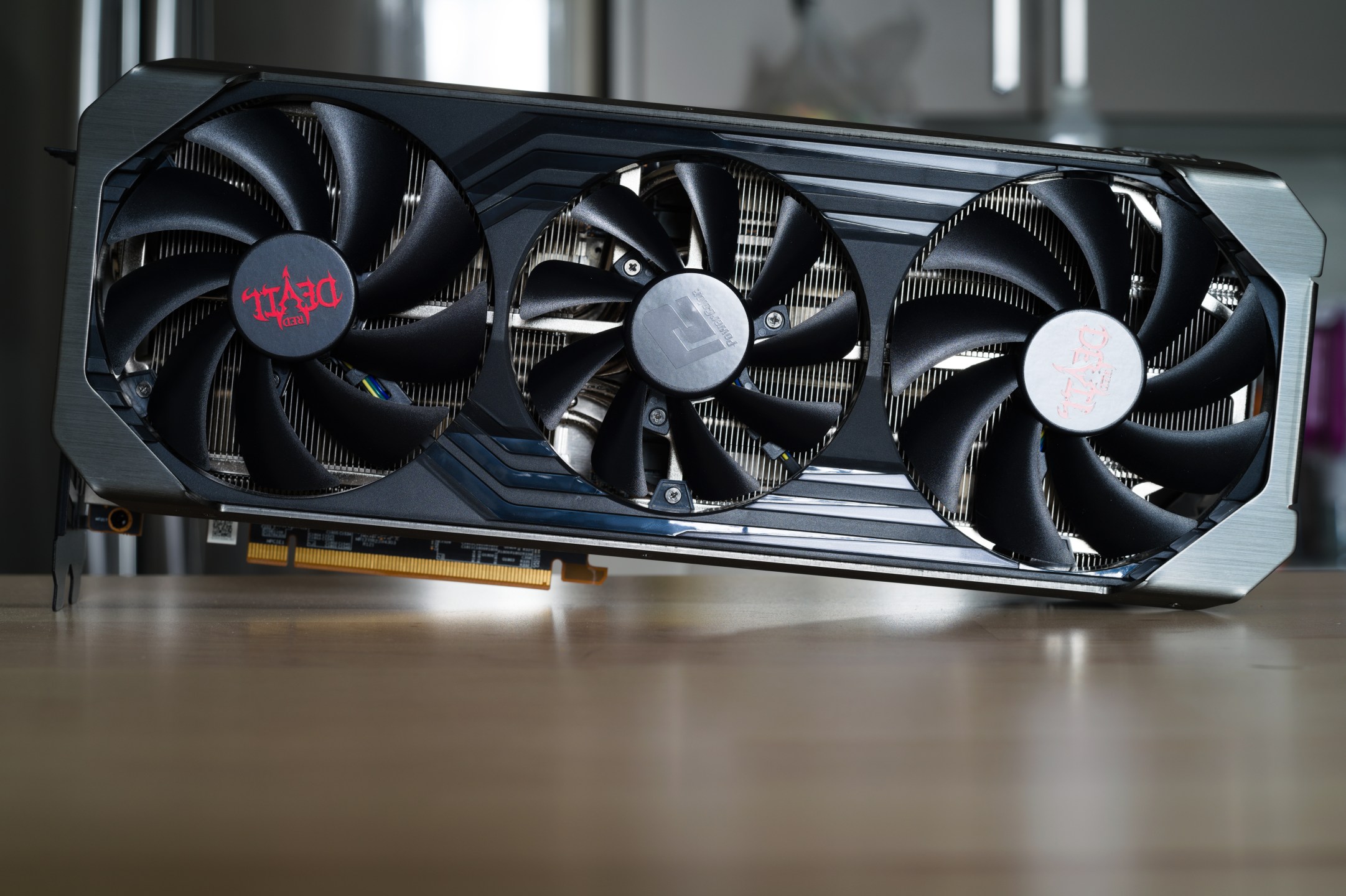
AMD is working on new DGF technology that could help future RDNA graphics cards handle much more geometry in ray traced games.
DGF stands for dense geometry format. The idea is to compress geometry data more efficiently so GPUs can process larger, more detailed scenes without wasting as much memory or bandwidth. That matters for ray tracing because modern lighting and reflection systems need to track huge amounts of scene data.
AMD says current GPUs can already achieve up to 30 percent compression with DGF. Future RDNA GPUs could benefit more directly, especially as games continue to use denser environments, more complex assets, and heavier ray traced effects.
Ray tracing has often been a weak point for AMD compared with NVIDIA. While Radeon cards have improved over time, NVIDIA still has a strong advantage in many ray traced games because of its dedicated hardware, software stack, and DLSS support. DGF looks like one way AMD may try to close part of that gap through better data handling.
The benefit is not only about higher frame rates. Better geometry compression can also help developers build richer worlds without hitting memory limits as quickly. It could make large scenes easier to render, reduce pressure on VRAM, and improve efficiency in games that use advanced lighting.
Here is the simple picture:
| Area | What DGF could improve |
|---|---|
| Full name | Dense geometry format |
| Main goal | Compress geometry data more efficiently |
| Current GPU benefit | Up to 30 percent compression |
| Future target | RDNA GPUs |
| Main use | Ray traced games with dense geometry |
| Possible result | Better efficiency, lower memory pressure, richer scenes |
DGF is especially important because game worlds are becoming more complex. Higher quality assets, larger maps, path tracing, and advanced ray tracing all increase the amount of data a GPU must handle. If AMD can reduce that load, future Radeon cards may be better prepared for next generation game engines.
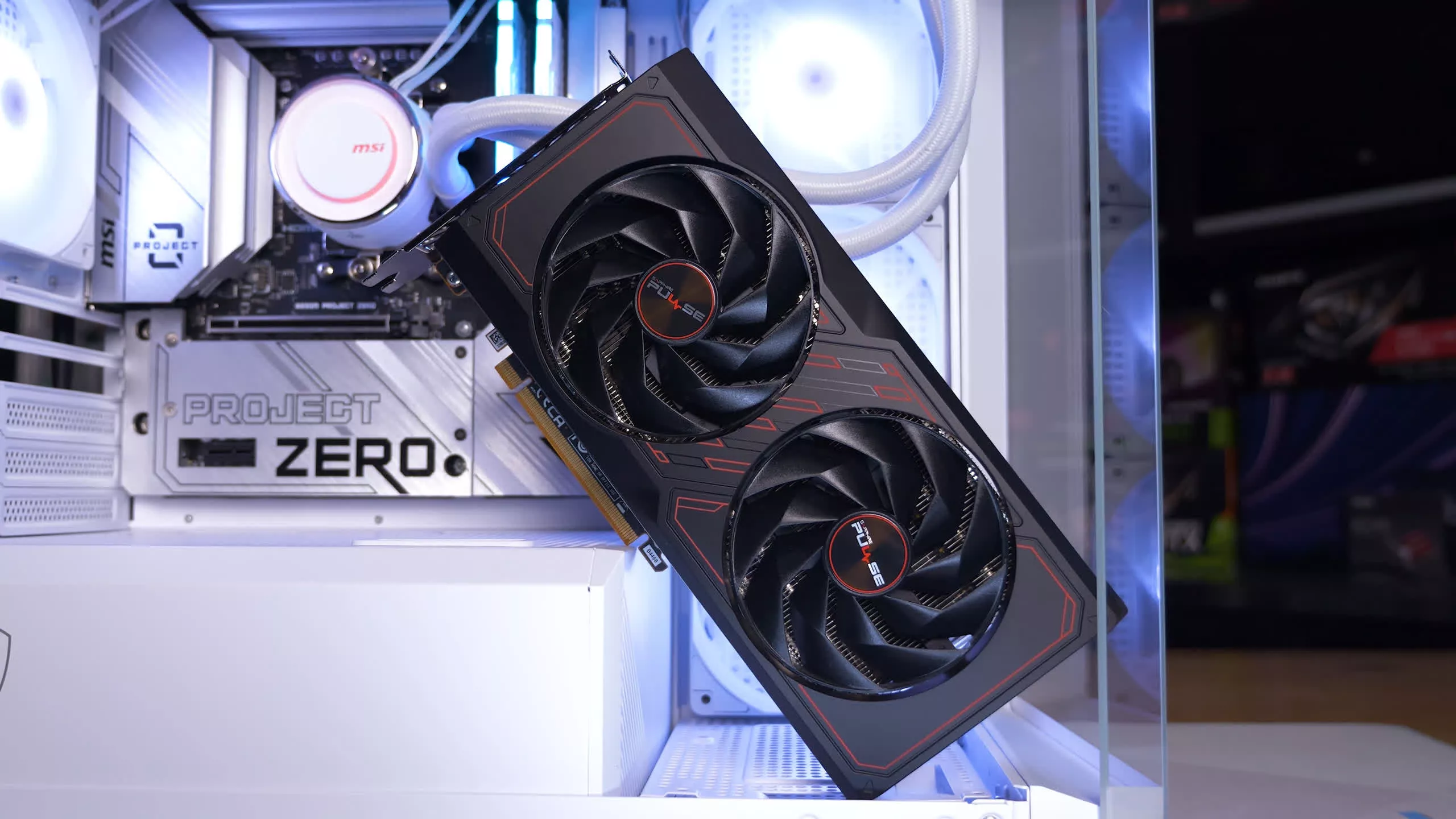
This does not mean DGF alone will solve AMD’s ray tracing gap. Performance still depends on hardware design, drivers, developer support, upscaling, and how games use the technology. Still, it shows AMD is looking beyond raw compute and focusing on smarter rendering efficiency.
For players, the real impact will depend on how widely developers adopt the technology and how well future RDNA GPUs support it. If it works as intended, AMD could offer better ray tracing performance without relying only on larger chips or higher power draw.


Discussion (0)
Be the first to comment.