



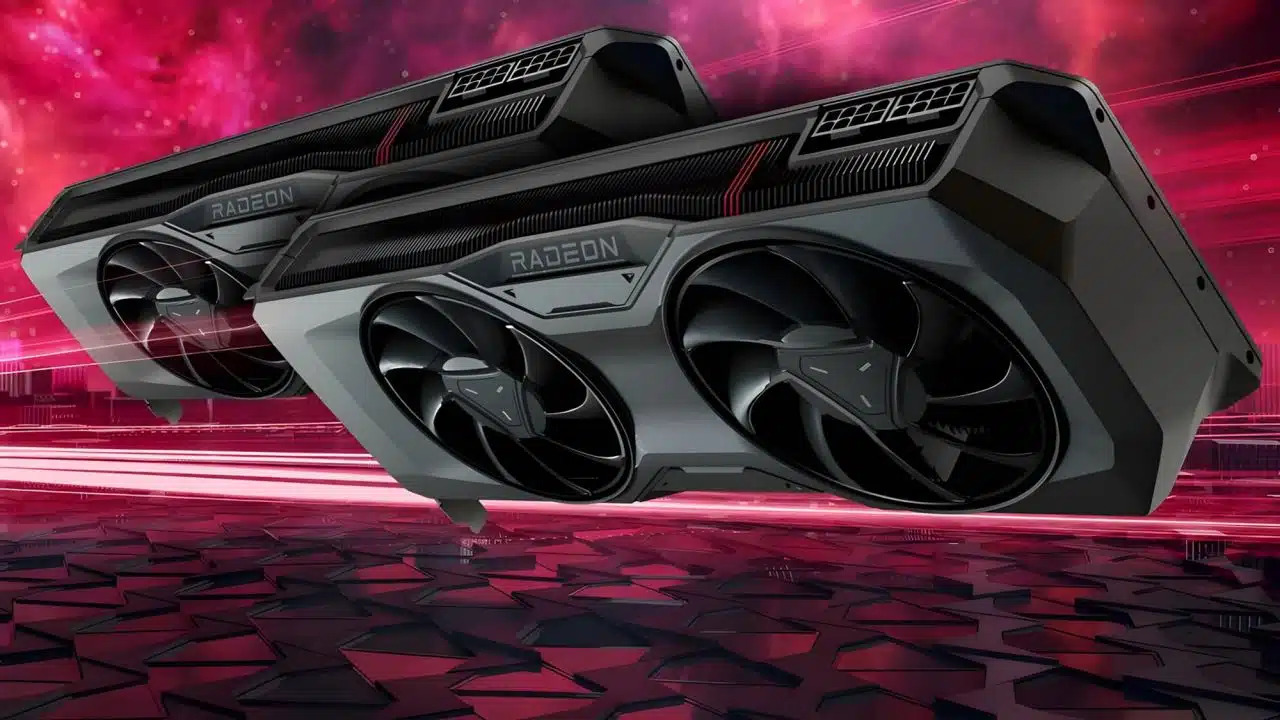
AMD has started preparing Linux support for its next generation RDNA 5 graphics architecture by submitting early Display Core Next 6 patches to the Linux kernel development process.
The new code introduces the basic framework for DCN6, which is expected to become the display engine used by future RDNA 5 graphics products. The patches also connect DCN6 with AMD’s GFX13 graphics architecture, providing one of the earliest software references to the company’s next GPU generation.
The initial work does not reveal product names, performance targets, launch dates, or detailed display specifications. It mainly establishes the underlying structure needed before AMD can add broader hardware support in future updates.
DCN6 Is Linked to the GFX13 Architecture
AMD’s code associates Display Core Next 6 with GFX13, the graphics engine expected to power RDNA 5.
The Display Core Next system handles the display side of AMD graphics hardware. Its responsibilities include monitor connections, display output, refresh rates, resolutions, and other functions required to present an image.
Each major graphics generation normally introduces a newer version of the display engine. The appearance of DCN6 therefore provides another indication that RDNA 5 hardware and its supporting software are moving through active development.
| Component | Expected role |
|---|---|
| RDNA 5 | AMD’s next generation graphics architecture |
| GFX13 | Graphics engine linked to RDNA 5 |
| DCN6 | New display engine for output and monitor support |
| AMDGPU | Open source Linux graphics driver |
| Linux kernel patches | Early software framework for future GPUs |
The patches add DCN6 to the driver’s list of recognised display engine versions. They also introduce code paths that allow the driver to identify hardware using the new architecture.
This is an early step rather than complete driver support. A graphics card needs many additional components before it can operate correctly under Linux.
Early Patches Do Not Reveal GPU Specifications
The submitted code does not contain clear information about specific Radeon models.
There are no confirmed details about compute units, clock speeds, memory interfaces, power consumption, ray tracing performance, or manufacturing technology. The patches also do not show which desktop, laptop, workstation, or integrated graphics products will use GFX13.
| Detail | Status |
|---|---|
| GPU model names | Not revealed |
| Compute unit counts | Not revealed |
| Memory type | Not revealed |
| Performance targets | Not revealed |
| Display standards | Not revealed |
| Launch timing | Not revealed |
| Linux groundwork | Confirmed by the patches |
Driver code can sometimes provide early clues about unreleased hardware, but these initial additions are too limited to support detailed conclusions.
The main significance is that AMD is beginning the software enablement process before the hardware reaches the market.
More Linux Support Should Arrive Gradually
A complete Linux graphics driver requires support for many parts of the GPU.
Future updates are likely to add display functionality, power management, multimedia acceleration, memory handling, performance monitoring, and hardware specific optimisations.
| Driver area | Main purpose |
|---|---|
| Display support | Controls monitors, resolutions, and refresh rates |
| Power management | Adjusts clocks, voltage, and energy use |
| Multimedia | Handles video decoding and encoding |
| Memory management | Allocates and moves graphics memory |
| Compute support | Enables GPU computing workloads |
| Performance tuning | Improves speed and efficiency |
| Debugging tools | Helps developers diagnose hardware issues |
AMD usually introduces support in stages. Basic architecture identifiers can appear first, followed by larger patches as the hardware design becomes more stable.
This gradual approach allows the code to be reviewed and tested within the open source Linux ecosystem before the products launch.
Early Driver Work Can Improve Launch Readiness
Starting Linux development early can help ensure that future Radeon GPUs work properly when they become available.
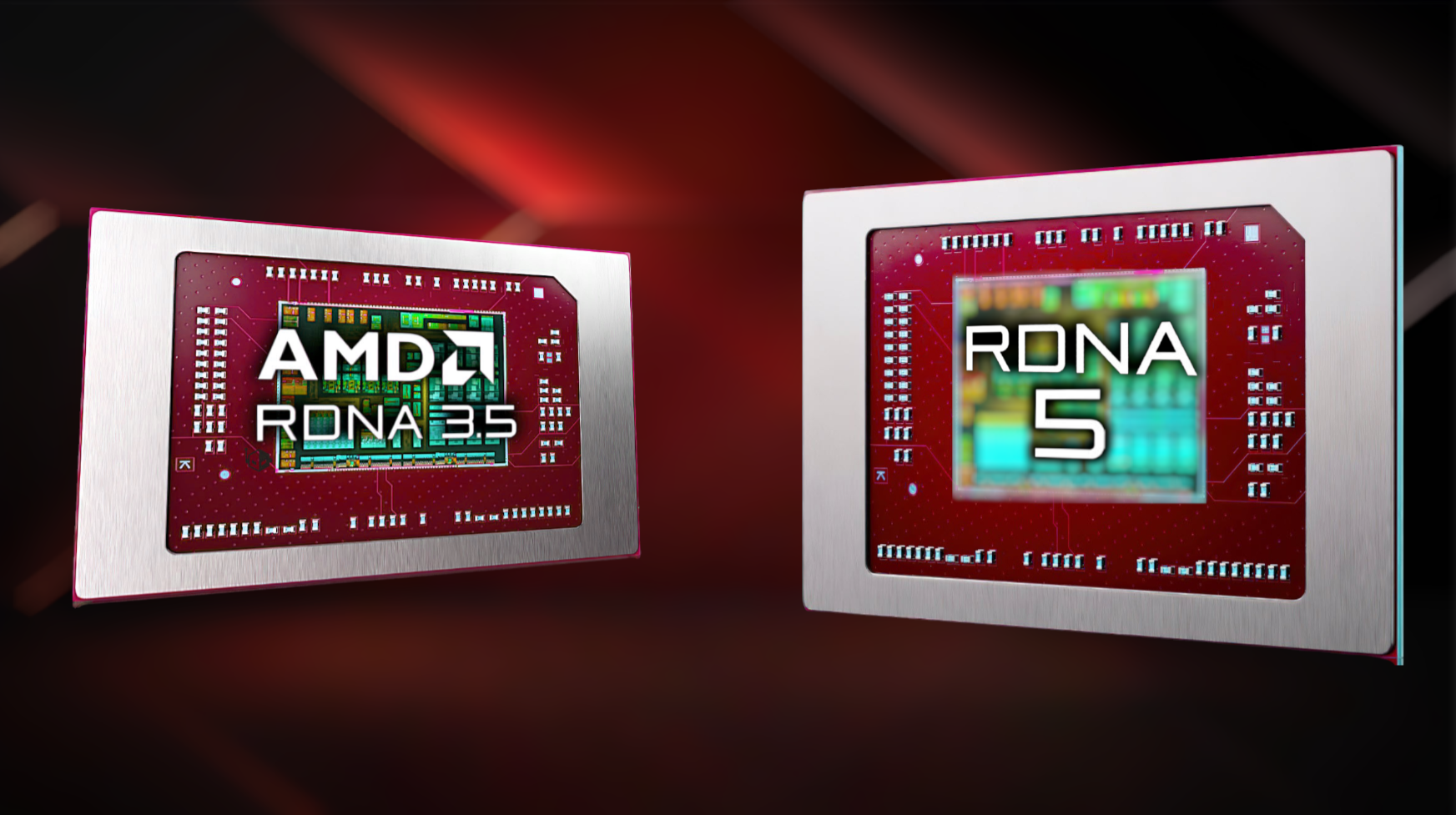
Linux support depends on several pieces of software, including the kernel driver, firmware, Mesa graphics libraries, Vulkan components, and application level tools. Each part may require updates for a new architecture.
If those changes are completed before launch, buyers have a better chance of receiving working display output, hardware acceleration, gaming support, and power management from the beginning.
Delayed software support can lead to missing features, poor performance, or installation problems. Early patches reduce that risk, although they do not guarantee a completely smooth launch.
AMD’s open source approach also allows Linux developers to inspect the code and help identify problems during development.
DCN6 Will Control Future Display Features
The display engine is separate from the main graphics rendering hardware, but it remains an important part of the overall design.
It manages how completed frames are sent to connected monitors. It can also influence support for high refresh rates, multiple displays, variable refresh technology, HDR, and display compression.
The current patches do not confirm which of these capabilities DCN6 will introduce or improve.
AMD may reveal more through later code submissions, particularly when display timing, link management, and connector support are added.
Possible areas of development could include newer DisplayPort or HDMI features, improved power efficiency, and support for higher resolution displays. However, the available code does not confirm any of those changes.
RDNA 5 Development Is Becoming More Visible
The connection between DCN6 and GFX13 strengthens the expectation that RDNA 5 development is advancing behind the scenes.
Software preparation usually begins well before a graphics card reaches stores because drivers must be ready for engineering samples, internal testing, and platform validation.
The appearance of early Linux code does not indicate that launch is close. Major hardware architectures can appear in driver patches many months before commercial availability.
| Development stage | What the patches suggest |
|---|---|
| Architecture planning | Already established |
| Basic Linux identification | Beginning to appear |
| Display framework | Early groundwork submitted |
| Full feature support | Still incomplete |
| Product announcement | Not confirmed |
| Retail launch | Not confirmed |
AMD is likely to submit additional patches over the coming months as more parts of the architecture are prepared for public development.
The DCN6 additions are therefore best understood as an early software milestone. They confirm that Linux support for GFX13 and RDNA 5 is beginning to take shape, but they do not yet reveal what the final graphics cards will offer.



Discussion (0)
Be the first to comment.