



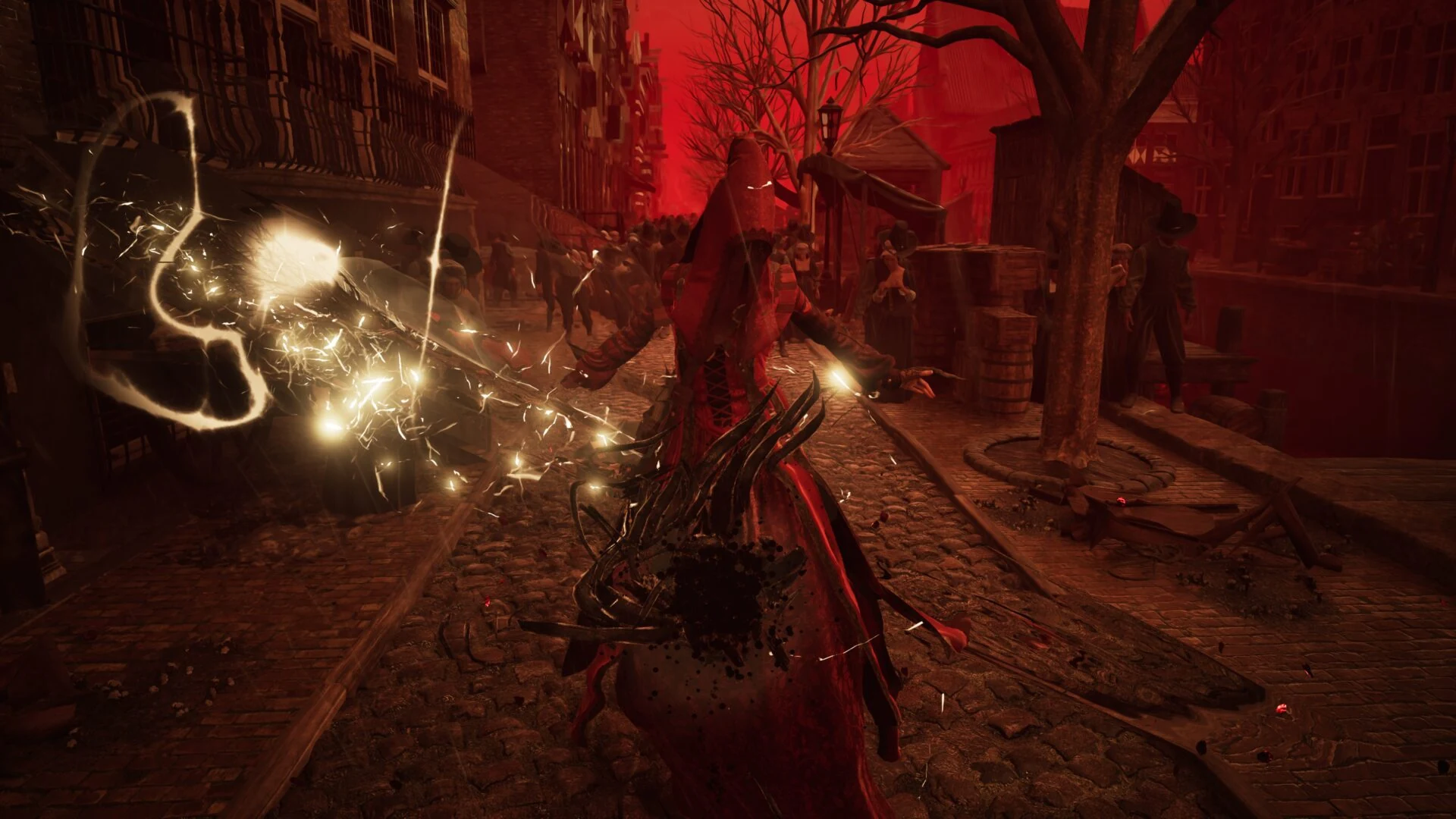
1666: Amsterdam has finally reached players after a development history stretching back more than a decade, and creator Patrice Désilets says the current early access version is only the beginning.
The historical action adventure is being developed by Panache Digital Games, a studio of roughly 70 people. The team plans to expand the game through four major early access phases before reaching version 1.0, which Désilets says is still at least a year away.
Console versions are also planned for the full release, and a Nintendo Switch 2 port is considered a real possibility.
| Detail | 1666: Amsterdam |
|---|---|
| Developer | Panache Digital Games |
| Creative director | Patrice Désilets |
| Current status | Early access |
| Engine | Unreal Engine 5 |
| Team size | Around 70 people |
| Early access roadmap | Four major phases |
| Version 1.0 | At least one year away |
| Console release | Planned |
| Nintendo Switch 2 | Possible |
| Final product uses AI generated content | No |
The Game Has Been in Development Since 2010
The origins of 1666: Amsterdam go back to 2010, when Désilets began developing the project after leaving Ubisoft Montreal.
Development stopped after THQ collapsed in 2013 and Ubisoft acquired THQ Montreal and its assets.
Désilets later regained the rights to the 1666: Amsterdam intellectual property through a settlement in 2016, although he did not recover the original code.
That meant the modern version had to be rebuilt.
Panache Digital Games eventually returned to the project after releasing Ancestors: The Humankind Odyssey in 2019.
Early Access Will Expand Through Four Main Phases
The current build is not intended to represent the complete game.
Panache has created a roadmap containing four major development phases.
These updates will add more story content, districts, enemies, and other systems as development progresses.
Smaller updates, fixes, and balance adjustments are also planned between the larger releases.
Désilets says the core structure of the game is already in place, so early access is being used primarily to refine systems, respond to feedback, and complete content the studio has already planned.
The team is also leaving room to incorporate useful community suggestions.
Nintendo Switch 2 Is Under Consideration
Version 1.0 is expected to arrive on consoles as well as PC.
When asked specifically about Nintendo Switch 2, Désilets said there is a good chance the platform will be included.
That is not a formal confirmation, so a Switch 2 version should still be treated as a possibility rather than a guaranteed release.
No console launch dates have been announced.
The Story Now Focuses on a Witch
The modern version differs substantially from the original concept developed at THQ.
The earlier design reportedly centered on the Devil's Apprentice.
The current game instead stars Noa Brooklyn, a witch operating in Amsterdam in 1666.
Another major character, Aaron, comes from 1999.
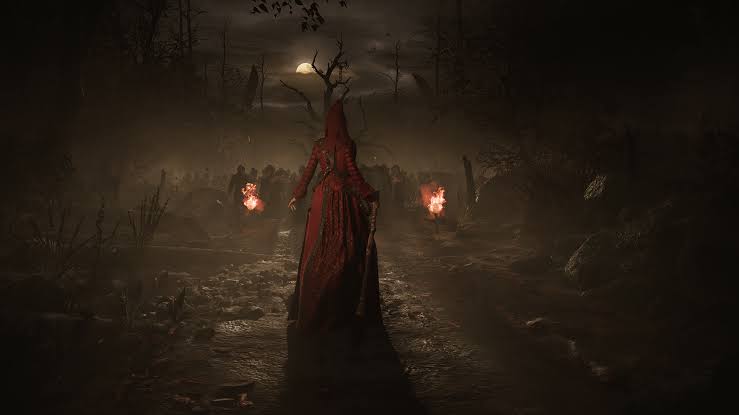
The story connects these periods through supernatural mechanics and a third timeline involving characters studying a mysterious book in the present.
Noa and Aaron can also appear as cats in one another's time periods, creating a link between the game's possession and scouting mechanics.
Amsterdam Is Historically Inspired, Not Fully Accurate
Panache is using historical research for architecture, scale, and atmosphere, but the game is not intended to function as a strict historical reconstruction.
Magic is a central part of the setting, which gives the developers room to alter historical events.
For example, the game includes a witch hunt in 1666 even though the final witch trial in the Netherlands occurred much earlier.
Some streets have also been invented to better support gameplay.
The focus is on individual districts rather than recreating the entire city.
Panache says players can enter every house within the current district.
More Districts Will Be Added Over Time
Future early access updates will add additional areas.
Movement between districts will be tied to story progress.
Players must identify people linked to a supernatural pact made centuries earlier and seal their magic before moving on.
The current build does not yet allow unrestricted travel back to completed districts, although that feature is expected to be added relatively soon.
Panache Says No AI Is Used in the Final Game
Désilets also addressed the studio's use of AI tools.
Panache used AI during prototyping and preproduction, but says those tools have since been removed from the production pipeline.
According to Désilets, the final game does not contain AI generated content.
He described the released work as being produced by the studio's roughly 70 developers.
Panache Calls Itself a Triple I Studio
Désilets does not consider Panache a traditional AAA developer.
With roughly 70 employees, the studio is larger than many small independent teams but far smaller than companies building blockbuster games with several hundred developers.
He prefers the term triple I.
That size influences the game's scope, fidelity, and production decisions.
The studio is still aiming for an ambitious open environment, but it has to build around the limits of a much smaller team.
Version 1.0 Is Still Some Distance Away
Désilets says the current plan is to spend at least another year developing the game before the full release.
The studio already has additional major content in production and does not intend for the game to remain in early access indefinitely.
The final version is also expected to mark the point when console releases become available.
After a development history that began in 2010, stopped because of THQ's collapse, went through a legal dispute, and eventually restarted from scratch, 1666: Amsterdam has finally entered the stage where players can directly influence its remaining development.



Discussion (0)
Be the first to comment.