



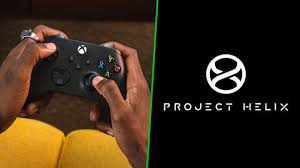
Microsoft is still not ready to say when its next Xbox console will launch, and now we know one reason why. Xbox CEO Asha Sharma has said that rising memory costs could affect both the price and availability of Project Helix, the codename for Microsoft’s next-generation Xbox hardware.
The comment came during a Game File interview with Stephen Totilo. Sharma explained that hardware planning depends on many moving parts, and memory pricing is one of them. She also said Microsoft is not ready to share a launch timeline yet.
Microsoft wants Project Helix to play console and PC games, but that goal could make pricing harder
Project Helix is not being positioned as a simple Xbox Series X successor. Microsoft has described the next Xbox as part of a wider plan where the platform can play console and PC games. Game File also notes that Sharma announced the Project Helix codename early in her time as Xbox CEO, making it one of her first major hardware signals.
That ambition could make the price question more complicated. If Project Helix is designed to feel more powerful and more flexible than a normal console, it may need stronger hardware. More memory, faster storage, and better overall performance can all increase costs.
At the same time, Xbox is trying to rebuild trust with players. Sharma has already spoken about making Xbox more affordable, and Microsoft recently reduced Game Pass pricing after admitting it had become too expensive for many users. Game File reported that Sharma wants Microsoft to spend time not only on performance and play time, but also on finding ways to offer more affordable hardware, software, and services.
| Project Helix issue | Why it matters |
|---|---|
| Memory costs | They can affect the final price and stock levels |
| Development kits | They are expected to go out next year, showing the console is still in progress |
| PC game support | It may make the device more useful, but also raises hardware expectations |
| Launch timing | Microsoft may wait until costs and supply are easier to manage |
The development kit detail gives some rough context. Sharma said dev kits are going out next year, but she did not connect that to a final release date. Windows Central points out that Xbox Series X and Series S development kits arrived in late 2019 before those consoles launched in November 2020. That makes a late 2027 release possible on paper, but it is still only an estimate.
A 2028 launch may also make sense if Microsoft wants to avoid a high price or weak supply. A console can have strong specs, but if it launches too expensive or is hard to find, it risks losing momentum early.
Project Helix is becoming one of the most important tests for Xbox’s new direction. Microsoft wants Xbox to be more open, more flexible, and more affordable, but hardware is where those promises become real. If the next Xbox is too expensive, the “affordable” message becomes harder to sell. If Microsoft lowers the specs too much, the console may not feel next-gen enough.
For now, Sharma’s message is cautious. Project Helix is moving forward, but Microsoft is watching the market before making firm promises. That may disappoint fans who want a date, but it may also be the safer choice for a console that needs to get both performance and pricing right.


Discussion (0)
Be the first to comment.