



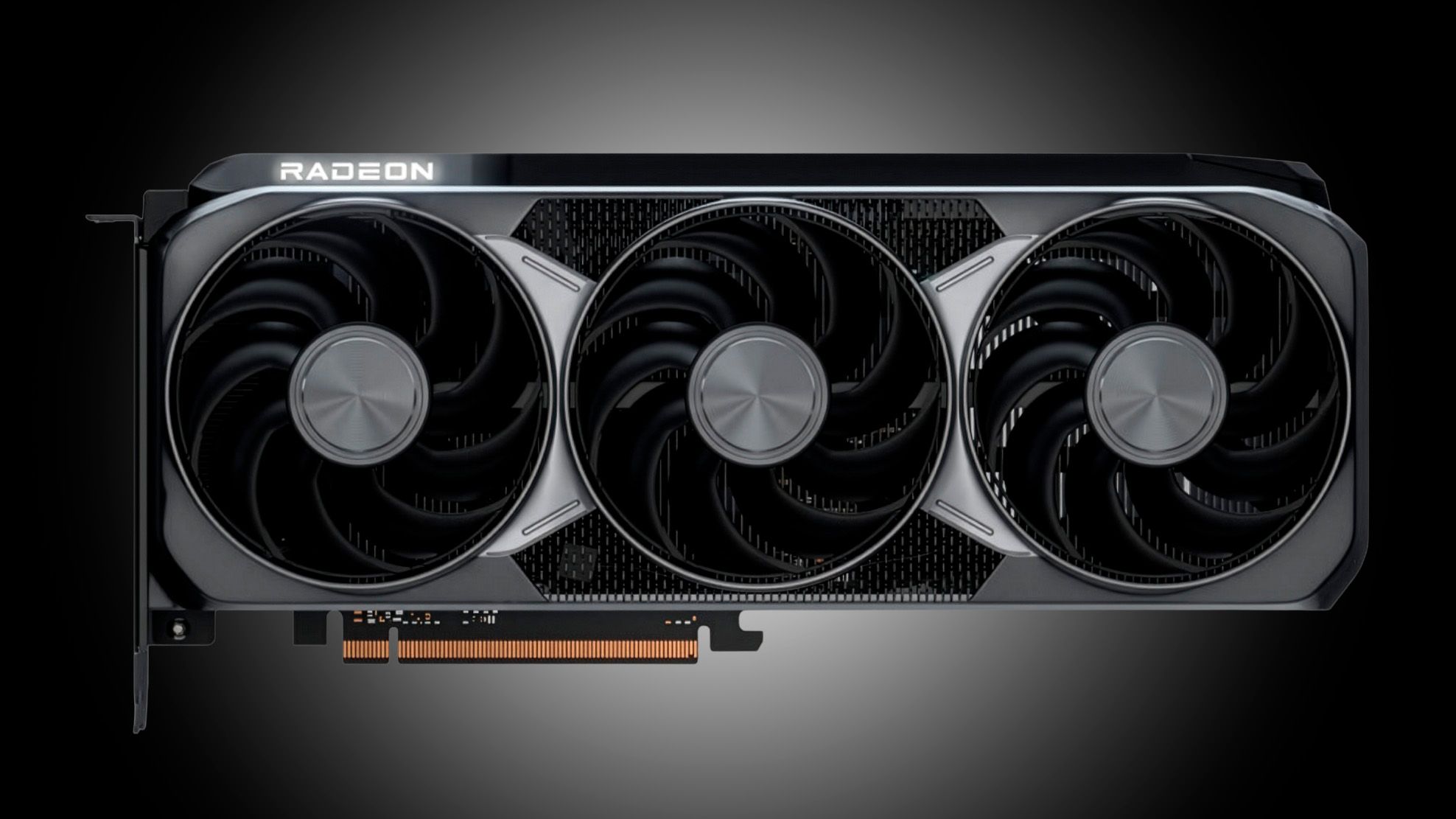
AMD is reportedly preparing to raise the price of Radeon graphics components sold to its board partners, which could make RX 9000 series graphics cards more expensive at retail.
The unconfirmed report claims AMD will increase the cost of GPU and video memory packages by around 10 percent. These packages are sold to manufacturers such as Sapphire, PowerColor, and XFX, which use them to produce complete graphics cards.
A 10 percent increase at the supplier level does not necessarily mean store prices will rise by exactly 10 percent. Board partners must also account for cooling systems, circuit boards, power components, shipping, retailer margins, and regional taxes.
The final increase for buyers could therefore be smaller or larger depending on the model, manufacturer, and remaining inventory.
AMD Reportedly Delayed the Increase Until August
AMD is said to have considered raising prices in June 2026 but delayed the change while existing graphics card inventory remained in the distribution channel.
The company was also reportedly concerned about buyer sensitivity to higher prices. PC hardware costs have already increased during 2026 because of expensive memory, limited component supply, and stronger demand from artificial intelligence companies.
Existing cards manufactured with previously purchased components may remain available at current prices until retailers sell through their inventory. Newer shipments produced after the reported increase would be more likely to cost more.
| Reported detail | Information |
|---|---|
| Company | AMD |
| Products affected | Radeon graphics cards |
| Supplier price increase | Around 10 percent |
| Components involved | GPU and video memory bundles |
| Direct customers | Graphics card board partners |
| Earlier planned timing | June 2026 |
| Expected market timing | August 2026 |
| Official confirmation | None |
The report comes from industry channel discussions in China rather than a public AMD announcement. The information should therefore be treated as a rumor until AMD or its partners confirm new pricing.
Radeon Cards Currently Undercut Similar GeForce Models
Radeon RX 9000 cards currently offer a noticeable price advantage over several competing NVIDIA products.
The Radeon RX 9070 GRE has been available for around $549, while the least expensive GeForce RTX 5070 models have appeared closer to $630.
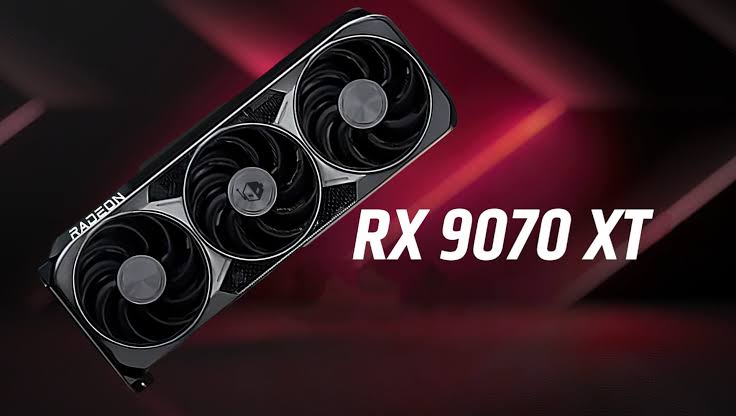
Standard Radeon RX 9070 cards have sold for approximately $640. The faster RX 9070 XT has been available for around $689, while some GeForce RTX 5070 Ti cards have reached about $950.
| Graphics card | Reported current price |
|---|---|
| Radeon RX 9070 GRE | Around $549 |
| GeForce RTX 5070 | Around $630 |
| Radeon RX 9070 | Around $640 |
| Radeon RX 9070 XT | Around $689 |
| GeForce RTX 5070 Ti | Around $950 |
These prices can change quickly and may vary by retailer, model, and region. They still show why Radeon cards have become attractive to buyers looking for strong gaming performance without paying current GeForce prices.
The reported adjustment could move Radeon products closer to the market position of comparable NVIDIA cards. AMD may retain a price advantage, but the gap could become smaller.
Memory Costs Are Affecting GPU Production
Video memory is one of the main factors behind the potential increase.
Modern graphics cards require several high speed memory chips, and their cost has risen as suppliers allocate more production capacity to artificial intelligence accelerators, data centre hardware, and other high margin products.
AMD board partners usually purchase the graphics processor and approved memory as a combined package. When the cost of that package rises, manufacturers have limited options for avoiding the increase.
They may reduce margins temporarily, increase retail prices, or adjust production toward models that remain more profitable.
Entry level and midrange cards can be particularly sensitive because they have less room to absorb higher component costs. Premium models carry larger retail margins, although their expensive memory configurations can also create substantial increases.
Retail Prices May Not Change Immediately
Buyers may not see higher prices as soon as AMD changes its partner pricing.
Distributors and stores may still hold cards purchased at earlier costs. Those products can continue selling near current levels until stock is replaced.
Some retailers may also raise prices early if they expect replacement inventory to cost more. Others may discount older models to clear shelves before receiving updated shipments.
Regional supply will influence the timing. Markets with large inventories may keep current prices for longer, while areas with limited availability could react more quickly.
Specific models could also move differently. Cards with 16GB of memory may experience greater pressure than products with smaller memory capacities if video RAM accounts for a larger portion of manufacturing cost.
Higher Prices Could Hurt the PC Upgrade Market
The reported increase arrives during a difficult period for people building or upgrading gaming PCs.
Memory, storage, processors, graphics cards, and laptops have all faced pricing pressure during 2026. If several components rise at the same time, the cost of a complete system can increase substantially even when each individual change appears moderate.
Graphics cards are already one of the most expensive parts of a gaming PC. Further increases could encourage buyers to keep older hardware, purchase used cards, or choose lower performance models.
Some people may also delay upgrades until supply improves. That could reduce demand for other PC components because customers who postpone a graphics card purchase may also avoid buying a new processor, motherboard, or power supply.
AMD has benefited from offering Radeon cards below comparable GeForce prices. Maintaining that advantage could remain important as buyers become more cautious about hardware spending.
For now, the proposed 10 percent supplier increase has not been officially confirmed. Current Radeon prices may remain available while older inventory lasts, but anyone already planning to buy an RX 9000 series card may want to watch retailer pricing and stock levels closely during August 2026.



Discussion (0)
Be the first to comment.