



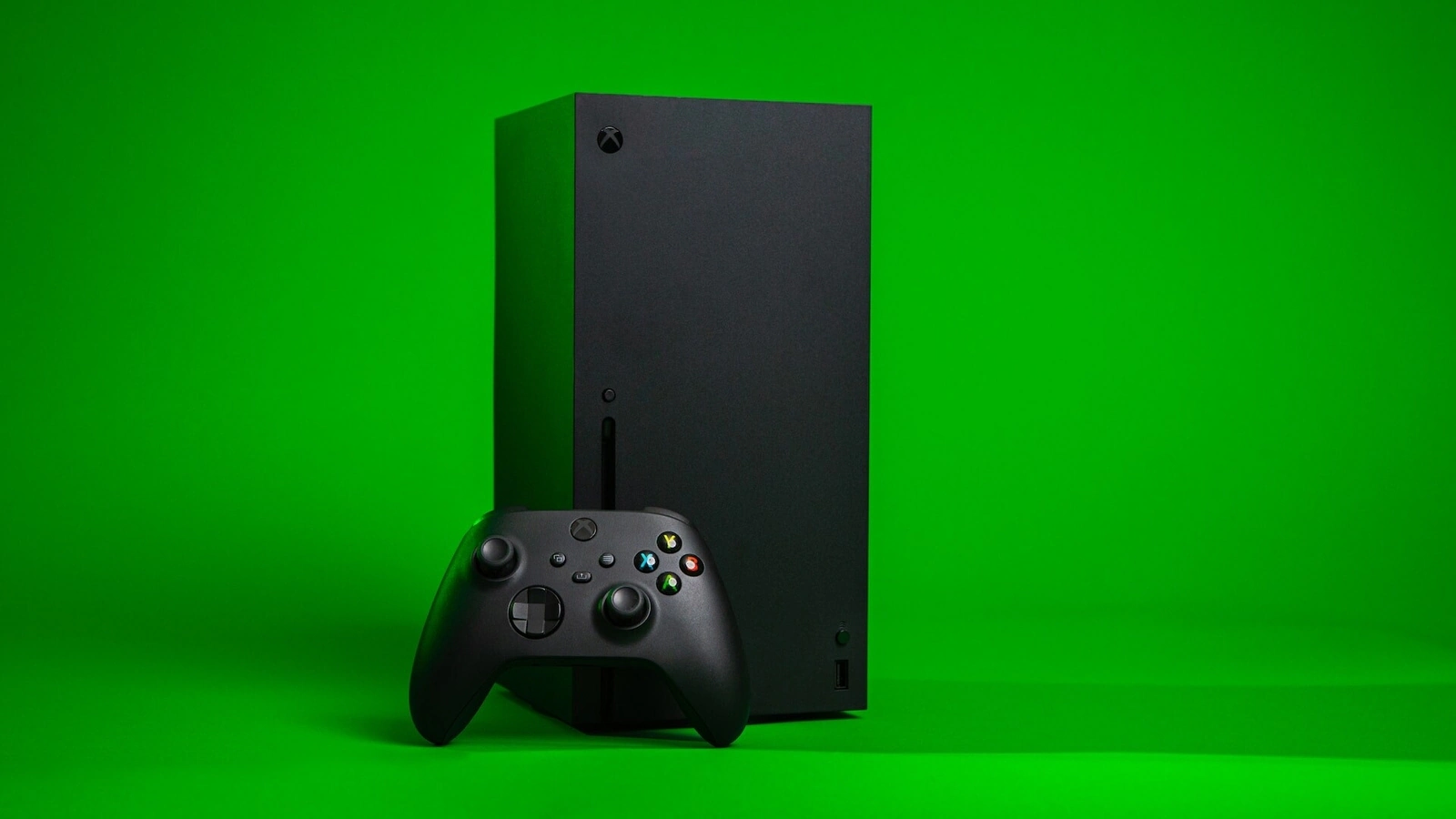
Microsoft’s next-generation Xbox, known for now as Project Helix, is already facing a real-world challenge before the company is ready to talk about its launch date.
Xbox CEO Asha Sharma has said that rising memory costs could affect both the price and availability of the new console. The comment came during a Game File interview with Stephen Totilo, where Sharma was asked about Project Helix and the wider market problems around memory supply.
Sharma did not give a release window for the console. Instead, she said Microsoft is still thinking through the full equation. In simple terms, the company has to balance performance, price, supply, and timing before it can commit to a launch plan.
Microsoft wants Project Helix to be powerful, but the company also has to avoid making the next Xbox too expensive
Project Helix is expected to be an important product for Xbox. Microsoft has described its future hardware as a way to bring console and PC gaming closer together, and Sharma said her main focus is building a great console that can play great games, including PC games.
That sounds exciting, but it also creates a difficult pricing problem. A more powerful console needs strong components, and memory is one of the parts that can push costs higher. If memory prices keep rising, Microsoft may have to choose between launching at a higher price, reducing supply, waiting longer, or finding ways to control costs.
Here is what could affect Project Helix:
| Factor | Why it matters for Project Helix |
|---|---|
| Memory costs | Higher costs can raise the final price of the console |
| Component supply | Shortages can limit how many units Microsoft can produce |
| Launch timing | A delay could help Microsoft wait for better prices or more stable supply |
| PC game support | Stronger hardware may be needed if Xbox wants to support more PC-style gaming |
| Consumer trust | Xbox needs a smooth launch after years of mixed messaging around the brand |
Sharma also confirmed that development kits are expected to go out next year. That does not mean the console will launch immediately after that, but it does give players a rough idea of where Microsoft is in the process. For comparison, Xbox Series X and Series S development kits reportedly arrived in late 2019, and those consoles launched in November 2020.
If Microsoft follows a similar path, a late 2027 launch could be possible. However, that is only an estimate. Sharma made it clear that Microsoft is not ready to announce a launch timeline yet, and rising memory costs could make 2028 feel more realistic if the company wants to avoid a high price.
This matters because Xbox is not only trying to release another box under the TV. It is trying to rebuild confidence in the Xbox brand. Under Sharma, Microsoft has already started changing Game Pass, returning to the Xbox name, and talking more openly about its future. Project Helix may become the biggest test of that reset.
A powerful console is important, but price may matter just as much. If Project Helix is too expensive, it could struggle to reach the wider audience Microsoft wants. If it launches with limited stock, early buyers could become frustrated. And if it arrives too late, Xbox may lose more ground to rivals.
For now, Microsoft seems to be taking a careful approach. Project Helix is coming, but the company is not rushing to put a date on it. That may be frustrating for fans, but if memory costs are still unstable, waiting could be the safer move.
Discussion (0)
Be the first to comment.