



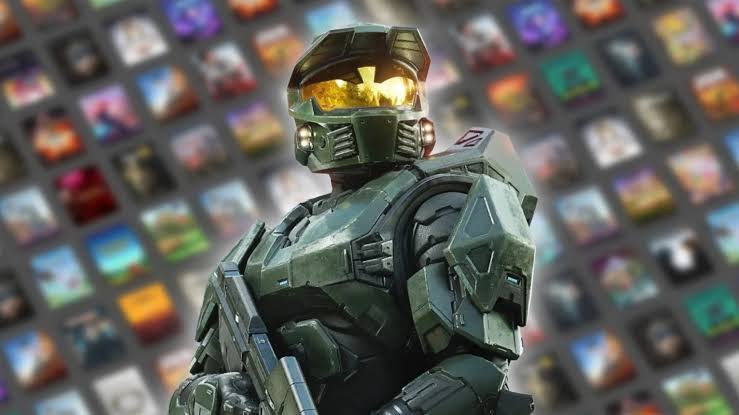
Xbox’s long running bet on Game Pass is facing sharper criticism after another major wave of layoffs across Microsoft’s gaming division. The subscription service was once positioned as the center of Xbox’s future, but recent reports suggest its growth has slowed enough to force a broader rethink of the company’s strategy.
Microsoft spent more than $80 billion on gaming acquisitions while also paying large sums for third party Game Pass deals. The goal was clear: build a gaming subscription service with enough content to become the Netflix of games. For years, that idea shaped Xbox’s messaging, acquisitions, and release planning. Now, the model looks far less certain.
The problem is that games do not behave like films or TV shows. A streaming service needs a constant flow of watchable content because most viewers finish a series or movie and move to the next one. Games are different. Many players buy only a few titles per year, then spend dozens or hundreds of hours inside them. Free to play games also take up a large share of player time without needing a subscription at all.
That difference makes it harder for a paid gaming subscription to become essential for most players. Game Pass can be excellent value for people who sample many games, but that audience may not be large enough to support the scale Microsoft was chasing.
Game Pass growth appears far below Microsoft’s original target
When Game Pass launched in 2017, Xbox reportedly aimed for 77 million active subscribers by fiscal year 2026. The latest reported figure is far below that target. Game Pass is now said to have around 30 million subscribers, down from the 34 million Microsoft had last confirmed two years earlier.
That reported decline is important because subscription services depend heavily on growth. If subscriber numbers flatten or fall, the cost of adding major day one games becomes harder to justify. Microsoft’s own decisions already show that pressure. The company reportedly lost around $300 million by placing Call of Duty on Game Pass, and it has since moved away from that approach.
| Xbox strategy point | Reported result |
|---|---|
| Original Game Pass target | 77 million active subscribers by fiscal year 2026 |
| Reported current subscribers | Around 30 million |
| Previously confirmed figure | 34 million two years earlier |
| Acquisition spending | More than $80 billion |
| Third party Game Pass spending | Around $1 billion per year |
| Reported Call of Duty impact | Around $300 million in lost full price revenue |
| Current direction | Less focus on Game Pass as the core Xbox strategy |
The recent layoffs make the issue more visible. Xbox has cut thousands of jobs and reportedly affected major studios such as Bethesda, Obsidian, and id Software. Some studios have been reduced, projects have been canceled or paused, and leadership appears to be redirecting money toward the biggest franchises.

That is a major change from the earlier Game Pass era, when Xbox seemed focused on filling the service with as many games and studios as possible. The new approach appears more selective. Instead of using every major release to grow the subscription base, Xbox seems more interested in franchises that can sell strongly, generate long term engagement, and justify large development costs.
This does not mean Game Pass is going away. The service still has value, especially as an add on for older games, smaller titles, back catalog access, and players who enjoy variety. But it may no longer be realistic to treat it as the main engine of Xbox’s entire business.
The lesson is simple. Subscriptions can work in gaming, but they may not work at the same scale or in the same way as video streaming. Games take longer to play, cost more to produce, and often depend on direct sales, premium editions, downloadable content, and live service revenue. Putting too much premium content into a subscription can weaken full price sales without guaranteeing enough new subscribers to make up the difference.
Xbox now appears to be moving away from the idea that Game Pass can carry everything. After years of spending, missed targets, and falling reported subscriber numbers, Microsoft’s gaming division may need a more traditional balance between subscriptions, full price releases, multiplatform sales, and stronger franchise planning. Game Pass will likely remain part of Xbox’s future, but the era of building the entire brand around it may be ending.



Discussion (0)
Be the first to comment.