



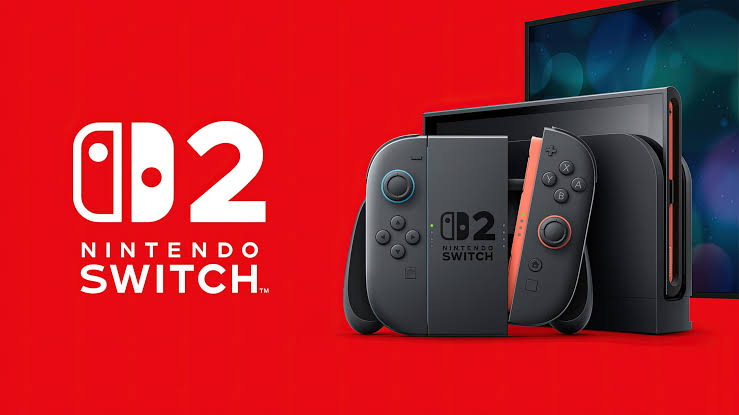
Nintendo Switch 2 still does not support Variable Refresh Rate in docked mode, but a newly spotted job listing suggests Nintendo may not have fully abandoned the feature. The system currently supports VRR only in handheld mode, despite early pre launch information pointing to broader support.
The clue comes from a Nintendo job listing for a Senior Display Engineer. The role includes work on display driver stacks for current and future products, display software compliance with standards, and research into new display technologies that could be deployed across widely used gaming hardware. The listing does not directly mention Switch 2 docked VRR support, but one preferred qualification stands out: knowledge of display technologies such as HDR and VRR.
That wording is not confirmation that docked VRR support is coming. It does, however, suggest Nintendo is still investing in display related software and hardware features where VRR expertise matters. Since Switch 2 already supports VRR on its built in display, the missing piece is external display support through the dock.
Docked VRR would fix one of Switch 2’s most visible display limitations
VRR is important because it lets a display adjust its refresh rate to match the frame output of the console. When implemented well, it can reduce screen tearing, smooth out uneven frame pacing, and make games feel more stable even when they cannot hold a perfectly locked frame rate. This is especially useful for demanding games that target 40, 60, or higher frame rates but occasionally fluctuate.
For Switch 2, docked VRR would matter because many players use the console on a television or monitor. If the handheld screen already supports VRR but the docked experience does not, then one of the system’s useful display features becomes limited to portable play.
| Feature | Current Switch 2 situation |
|---|---|
| Handheld VRR | Supported |
| Docked VRR | Not currently supported |
| Job listing clue | Senior Display Engineer role mentions HDR and VRR knowledge |
| Main possible benefit | Smoother frame pacing on TVs and monitors |
| Confirmation status | Not officially confirmed |
| Related hardware rumor | New LCD display revision reportedly discovered |
The job listing’s language also points beyond a single feature. Nintendo wants someone who can work on display driver stacks for current and future products. That could mean improvements for Switch 2 through firmware updates, work on revised hardware, or preparation for later devices. It may also involve broader HDR and display compliance work rather than VRR alone.
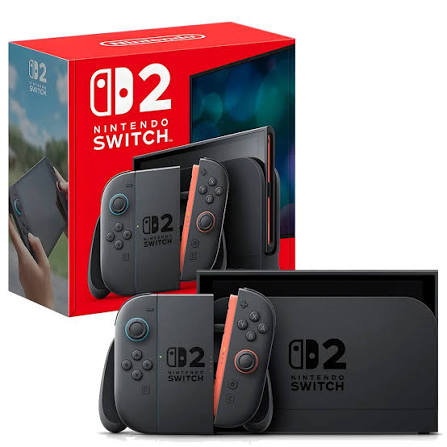
Still, the timing is notable because docked VRR has become one of the most discussed missing features on Switch 2. Players expected it before launch, and its absence was noticeable because VRR has become common on modern consoles, PCs, and gaming monitors. For a system that needs to balance performance limits against modern display expectations, VRR could help games feel smoother even without raising raw power.
There are also signs Nintendo may be working on hardware revisions. One version launching in Europe is said to include a replaceable battery, and a newly discovered LCD display design has raised questions about whether later Switch 2 units could ship with revised panels. If that happens, some players may worry about a hardware lottery, similar to past Nintendo handhelds where different screen suppliers produced noticeably different results.
For now, the safest interpretation is that docked VRR remains possible, not guaranteed. A job listing cannot prove a feature is coming, and Nintendo has not made a fresh public commitment. But the company’s interest in hiring display engineering talent with VRR knowledge suggests it still sees value in the technology.
If Nintendo can add docked VRR through a future update, it would make Switch 2 more complete for players using modern TVs and monitors. It would not change the console’s raw performance, but it could make supported games look and feel smoother in real play.



Discussion (0)
Be the first to comment.