



Former Bungie veteran Christopher Barrett has settled his $200 million lawsuit against Bungie and Sony, closing a legal dispute that followed his 2024 departure from the studio. Barrett, who spent around 24 years at Bungie, had worked as Art Director on Destiny, served as one of the Game Directors on Destiny 2, and was the original Game Director for Marathon.
The lawsuit centered on Barrett’s exit from Bungie after allegations of sexual misconduct. Barrett denied the way he was portrayed and argued in court that Bungie and Sony had used him as a scapegoat for wider business problems while also avoiding payment he claimed he was owed. The full settlement terms have not been made public, so it is not clear how much money, if any, changed hands.
What is confirmed is that Barrett’s name has been added back to the credits for Marathon. A joint statement from Sony Interactive Entertainment, Bungie, and Barrett recognized his long contribution to Bungie’s games and noted that he was the original Game Director on Marathon. Barrett also said he was satisfied with the outcome and is ready to move on to the next stage of his career in gaming.
The settlement closes one dispute, but questions around Marathon’s original vision remain
The legal fight drew attention not only because of the size of the lawsuit, but also because of Barrett’s role in Marathon’s early direction. Fans have long wondered how much the final version of the game changed after his departure. Based on what Barrett had previously shared, his version of Marathon sounded more like a tense living world experience than a standard extraction shooter.
His original vision was reportedly inspired in part by Dark Age of Camelot, especially its Realm versus Realm zones where player factions could clash while also facing PvE threats. That design direction would have placed more emphasis on persistent worlds, emergent encounters, and player driven stories.
| Area | Reported detail |
|---|---|
| Lawsuit value | $200 million |
| Parties involved | Christopher Barrett, Bungie, and Sony |
| Settlement status | Resolved, with terms not fully public |
| Confirmed result | Barrett’s name restored to Marathon credits |
| Barrett’s Bungie history | Destiny Art Director, Destiny 2 Game Director, original Marathon Game Director |
| Original Marathon idea | Persistent living world with co op stories and PvP danger |
| Final game concern | Reportedly moved away from that earlier design vision |
The earlier Marathon concept reportedly included persistent servers where players could enter and extract at different times, dynamic world events, survival elements such as broken limbs and leaking gas tanks, and deep use of classic Marathon lore. It also reportedly avoided fixed hero shooter archetypes in favor of fully customizable characters.
Another key idea was that success would not depend only on fast PvP skill. Barrett’s version reportedly aimed to reward different playstyles, including non combat approaches. That would have made Marathon more flexible for players who wanted tension, exploration, teamwork, and survival decisions rather than only direct firefights.
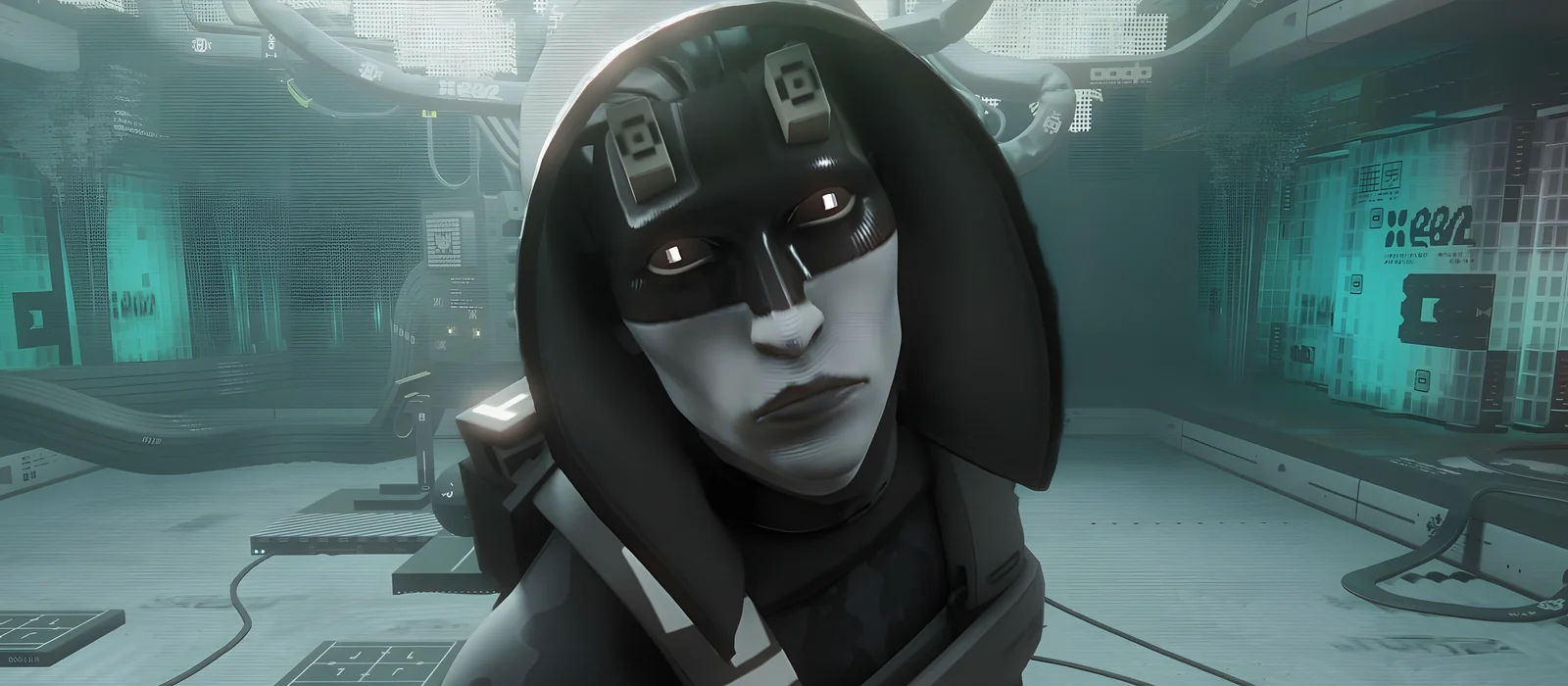
The version of Marathon that eventually launched appears to have moved in a different direction. While it received some praise, the game has reportedly struggled to build a large audience. That has kept discussion alive around what Barrett’s version might have become if it had stayed on course.
The settlement also arrives during a difficult period for Bungie. The studio has gone through layoffs, business pressure, and major questions about its future after Destiny 2’s closure. Against that backdrop, Barrett’s lawsuit became another sign of the tension surrounding Bungie’s leadership, project direction, and relationship with Sony.
For Barrett, the settlement gives him a public step toward restoring his professional standing. Getting his name back into Marathon’s credits matters because it recognizes his role in shaping the project at its earliest stage. For Bungie and Sony, the agreement ends a costly legal fight without revealing the full financial terms.
The case may be closed, but it leaves behind a larger question for players. Marathon could have been a very different game under Barrett’s original direction, with more focus on a living world, faction tension, and unpredictable player stories. Whether that version would have worked better is impossible to know, but the settlement makes clear that Barrett’s role in the project can no longer be erased from its history.



Discussion (0)
Be the first to comment.