



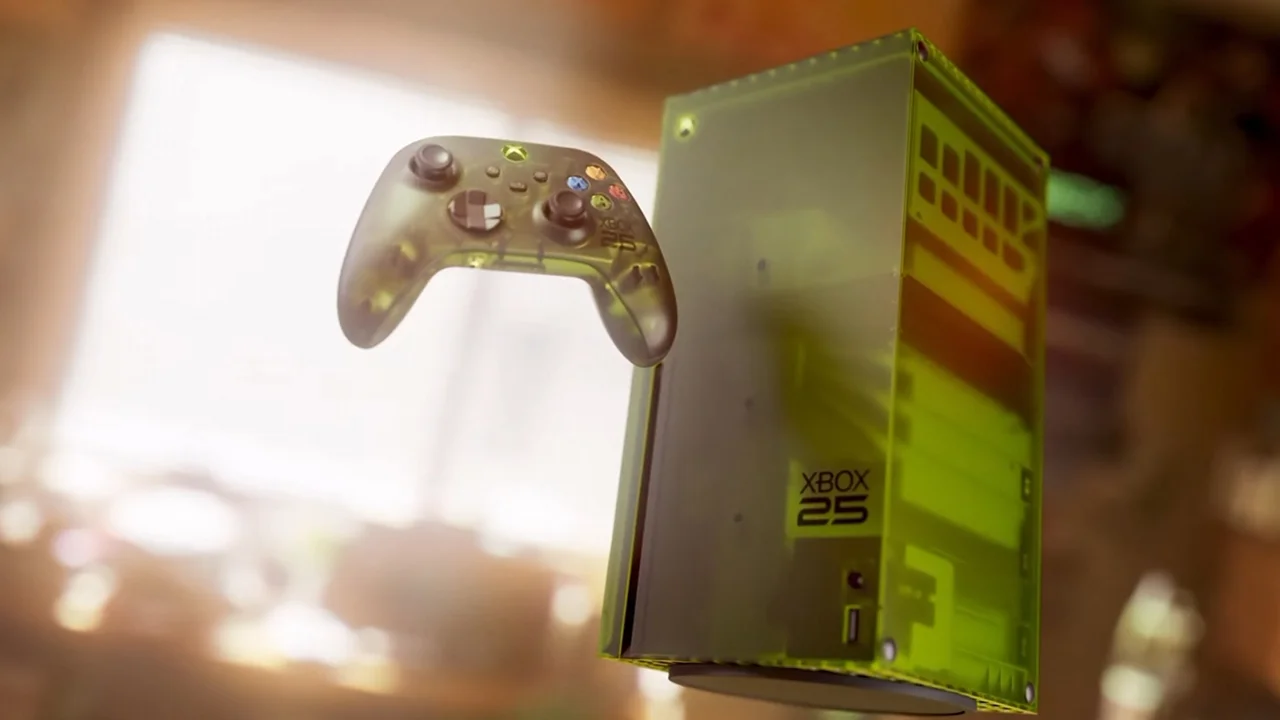
Xbox is rethinking parts of its next generation hardware strategy as rising component costs create new pressure around affordability, flexibility, and long term console design. The company still plans to ship Project Helix, its upcoming Xbox hardware, but recent comments from Xbox Chief Strategy Officer Mathew Ball suggest the final model may need to change as the market becomes harder for console makers and consumers alike.
Ball said demand for Xbox Series X and Series S consoles is currently higher than supply, adding that Microsoft is producing units as quickly as it can. That is a notable point at a time when much of the conversation around Xbox has focused on strategy shifts, Game Pass pricing, exclusives, and questions about future hardware.
The bigger issue, however, is what happens next. Project Helix has already been described as a hybrid between a console and a PC, positioned as a premium high end device. That makes pricing especially important. If memory prices, manufacturing costs, tariffs, supply issues, and other hardware pressures keep rising, a powerful next generation Xbox could become too expensive for many players.
Ball said Xbox is working hard to rethink what the console model can look like, with affordability and flexibility becoming key priorities. He also framed the current market pressure as a crisis that could have effects for the next two to two and a half years.
Project Helix is still coming, but Xbox may need to change the model
Microsoft has not canceled Project Helix. In fact, Ball said Xbox remains committed to shipping the console. The important part is that the company seems aware that a traditional next generation hardware jump may not work the same way it used to.
| Topic | Current Xbox position |
|---|---|
| Xbox Series X and S demand | Higher than supply |
| Current production | Running as quickly as possible |
| Project Helix status | Still planned |
| Hardware direction | PC and console hybrid |
| Expected market position | Premium high end device |
| Main challenge | Rising costs and affordability |
| Possible change | More flexible console model |
The challenge is simple. A premium console needs strong hardware, but strong hardware is getting more expensive. Players already saw console prices rise during the current generation, and many are increasingly cautious about spending $600, $800, or even more on new devices.
If Project Helix launches as a very expensive machine, Xbox risks narrowing its audience. That could be especially dangerous at a time when the brand is trying to rebuild trust and prove that its hardware still matters.
Xbox has to balance power with affordability
A PC console hybrid could be exciting if Microsoft gets it right. It could offer better access to Xbox games, PC libraries, cloud features, Game Pass, and a more flexible operating model. It could also help Xbox stand apart from PlayStation by offering something closer to a living room gaming PC with console simplicity.
But that kind of device is hard to price. If it leans too far into PC style hardware, it may become too expensive. If it cuts too much to stay affordable, it may not feel like a real next generation leap.

This is why Ball’s comments matter. Xbox appears to be looking for a different way forward instead of simply building a more powerful box and passing the cost to players. That could mean different hardware tiers, modular thinking, tighter integration with Windows, cloud support, or a broader device ecosystem.
Microsoft has not confirmed exactly what is changing, so those possibilities remain open. Still, the language around flexibility suggests Xbox is not treating Project Helix as a standard console generation.
Current Xbox demand gives Microsoft some breathing room
Ball’s claim that Xbox Series X and S demand is outstripping supply is important because it suggests the current consoles still have an active market. That gives Microsoft a stronger reason to keep supporting existing hardware while it works through Project Helix plans.
It also supports the argument that Xbox should not rush into the next generation if the timing is wrong. A delayed or carefully revised launch may be better than releasing expensive hardware into a market that is already sensitive to pricing.
The current generation still has room left, especially as developers continue supporting Series X and Series S. If Xbox can maintain a reliable game pipeline, improve communication, and keep hardware available, it may not need to force Project Helix out before conditions improve.
The risk is momentum. Xbox has spent years trying to define its next move, and players want clarity. Delaying too long could create uncertainty. Launching too soon at a very high price could create backlash. Microsoft needs to find the middle ground.
Project Helix could define Xbox’s next era
Project Helix is more than another console. It represents Microsoft’s attempt to reshape what Xbox hardware means in a world where games are increasingly played across consoles, PCs, cloud devices, and handhelds. That makes the stakes high.
If Xbox can make Project Helix powerful, flexible, and reasonably priced, it could give the brand a clearer identity. If the device becomes too expensive or too confusing, it could deepen concerns about Xbox’s place in the hardware market.
Ball’s comments show that Microsoft understands the pressure. The company is not pretending costs are normal or that players will accept any price. It is publicly acknowledging that the model needs work.
That honesty is useful, but the final product will matter more. Xbox still needs to show what Project Helix actually is, how it improves the player experience, and why it is worth buying in a difficult market.
For now, the message is clear. Project Helix is still alive, but Xbox is rethinking how to make it fit a changed hardware world. Rising costs may not stop the next Xbox, but they are forcing Microsoft to be more careful about what it builds and how much players will be asked to pay.

Discussion (0)
Be the first to comment.