



Xbox says it is rebuilding a more reliable pipeline of exclusive games, even if some titles sell fewer copies by staying off rival platforms. The comments come from Xbox Chief Strategy Officer Matthew Ball, who has offered one of the clearest explanations yet of how Microsoft is thinking about exclusives after years of shifting messages around multiplatform releases.
The question around Xbox exclusives has become one of the biggest issues facing the brand. Microsoft has spent the past few years bringing more of its games to other platforms, including PlayStation and Nintendo hardware. That approach may help individual games reach more players and generate more revenue, but it has also left some Xbox fans unsure about why they should stay invested in the console ecosystem.
Ball said Xbox now has an internal framework for deciding which games stay exclusive and which games go multiplatform. He also made clear that the recent exclusive announcements are not meant to be one-off decisions. According to him, Xbox wanted to point to more than one title so players would understand that the company is building a longer program rather than making a single exception.
That matters because exclusives are still important for platform identity. Even in a world where Microsoft wants Xbox to exist across consoles, PC, cloud, and other devices, console buyers still want a reason to choose Xbox hardware.
Xbox says exclusives are part of its long-term platform strategy
Ball described exclusives as important to the growth and branding of a platform. He also said Xbox wants a pipeline that validates players’ past investment in the ecosystem and keeps them as Xbox players going forward.
| Key point | What it means |
|---|---|
| Xbox has an internal exclusivity framework | Microsoft is making platform decisions through a defined strategy |
| More exclusives are planned | Recent announcements are not being presented as isolated cases |
| Some games may sell fewer units | Xbox accepts that exclusivity can reduce short term sales |
| Long term platform growth is the goal | Xbox wants exclusives to strengthen console identity |
| Previously announced multiplatform titles remain unchanged | Existing platform plans are not expected to be reversed |
The most important admission is that some exclusive games will sell fewer units than they would as multiplatform releases. That is obvious from a business standpoint, but it is still notable to hear Xbox acknowledge it openly. A game available on Xbox, PC, and PlayStation has a larger addressable market than one limited to Xbox and PC.
The question is whether Microsoft is willing to accept that short term tradeoff for long term platform health. Ball’s comments suggest the company is starting to think that way again. A strong exclusive lineup may not maximize every individual game’s sales, but it can make the platform feel more valuable and give players confidence that buying Xbox hardware still means something.
Xbox still has to prove the pipeline is real
The challenge is that words alone will not fix years of mixed messaging. Xbox has repeatedly changed how it talks about exclusivity, Game Pass, console hardware, and multiplatform releases. That has made fans more cautious when executives promise a clearer direction.
The recent Xbox showcase was strong, but it also showed why the messaging remains complicated. Gears of War: E-Day and Clockwork Revolution appear to be central examples of Xbox’s renewed focus on exclusives. At the same time, several other major Xbox backed games are still heading to PlayStation 5.
State of Decay 3 and Senua are examples of games that many Xbox fans might have expected to remain exclusive in another era. Their multiplatform releases show that Microsoft is not returning to a simple old model where most first party games stay locked to Xbox.
Instead, Xbox seems to be moving toward a selective strategy. Some games will remain exclusive because they help strengthen the console brand. Others will release more broadly because Microsoft sees a larger business opportunity.
That approach can work, but only if it is clear and consistent. If players cannot understand which games are exclusive and why, confusion will continue.
Exclusives are still tied to trust in Xbox hardware
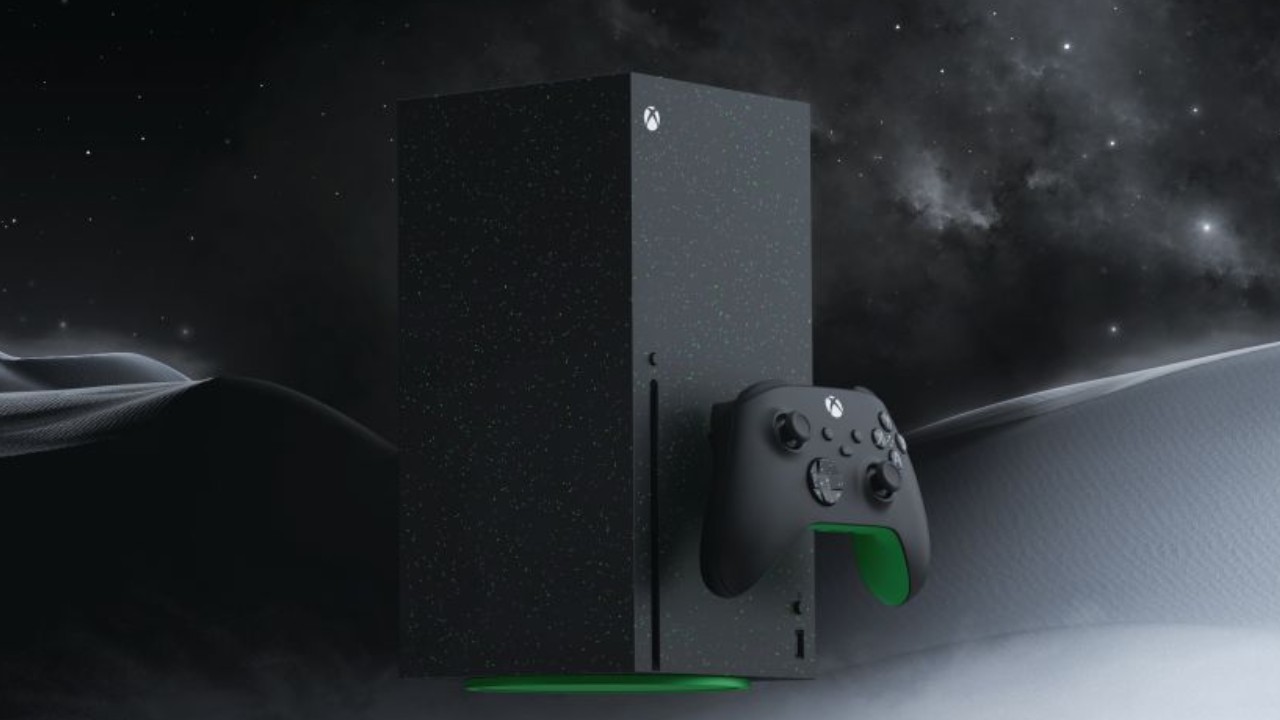
Xbox’s renewed exclusivity talk also connects to its future hardware plans. Microsoft is preparing Project Helix, its next generation Xbox device, and the company needs a strong reason for players to buy into that ecosystem. Hardware without exclusive appeal becomes harder to justify, especially if the same games are available elsewhere.
This is why Ball’s comments are important. Xbox appears to be acknowledging that exclusives are not outdated. They still shape perception. They still influence buying decisions. They still tell players what a platform stands for.
The issue is whether Microsoft can balance that with its broader ambitions. Xbox now wants to be a platform beyond a console, but the console business still depends on loyalty, identity, and confidence. Players who bought into Xbox for years want to feel that their investment matters.
A reliable exclusive pipeline could help restore some of that trust. But it needs to be more than a few isolated titles. Xbox will need to show a steady flow of games that feel meaningful, not just technically exclusive.
Xbox needs consistency more than slogans
The next few years will decide whether this strategy works. If Xbox delivers strong exclusives while also being honest about which games are going multiplatform, the brand could regain a clearer identity. If the company keeps changing course, fans may remain skeptical.
There is also a larger business tension. Microsoft owns a huge number of studios, and shareholders will want those games to reach big audiences. Keeping some games exclusive may support Xbox hardware, but it also means leaving some sales on the table. That is the tradeoff Ball is now openly discussing.
For Xbox fans, the message is cautiously encouraging. Microsoft is no longer pretending exclusives do not matter. It is saying they do, while admitting that the company needs a smarter framework for deciding when to use them.
Now Xbox has to deliver. A steady pipeline of exclusives could give the platform a stronger future, but only if players can see it clearly in the release calendar. After years of uncertainty, Xbox does not need more vague promises. It needs consistent decisions, strong games, and a platform strategy that players can actually understand.



Discussion (0)
Be the first to comment.