




Microsoft’s plan to make Xbox Helix compatible with PC games could create a difficult pricing problem as the company prepares its next generation gaming hardware.
The original concept presented Helix as a console and PC hybrid that could offer access to external stores while remaining easy to use in a living room. That level of openness would give players more choice, but it could also prevent Microsoft from using the traditional console business model that keeps hardware prices lower.
Console makers often accept small hardware margins because they earn money when players buy games, subscriptions and other content through their stores. If Helix owners can purchase most of their games through Steam or another external platform, Microsoft may receive little or no revenue from those transactions.
The company would then need to recover more of the manufacturing cost through the initial hardware price. This could place Helix closer to premium gaming PCs than traditional consoles, especially while memory and component prices remain unusually high.
| Possible Helix model | Main advantage | Main problem |
|---|---|---|
| Fully closed console | Lower hardware price | Limited PC store access |
| Fully open PC system | Maximum player choice | Potentially very high price |
| Two hardware versions | Offers affordable and premium options | Could confuse buyers |
| Curated external stores | Preserves some revenue sharing | Less open than originally expected |
| Subscription access to PC stores | Helps recover lost revenue | Adds another payment requirement |
An open system removes the traditional software subsidy
A closed console directs game purchases through the platform owner’s store. Microsoft receives a portion of each sale made through the Xbox ecosystem, which helps offset the cost of producing the hardware.
A fully open Helix would weaken that arrangement. Players could start the device, install Steam and purchase games without using Microsoft’s store. This would make it harder for Xbox to sell the hardware at a loss or near its manufacturing cost.
The same issue affects gaming PCs and open living room devices. Their manufacturers cannot assume that future software purchases will generate revenue, so the hardware itself must provide a reasonable profit.
Current component costs make that problem more serious. Memory prices have increased, and Microsoft is reportedly losing money on recently manufactured Xbox Series X and Series S systems. Even planned price increases may not remove those losses completely.
If Helix requires more advanced hardware than the current generation while also supporting a more open operating system, a price above $1,000 becomes possible. Such a figure would make the device difficult to position as an accessible console.
Xbox Ally purchasing data shows how quickly players move to Steam
Reported internal data from the Xbox Ally offers an early view of how customers behave when Microsoft hardware provides access to several PC stores.
Around 75 percent of Xbox Ally owners reportedly subscribe to Xbox Game Pass Ultimate or PC Game Pass. That is encouraging for Microsoft because subscriptions provide regular revenue even when players use other stores.
Purchasing behaviour outside those subscriptions is less favourable. Among Xbox Ally owners who also had an Xbox console, approximately one quarter reportedly bought content through the Xbox PC ecosystem.
The figure fell to around 2 percent among Ally owners who did not already own an Xbox console. This suggests that most new customers used Steam or another established PC platform instead of purchasing through Microsoft’s store.
That pattern could become a major financial risk for Helix. If Microsoft attracts PC players but those customers avoid the Xbox store, the company may sell expensive hardware without receiving enough software revenue later.
PlayStation’s reduced PC support changes one Helix selling point
Access to PlayStation games through Steam was once a possible advantage for an open Xbox system. A Helix owner might have been able to play Xbox titles, PC games and some Sony releases on one device.
Sony is reportedly reducing its focus on PC versions of single player games. If that policy continues, future PlayStation releases may no longer provide a strong reason to choose Helix over a PlayStation console.
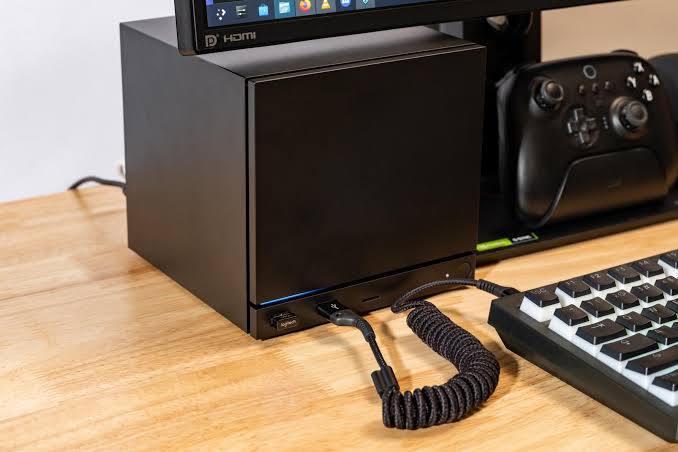
The change does not remove the value of PC compatibility. Windows still has thousands of games, mod support, independent releases and major franchises that are unavailable on consoles. External launchers also provide access to titles outside Steam, including games connected to Battle.net and Ubisoft Connect.
However, the loss of future PlayStation ports would make the original Helix pitch less distinctive.
Microsoft has several possible ways to reshape the project
One option would be to sell a less expensive closed version and a more costly open model. The premium edition could provide full access to PC stores, while the standard system would remain focused on the Xbox ecosystem.
This would allow Microsoft to subsidise the cheaper device through software sales. The main difficulty would be explaining why two visually similar consoles have different levels of access.
Another possibility is a curated model. Microsoft could form direct agreements with selected companies such as Epic Games, GOG, Ubisoft or other publishers. Their services could operate through the Xbox interface while sharing some revenue with Microsoft.
A subscription or paid upgrade could also unlock external stores. This may help cover the loss of software revenue, but charging people for platform openness could attract criticism.
The final option is to release Helix as a fully open gaming PC and accept a high price. That approach would deliver the broad compatibility Microsoft has discussed, but it would compete directly with established PCs and other open systems.
Microsoft has confirmed that Helix will play PC games, although it has not clearly promised unrestricted Steam access. The final design may therefore provide compatibility through selected partnerships rather than complete Windows style freedom.
Xbox Helix is still moving forward, but its original vision may need to change. Microsoft must balance hardware cost, software revenue and player choice without producing a device that is too expensive for console buyers or too restricted for PC players.



Discussion (0)
Be the first to comment.