



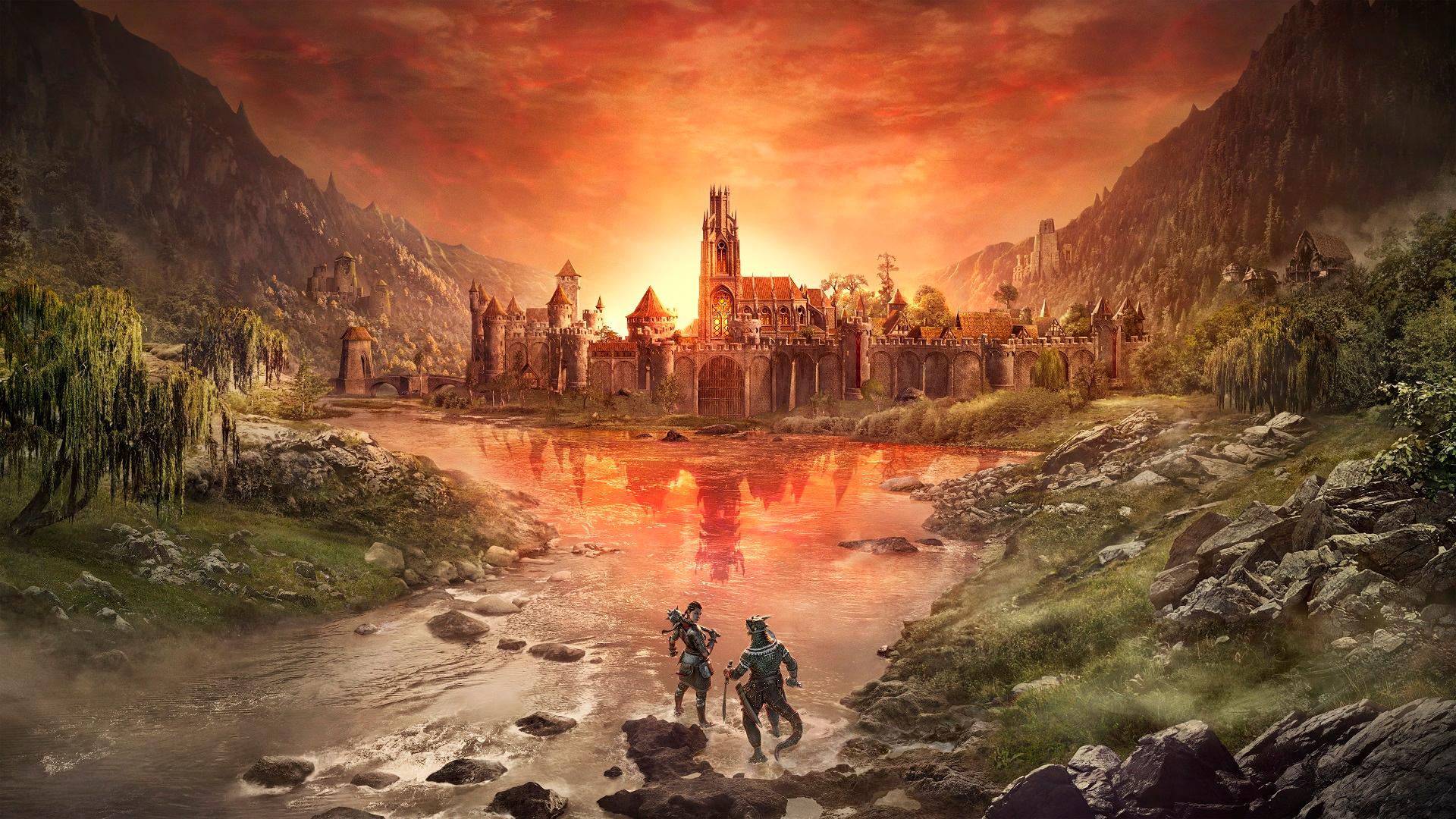
Microsoft’s future Xbox exclusivity strategy is back under discussion as attention turns to major Bethesda games such as The Elder Scrolls 6 and Fallout 5.
The debate comes as Xbox CEO Asha Sharma continues to signal a renewed interest in exclusive games, with titles such as Gears of War: E Day and Clockwork Revolution expected to play a larger role in defining the platform. At the same time, Microsoft still has strong financial reasons to release its biggest games across as many platforms as possible.
The question is whether a game as important as The Elder Scrolls 6 could help Xbox hardware and services enough to justify giving up potential PlayStation sales.
The case against making Bethesda games Xbox console exclusive
The strongest argument against exclusivity is reach.
Large games such as The Elder Scrolls 6 and Fallout 5 are expensive to build, and releasing them on fewer platforms could reduce their potential audience. Players who own only a PlayStation console may simply skip the game rather than buy an Xbox system.
That creates a difficult financial tradeoff.
| Strategy | Possible advantage | Possible downside |
|---|---|---|
| Full Xbox console exclusivity | Gives Xbox hardware a major exclusive | Loses potential PlayStation sales |
| Timed exclusivity | Gives Xbox an early advantage | Still delays revenue from other platforms |
| Multiplatform launch | Maximizes potential game sales | Gives players less reason to buy Xbox hardware |
| Xbox, PC and cloud only | Supports the wider Xbox ecosystem | Still excludes a large console audience |
Microsoft has spent recent years expanding Xbox games to more platforms, so reversing course on a major Bethesda release would represent a significant strategic change.
The company would also have to decide whether stronger Xbox hardware demand is valuable enough to compensate for lower software sales elsewhere.
Exclusivity could give Xbox a clearer identity
The opposite argument is that Xbox needs major exclusives if Microsoft wants its console platform to remain distinctive.
A game such as The Elder Scrolls 6 could provide a strong reason to buy or continue using Xbox hardware, particularly if it arrives alongside future Xbox systems.
The article also argues that Microsoft would still have access to a large audience through Xbox consoles, PC and cloud gaming even without a PlayStation release.
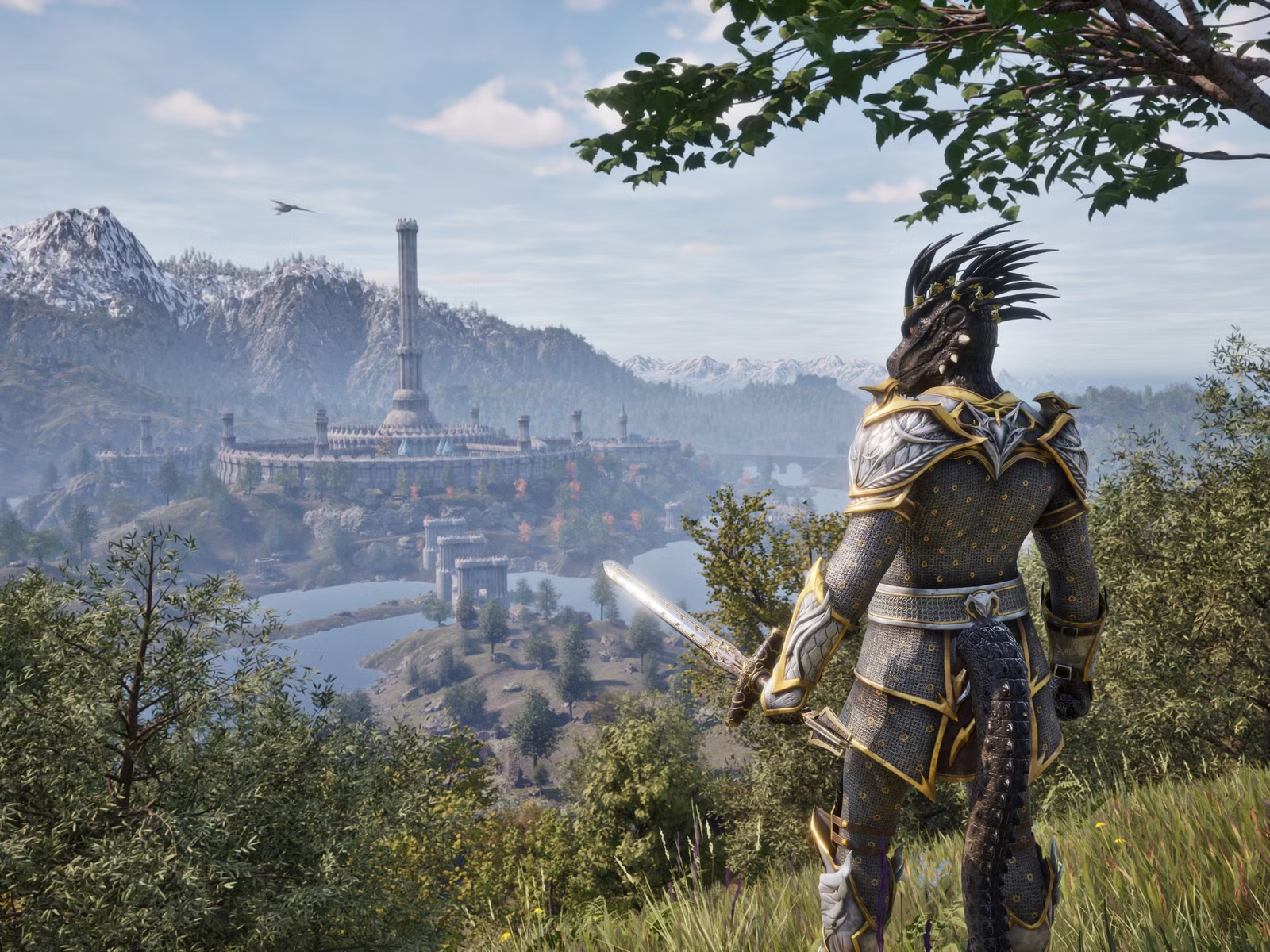
That becomes more important as Microsoft expands its cloud gaming plans. By the time The Elder Scrolls 6 arrives, cloud based access could potentially give players another way to enter the Xbox ecosystem without purchasing a traditional console.
Microsoft could also make other commercial adjustments. One possibility raised is delaying the game’s arrival on Xbox Game Pass Ultimate, allowing the company to prioritize full price sales during the initial launch period.
The Elder Scrolls 6 has returned to the spotlight
The discussion intensified after Sharma recently mentioned seeing a live playthrough of The Elder Scrolls 6 and praised its scale and story.
Her post also included eight hidden characters after the game’s title, which has fueled speculation that the subtitle could contain eight letters. Sentinel has been suggested as one possibility, but no subtitle has been officially confirmed.
The larger issue is less about one game and more about Microsoft’s long term platform strategy.
A single major exclusive could attract attention, but maintaining that approach would require a consistent flow of strong first party releases. The article argues that occasional exclusives would have a limited effect unless Microsoft commits to a broader and more predictable strategy across its studios.
For now, Microsoft has not announced whether The Elder Scrolls 6 or Fallout 5 will be Xbox console exclusives. The debate reflects the larger challenge facing Xbox: balancing the value of platform identity against the financial benefits of selling major games to the widest possible audience.



Discussion (0)
Be the first to comment.