



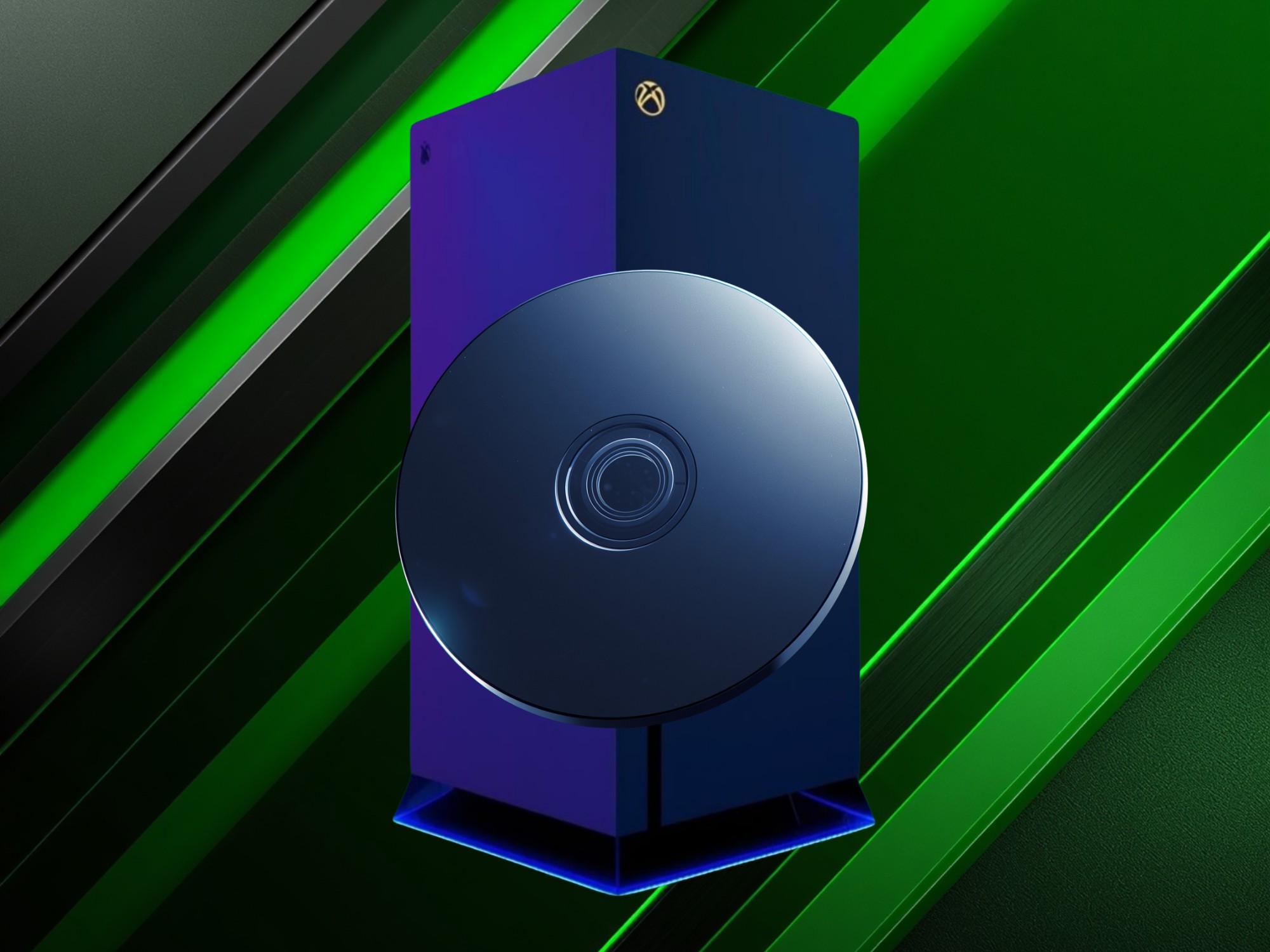
Microsoft may continue supporting physical game discs on its next generation Xbox console, according to a new industry rumor that points to backward compatibility as the main reason for keeping the feature.
The claim suggests that Xbox was considering a way for players to carry existing disc based libraries forward, even if physical game sales are no longer a major part of the company’s business. Possible options could include a built in disc drive, an external drive, or a system that verifies physical ownership before granting access to a digital version.
The plan may have existed before Microsoft’s recent restructuring of the Xbox division, so its current status is unclear. Microsoft has not announced the final hardware design or confirmed that the next Xbox will include any form of optical disc support.
The rumor arrives as Sony reportedly prepares to end PlayStation disc manufacturing in January 2028, creating new concern about the long term future of physical console games.
Backward Compatibility Could Keep Discs Relevant
Physical game sales have declined as digital storefronts, subscriptions, and cloud services have grown. However, many Xbox owners still have disc libraries covering several console generations.
Microsoft has spent years promoting backward compatibility across Xbox One and Xbox Series consoles. Keeping a way to read older discs would support that strategy and give long term customers more confidence that their purchases will remain usable.
| Possible next Xbox disc option | How it could work |
|---|---|
| Built in optical drive | Reads supported Xbox discs directly |
| Optional external drive | Adds disc access to a digital console |
| Disc verification system | Confirms ownership and downloads a compatible version |
| Disc to digital programme | Converts eligible physical games into account licences |
| No disc support | Limits the system to digital and cloud purchases |
An external drive could allow Microsoft to sell a lower priced digital model while still providing an upgrade path for customers with physical games. This approach would also reduce the cost and size of the main console for people who no longer use discs.
The rumor does not confirm which option Microsoft was considering.
The Plan May Have Changed After Xbox Restructuring
The information reportedly reflects discussions held before a broader reset within the Xbox business.
Microsoft has placed new pressure on the division to return to growth, making cost control and digital revenue more important. Removing the optical drive would lower manufacturing expenses and could encourage more purchases through the Xbox Store.
Digital sales are attractive to platform owners because they remove physical production, shipping, retail, and inventory costs. They also give Microsoft more control over pricing, licensing, and account access.
| Business factor | Keeping disc support | Removing disc support |
|---|---|---|
| Hardware cost | Higher | Lower |
| Backward compatibility | Stronger | More limited |
| Used game access | Preserved | Removed |
| Retail game support | Continued | Reduced |
| Digital store revenue | Less central | More important |
| Customer choice | Broader | Narrower |
The financial case for a digital only console is clear. However, abandoning discs could weaken Microsoft’s relationship with dedicated Xbox players, particularly after years of promising library continuity.
Physical Support Could Improve Xbox’s Position
Microsoft could use disc compatibility as a point of difference if competing consoles move fully toward digital distribution.
Many players remain concerned about digital ownership. A digital game can depend on an account, storefront, licence server, or publisher agreement. Physical media does not remove every restriction, but it can provide an additional way to install, sell, lend, or preserve a game.
Maintaining disc support could appeal to collectors and players with unreliable internet connections. It may also help stores that sell used games and physical releases.
| Player concern | Benefit of continued disc support |
|---|---|
| Existing game collection | Older purchases remain usable |
| Internet limits | Some game data can install from disc |
| Used game market | Games can be resold or purchased second hand |
| Collecting | Physical editions retain value |
| Game preservation | Provides another distribution format |
| Account dependence | Reduces reliance on one digital licence |
Modern game discs do not always contain a complete playable build, and many titles require large updates. Even so, the disc can still serve as proof of ownership and an alternative to buying the game again.
An External Drive Would Be a Practical Compromise
A removable optical drive may be the most flexible option for Microsoft.
The company could produce a compact digital first console and sell the drive separately to people who need it. This would prevent every buyer from paying for hardware they may never use.
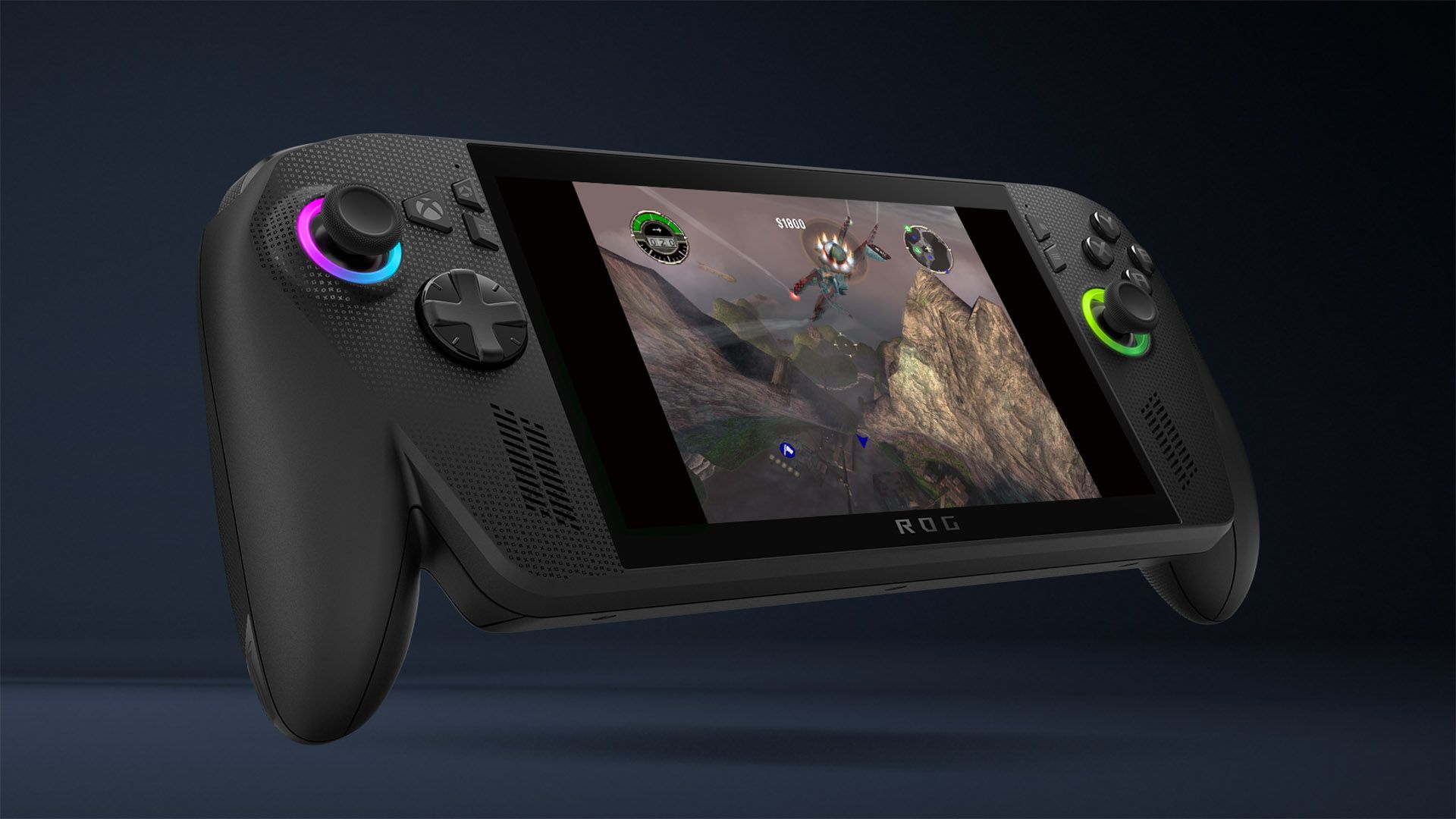
However, Microsoft would need to make the accessory broadly available and reasonably priced. It would also need a reliable method for pairing the drive with the console without creating unnecessary restrictions.
A proprietary accessory could become expensive or difficult to replace later. Standard USB optical drives are unlikely to work unless Microsoft provides specific driver and security support.
The company would also need to explain whether the drive supports original Xbox, Xbox 360, Xbox One, and Xbox Series discs. Backward compatibility depends on software support as well as the ability to read the physical media.
Disc to Digital Conversion Could Create New Problems
The rumor also raises the possibility of a disc to digital system.
Such a programme could allow a player to insert a supported disc, verify ownership, and receive a digital licence. This would be useful for a console without a permanent internal drive.
The challenge is preventing one physical copy from being converted by several accounts. Microsoft might require the disc to remain inserted, permanently link it to one account, or ask the owner to surrender the disc through a retailer.
Each approach has disadvantages.
| Verification method | Main limitation |
|---|---|
| Disc required during play | Still needs an attached drive |
| Permanent account conversion | Could remove resale rights |
| Retail trade in | Requires stores and regional support |
| Online licence check | Depends on servers remaining available |
| One time disc registration | Difficult to prevent repeated use |
Microsoft has not confirmed that it is developing such a programme. The idea remains one possible explanation for how the company could preserve physical libraries while shifting toward digital hardware.
Sony’s Reported Decision Adds Pressure
Sony has reportedly decided to stop producing PlayStation discs from January 2028, despite criticism from customers who prefer physical media.
If that plan moves forward, Microsoft could attract some frustrated console players by maintaining disc compatibility. The company would be able to present the next Xbox as a system that respects older purchases and offers more flexibility.
That advantage would only matter if the hardware remains competitively priced and supports a meaningful range of older games.
Physical compatibility alone would not solve Xbox’s wider challenges, including falling hardware sales, pressure on subscription growth, and uncertainty around its future console strategy.
Microsoft Has Not Confirmed the Feature
The next Xbox is reportedly known internally as Project Helix, but its specifications and final design remain unannounced.
The current information should therefore be treated as an early rumor rather than a confirmed product feature. Plans can change during development, particularly after leadership changes or financial reviews.
Microsoft may decide that disc compatibility provides enough goodwill to justify the additional cost. It could also conclude that a digital only model better supports its growth targets.
For now, the most significant part of the rumor is the reasoning behind the possible decision. Microsoft may not view discs as a major retail opportunity, but it may still consider them important for preserving access to existing Xbox libraries.



Discussion (0)
Be the first to comment.