



Microsoft has been improving Xbox on Windows handhelds, and the Xbox Ally is starting to show what the company wants from its future hardware strategy. New Xbox Mode updates, better docked support, AutoSR testing, and expanded controller friendly settings all point toward a more console like Windows gaming experience. The problem is that the experience still does not feel as smooth as a real console.
Xbox Mode is now available to Xbox Insiders on PC. It replaces the normal desktop feel with a more controller focused interface, adds a task switching system, and brings a compact Xbox Guide style Game Bar for quick access to gaming settings. On paper, that is exactly what Windows handhelds need.
In practice, the Xbox Ally still has rough edges. The Xbox PC store can feel slow, especially when booting up or moving through pages. Navigation can sometimes queue up too many inputs, causing the cursor to jump through menus or open pages unintentionally. The Xbox Game Bar itself performs better, but the wider store and launcher experience still need work.
The docked experience has improved. Xbox Ally devices can now handle external displays more cleanly, turning off the handheld screen and outputting to a TV or monitor by default. That makes the device feel closer to a Nintendo Switch style setup. However, external controller support can still be inconsistent. Some games struggle to switch between the built in controller and a connected controller, which can make TV play frustrating.
| Area | Current state |
|---|---|
| Xbox Mode | Better controller friendly interface, but still slow in places |
| Xbox PC store | Main source of polish issues |
| Game Bar | Faster and useful for handheld settings |
| Docked mode | Improved external display behavior |
| Controller support | Still inconsistent in some games |
| AutoSR | Impressive when it works, but unreliable in preview |
| Project Helix concern | Windows still needs to feel more console like |
AutoSR may be the most promising new feature. It uses the Xbox Ally X’s NPU to upscale lower resolution gameplay into a sharper image. On a handheld with limited power, that can help improve performance without making the game look too soft.
When AutoSR works, the improvement can be clear. It can make demanding games look cleaner while allowing the device to run them at a lower internal resolution. That is especially useful for games that struggle on handheld hardware.
The issue is consistency. Some games need a restart before AutoSR works. Others only work in fullscreen, while some work in borderless windowed mode. Some games do not work properly at all. Forza Horizon 6 can reportedly drop AutoSR after loading screens, requiring a full restart to bring it back.
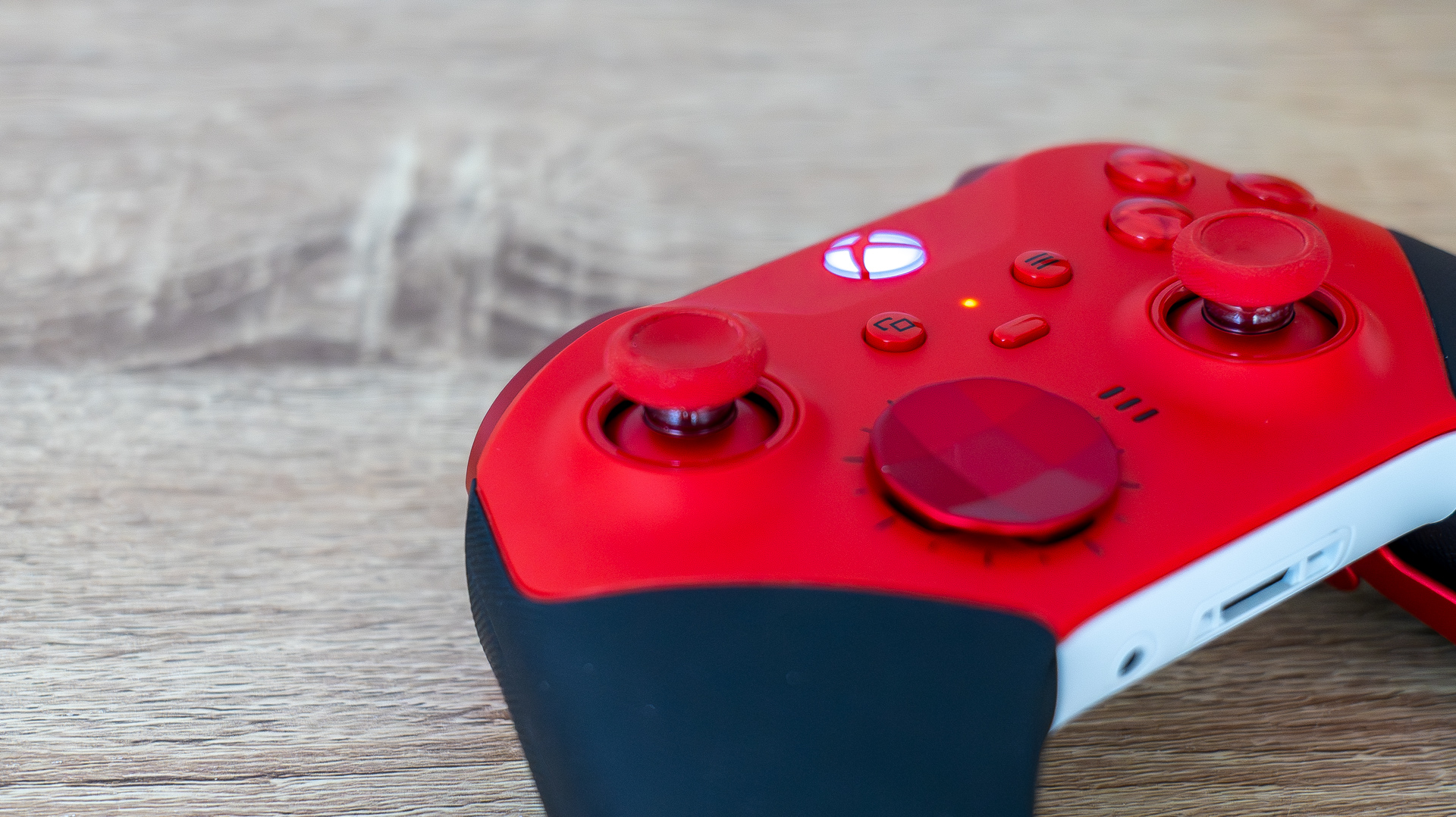
That kind of behavior is acceptable in a preview feature, but it cannot remain that way if Microsoft wants the next Xbox to be built around a Windows first setup. A console style device needs to feel simple. You should not need to test display modes, restart games, or troubleshoot controller focus just to get basic features working.
The larger concern is Project Helix. Microsoft’s next generation Xbox is expected to use a Windows based design with Xbox Mode at the center. That could be powerful because it may combine Xbox console libraries, PC games, Game Pass, cloud features, and Windows flexibility in one device. But power alone is not enough.
If Project Helix feels too much like a PC, it may lose the main advantage of a console: convenience. Players expect a console to turn on quickly, launch games cleanly, recognize controllers properly, and avoid strange background issues. Windows can do many things, but it can also be messy.
Microsoft is clearly moving in the right direction. Pre compiled shaders, automatic graphics profiles, controller friendly settings, AutoSR, and better docked support are all important pieces. The update pace also suggests the Xbox and Windows teams are taking handheld gaming more seriously.
Still, Xbox Mode is not ready to carry a next generation console experience yet. The foundation is there, but the store, controller handling, performance, AutoSR reliability, and overall interface polish need major improvement.
The Xbox Ally is already a useful device for people who are comfortable with Windows gaming. For Project Helix to succeed, Microsoft needs to make that same power feel effortless for everyone else.
Discussion (0)
Be the first to comment.