



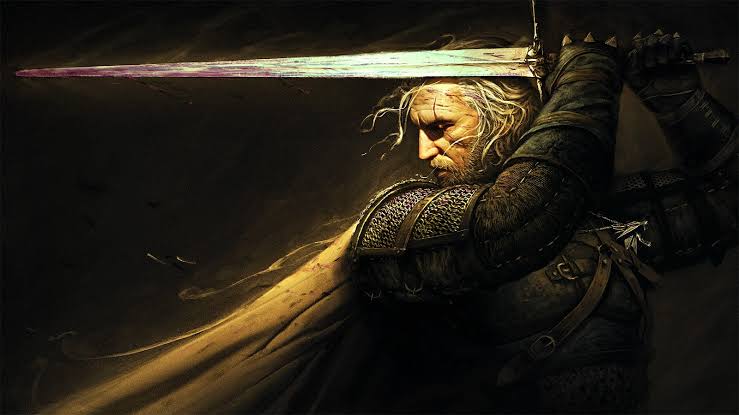
One of The Witcher 3’s most emotional scenes also became an important learning moment for the developer who helped build it.
Paweł Sasko, who served as lead quest designer on The Witcher 3 and is now associate game director on Cyberpunk 2, has reflected on the development of Vesemir’s death during the Battle of Kaer Morhen. According to Sasko, the idea initially left the development team silent, but the scene eventually became a major lesson in how to build effective quests and dramatic moments.
The sequence takes place after Geralt finally reunites with Ciri and returns to Kaer Morhen. The relative calm is broken when the Wild Hunt attacks, leading to Vesemir’s death and Ciri releasing a powerful burst of energy.
| Detail | Information |
|---|---|
| Game | The Witcher 3: Wild Hunt |
| Scene | Vesemir’s death at Kaer Morhen |
| Developer | Paweł Sasko |
| Role on The Witcher 3 | Lead quest designer |
| Current role | Associate game director on Cyberpunk 2 |
| Development challenge | Quest flow, technical issues and repeated iteration |
| Narrative purpose | Give Ciri’s emotional outburst greater weight |
Vesemir’s death was designed to give the battle emotional weight
Sasko said the development team reacted with wide eyes and silence when he first suggested killing Vesemir.
The decision was difficult because Vesemir had an important place in the story as the leader of the Wolf School and a father figure to Geralt and the other witchers.
The team ultimately concluded that the scene needed that level of loss.
Ciri’s explosive reaction to the Wild Hunt was meant to feel earned, and Vesemir’s death gave the moment the emotional foundation it needed. Without a major personal loss immediately beforehand, her response would not have carried the same weight.
The result became one of the most memorable moments in The Witcher 3.
Building the sequence required repeated redesigns
The emotional idea may have been clear, but turning it into a working quest was much more difficult.
Sasko experimented with several concepts during development, including meteors, portals opening in the forest, Wild Hunt forces emerging through them and a horseback return to the keep.
Many of those ideas did not work as planned.
Technical problems appeared, the quest flow was difficult to understand and internal feedback was often negative. Sasko repeatedly rebuilt sections of the sequence until the individual parts started working together.
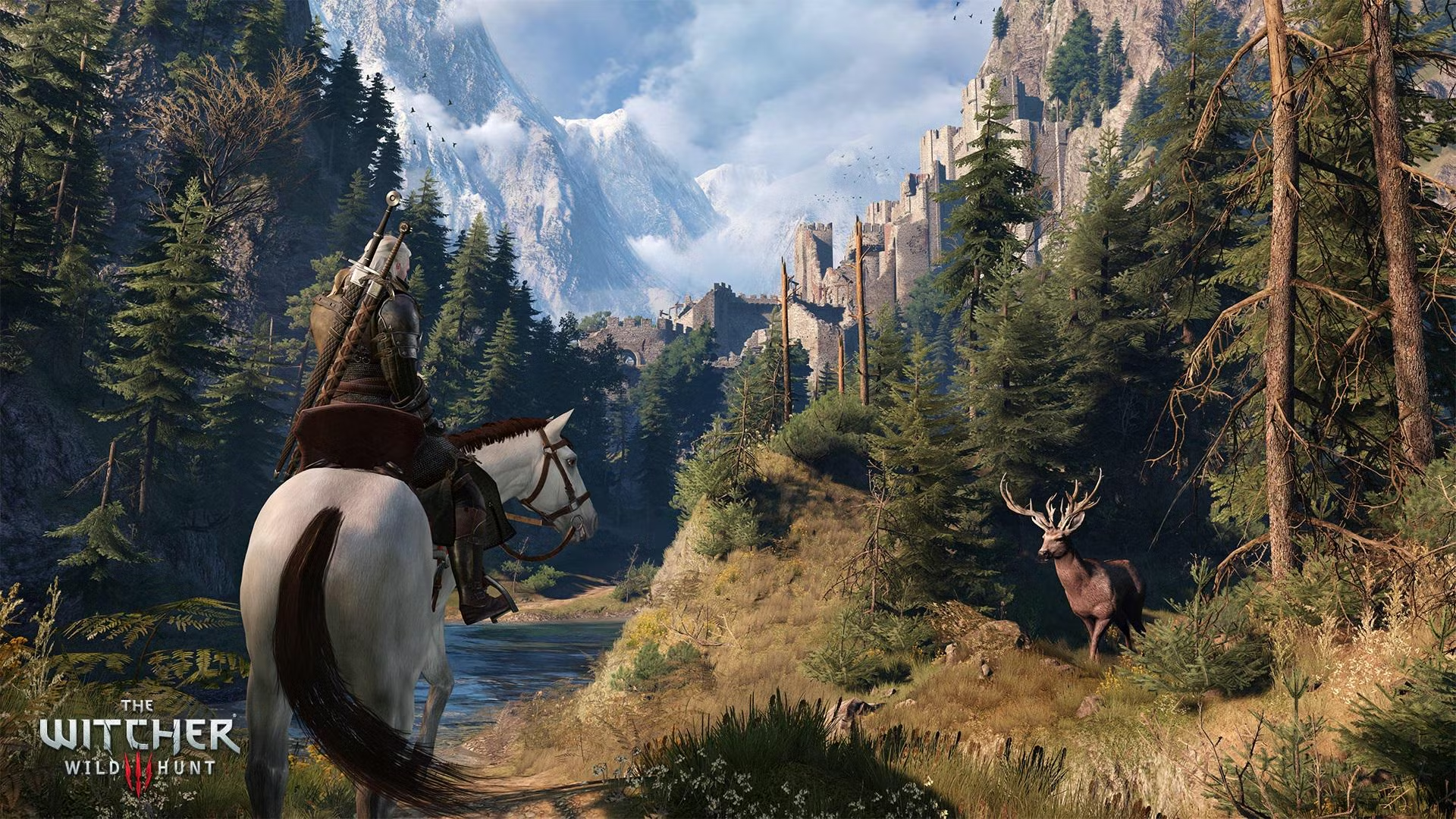
That process became an important lesson in quest design.
Rather than finding the right structure immediately, the team learned through testing why certain ideas worked while others disrupted the pacing or clarity of the mission.
The experience influenced Sasko’s later work
Sasko said that repeated iteration helped him better understand the craft of building quests and narrative set pieces.
That experience became particularly relevant during his later work on Cyberpunk 2077, where he again served as lead quest designer, and Phantom Liberty, where he worked as quest director.
Both games contain major story decisions, personal losses and situations where players are asked to make difficult choices.
The Battle of Kaer Morhen shows how those moments can depend on careful pacing rather than a single dramatic event.
The sequence first gives Geralt and the other characters a brief period of safety, then brings the Wild Hunt directly into Kaer Morhen before taking away one of the group’s most important figures.
Sasko’s recollection also highlights how much iteration can sit behind a finished scene that may appear natural when players experience it.
For the development team, Vesemir’s death was more than a major story moment. It became part of the process of learning how gameplay, pacing and narrative consequences can work together inside a quest.

Discussion (0)
Be the first to comment.