


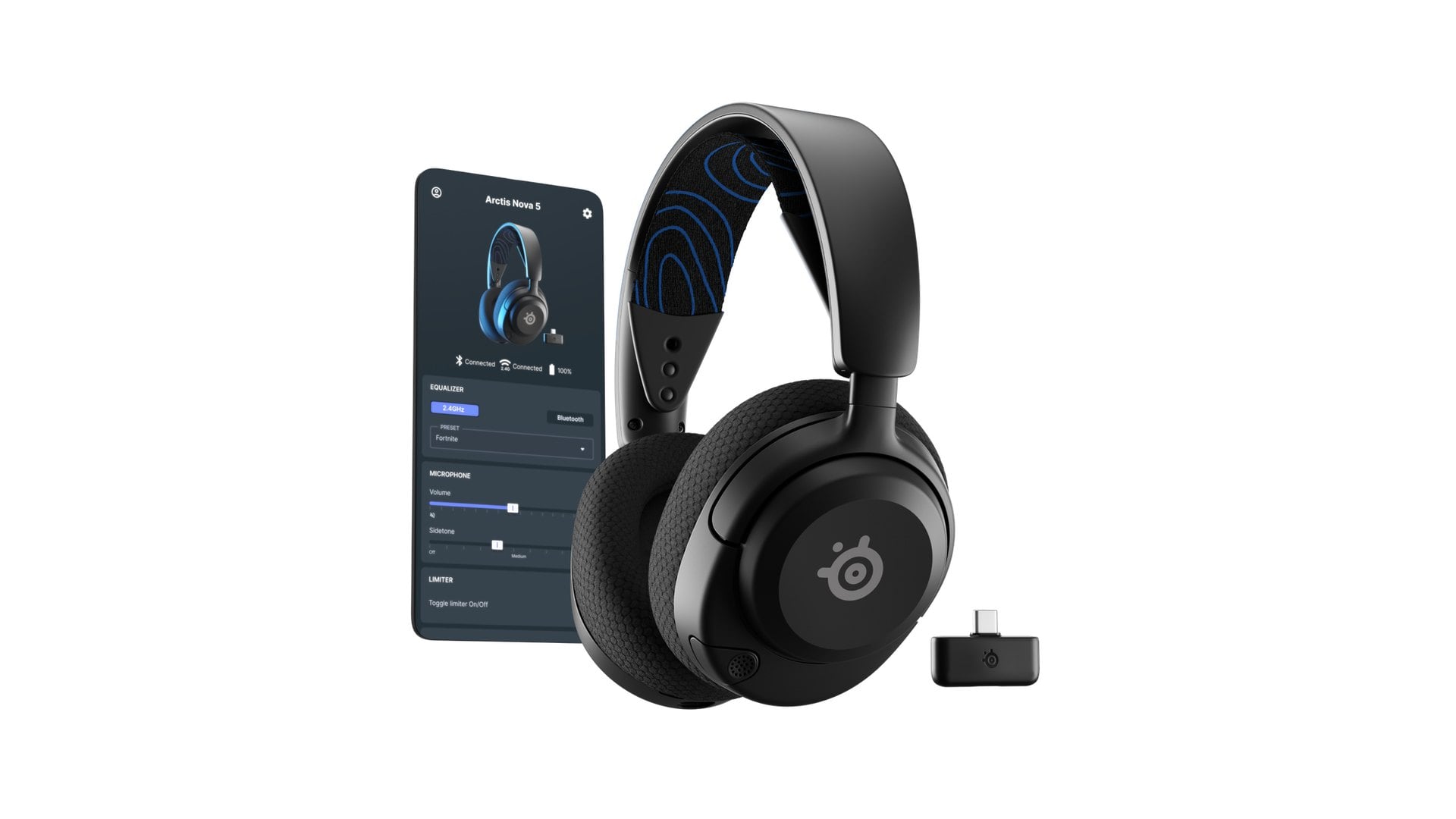
SteelSeries sells the Arctis Nova 5P on a 60-hour battery, and its own spec table rates the headset at up to 50 hours over the 2.4GHz dongle. The 60 is the Bluetooth figure, and Bluetooth is not the connection that carries game audio on a PlayStation, a PC or a Switch.
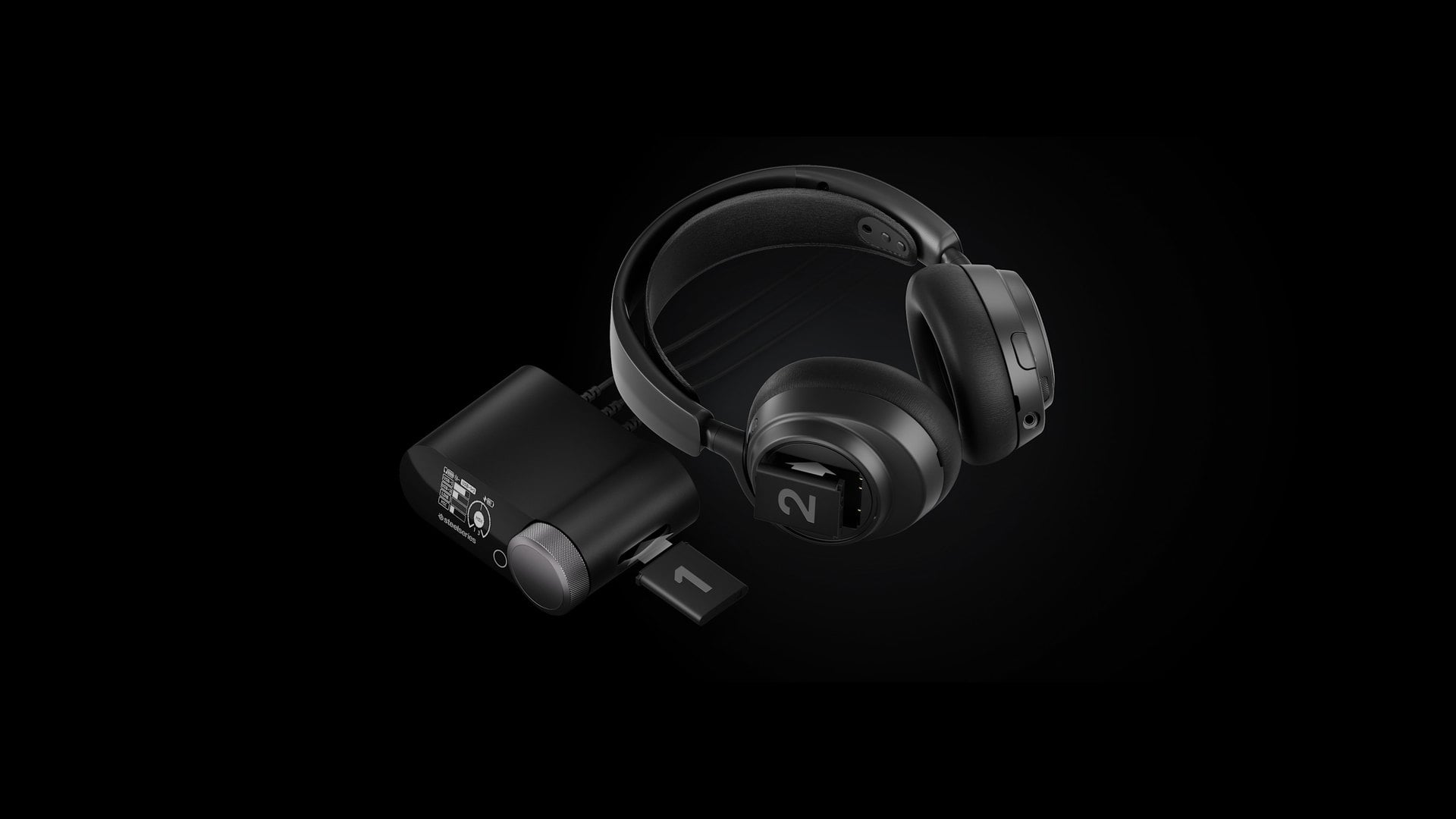
That gap is not a misprint. It is one of four ordinary reasons a wireless headset runs down well before the number printed on the box.
The hours may belong to a connection nobody games on
The battery row on SteelSeries’ spec table reads, in full, “Up to 50 hours 2.4GHz Wireless or 60 hours in Bluetooth”. The headline on the listing and in SteelSeries’ own marketing copy is the 60.
The 5P ships with a compact USB-C dongle, and that 2.4GHz link is how it reaches a console or a PC. Bluetooth is the side channel for a phone.
So the rated figure for the way most buyers will actually use it is 50 hours, a sixth lower than the one being advertised. Amazon’s listing carried the 60-hour claim when this headset last went on offer.
The hours may assume noise cancelling is switched off
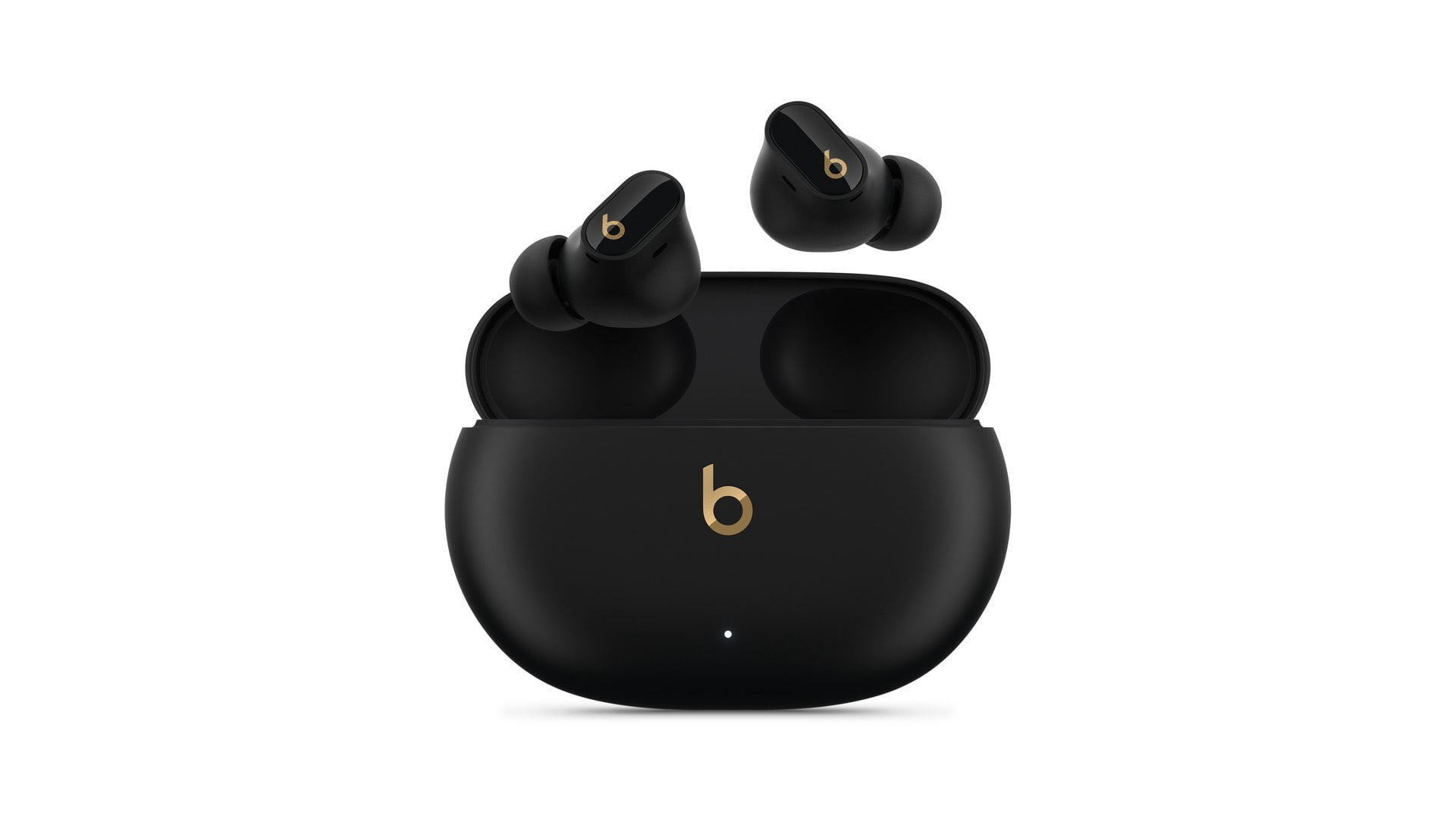
Beats rates the Studio Buds + at up to 36 hours of total listening time. Its own test footnote states that Active Noise Cancellation and Transparency were turned off for that measurement.
Switch noise cancelling on and Beats rates the same earbuds at 24 hours, with 6 hours from the buds themselves instead of 9. The feature the product is named for costs a third of the headline.
Samsung handles this better by publishing both halves. Its spec table for the Galaxy Buds4 Pro carries separate rows for ANC on and ANC off. With it off the rating is up to 7 hours and 30 hours total, and with it on, up to 6 and 26.
Gaming headsets do the same thing, with an extra step. SteelSeries rates the Arctis Nova Pro Omni at up to 60 hours, which is two hot-swappable batteries added together at 30 hours each with ANC off.
Run one of those batteries with noise cancelling on and both radios live, and SteelSeries rates it at 19 hours. The 36-hour Beats figure is built the same way, from 9 hours of earbuds plus three case charges.
None of that makes the cancelling itself weak, and the way noise cancellation works explains why it draws power at all. It just means the big number and the feature are rarely true at once.
Two pages from the same company may print different numbers
Beats’ product page and Beats’ support page both give 24 hours of total listening with noise cancelling on. Apple’s own support guide for the same earbuds says 30.
They disagree about fast charging too. Beats says a five-minute charge gives up to 1 hour of playback, while Apple’s guide says up to 1.5 hours.
Apple owns Beats, so both of those are first-party sources for one product. Neither page acknowledges the other, and nothing on either says which test the figure came from.
Some headline features only work on one platform
The same shape of claim turns up outside battery life. SteelSeries certifies the Nova Pro Omni for 96kHz/24-bit hi-res audio, then answers its own FAQ by saying a PS5 and an Xbox will show 48kHz.
Samsung’s 24-bit/96kHz claim for the Galaxy Buds4 Pro works the same way. Samsung lists the Galaxy phones and tablets that can send it, and says a PC or an iPhone gets 16-bit/44kHz instead.
A non-Samsung Android phone does not get it either, by Samsung’s own account. The figure is real, and it belongs to hardware the buyer may never plug the earbuds into.
What to look for on the spec sheet
Three questions settle most of it. Which connection is the hours figure quoted for, is noise cancelling on or off for that test, and does the maker publish a full charge time at all.
That third question is the quiet one. SteelSeries publishes a fast-charge claim for the Nova 5P, 15 minutes for 6 hours of play, and no full-charge figure anywhere on the product page.
Samsung publishes no quick-charge minutes for the Galaxy Buds4 Pro, and gives the earbud and case battery capacities instead. Beats and Apple publish a five-minute figure and cannot agree on what it buys.
A maker that prints one battery number and no conditions has made a choice. A maker that prints two labelled rows, as Samsung does, has told the buyer what the second number costs.
Codec support is the other common blank. SteelSeries names no Bluetooth codec for the Nova 5P, and neither Apple nor Beats publishes a codec or a Bluetooth version for the Studio Buds +.
What none of them publishes is how any of these ratings hold up after a year of charge cycles. The figures are lab results on new hardware, and a product page can be rewritten without notice.
Discussion (0)
Be the first to comment.