



Microsoft says more than 7,000 apps and games are now compatible with Windows on Arm, marking another step forward for the platform as more PC makers prepare new Arm based Windows devices.
The compatible software list now includes well known applications such as Adobe Photoshop, Lightroom, Blender, DaVinci Resolve, Firefox, GIMP, LibreOffice, Signal, Spotify and VLC. The growing catalog addresses one of the biggest weaknesses that has followed Windows on Arm for years: software compatibility.
Still, 7,000 compatible apps and games represent only a small part of the broader Windows software ecosystem. Native support is improving, but many programs still depend on Microsoft's Prism emulation layer, and gaming remains one of the clearest problem areas.
| Area | Current Windows on Arm status |
|---|---|
| Compatible apps and games | More than 7,000 |
| Major native apps | Photoshop, Lightroom, Blender, DaVinci Resolve, Firefox, Spotify, VLC and others |
| Main processor family | Qualcomm Snapdragon |
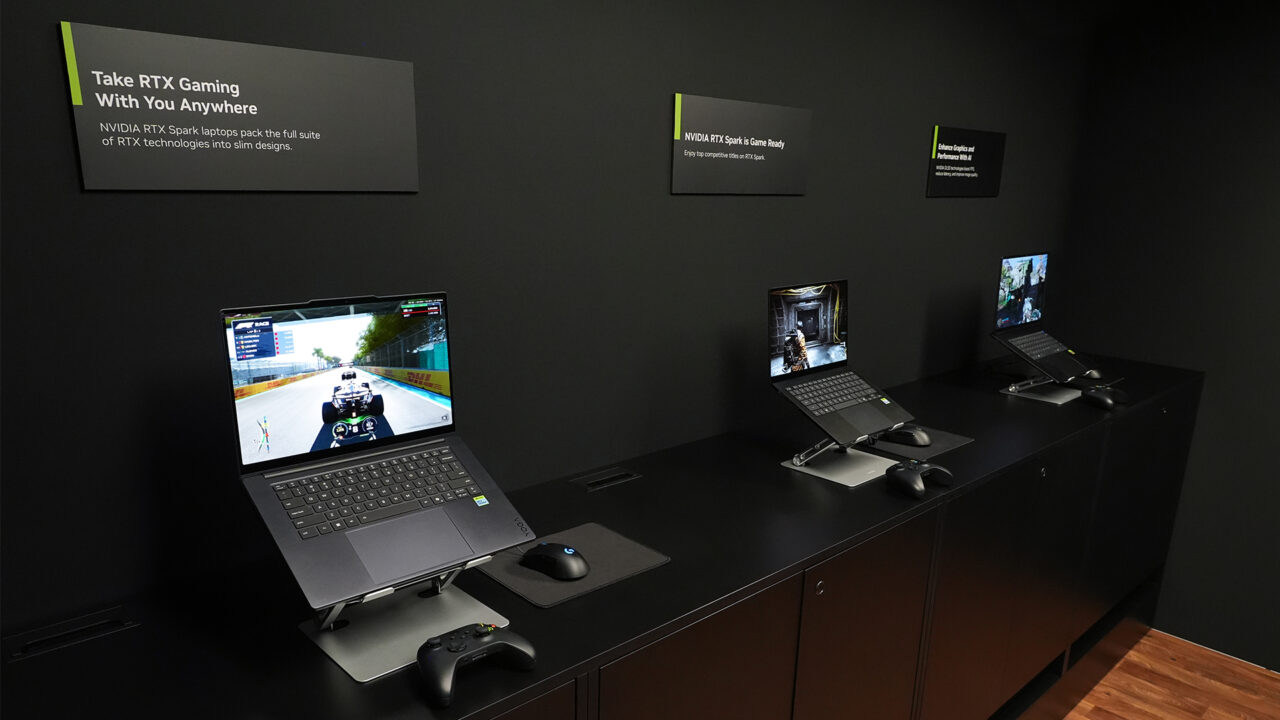
| Other Arm efforts | Nvidia is also developing Arm based PC hardware |
| x86 and x64 app support | Available through Prism emulation |
| Gaming | Still inconsistent |
| Main advantage | Better power efficiency and battery life |
Native app support is becoming much stronger
Windows on Arm is designed for processors based on the Arm architecture rather than the x86 and x64 chips traditionally used by Intel and AMD PCs.
The main appeal is efficiency. Arm based processors can offer longer battery life, lower power consumption, reduced heat output and quieter operation. Those benefits are especially useful in thin and light laptops.
Compatibility has remained the main obstacle. Many Windows applications were originally built only for x86 or x64 processors, while some hardware accessories also lack suitable Arm drivers.
The latest milestone reduces that problem considerably for common software. If your daily workload depends on mainstream productivity, creative or communication apps, Windows on Arm is becoming much easier to use without major compromises.
Microsoft is also pointing to the progress ahead of new Arm based PCs expected from companies including Microsoft, Asus, Dell, HP, Lenovo and MSI.
Prism helps, but it cannot fully replace native apps
Programs that do not have native Arm versions can often run through Prism, Microsoft's built in x86 and x64 emulation technology for Windows 11.
That expands compatibility, but emulation has tradeoffs. Software running through Prism can consume more power and deliver lower performance than a native Arm application. That matters because battery life and efficiency are among the strongest reasons to buy an Arm based PC in the first place.
Native development therefore remains important even when an older Windows program technically works through emulation.
The same issue applies to drivers and hardware support. An application may function, but a specific peripheral or specialized workflow can still create compatibility problems if the necessary Arm driver is unavailable.
Gaming is still one of the biggest weaknesses
Gaming remains a more difficult case.
Despite progress since the first Snapdragon based Windows PCs arrived, compatibility and performance are still inconsistent compared with conventional x86 gaming laptops. Some games can run through emulation, while others face problems involving performance, anti cheat systems, drivers or graphics compatibility.
Newer Snapdragon hardware has improved the overall platform, but Windows on Arm is still not the safest choice if gaming is your main priority.
That makes the 7,000 app milestone important without making the platform fully mature. Windows on Arm is increasingly practical for productivity, creative work and everyday computing, but its success will depend on continued native software development, better driver support and much stronger gaming compatibility.
Discussion (0)
Be the first to comment.