



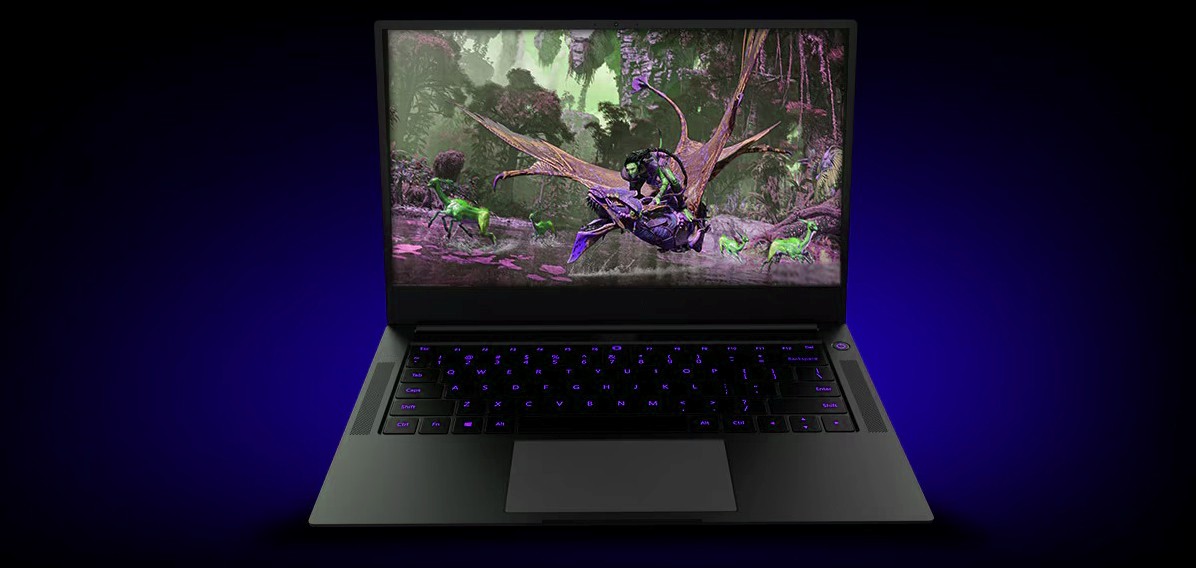
You open a browser game on your work laptop or Chromebook, and it either loads in seconds or grinds to a halt before you even reach the menu. Most people assume the problem is their device. Often, it isn't. The real difference is how the game was built in the first place.
Mobile ports versus web-native games
A lot of free online games start life as mobile apps. Developers build them for Android or iOS, then push them to the browser as an afterthought. These ports carry the full weight of the original: large file sizes, assets built for phone screens, and loading logic that was never designed for a browser environment.
The result is a game that technically works but takes a long time to load, drains your battery faster than expected, and stutters on anything less than a reasonably capable machine. If you have ever tried gaming on a Chromebook and felt like nothing ran well, this is usually why. The games were not built for that context.
Web-native games are designed differently. Developers building specifically for the browser think about file size from the first line of code. They compress assets aggressively, cut anything that does not directly serve gameplay, and write code that loads progressively rather than all at once. The goal is to get the player into the game in under 20 seconds, on whatever device they happen to be using.
That constraint sounds like it would limit what developers can make. In practice, it tends to produce tighter, more focused games.
Why file size matters more than your hardware
The threshold that separates games that work on anything from games that don't is not processing power. It is file size and how loading is handled.
Developers building for the web learn quickly that a game pushing past 10MB will lose a significant portion of players before they see the first frame of gameplay. People close tabs. They move on. Keeping file sizes small is not just good practice for slow connections. It is what separates games that reach a wide audience from ones that disappear.
This is also why browser gaming behaves differently from cloud gaming services that stream from powerful remote hardware. Cloud gaming solves the performance problem by offloading it entirely. Web-native gaming solves it by designing games that never needed much power to begin with. Both approaches work, but they serve different situations and different devices.
Where to actually find games built for any device
One of the largest games sites, Poki welcomed 625 million players in 2025. The platform runs entirely in the browser, with no downloads and no account required, giving instant access to hundreds of titles spanning racing, puzzle, shooting, dress-up, and multiplayer games.
The curation model is part of what makes it reliable on lower-end devices. Poki does not operate as an open marketplace where any developer can publish anything. Games go through a review process before going live, which filters out ports and poorly optimised titles that would frustrate players on modest hardware. If a game appears on the platform, it has already been checked for the fast loading and stable performance that make browser gaming actually enjoyable rather than just technically possible.
The device really does matter less than you think
Web-native games run across phones, PCs, tablets, and older laptops without any special setup or browser configuration. Because they are built to load fast on modest hardware, they behave consistently across devices in a way that most downloaded games simply do not. A racing game or a 2 player game that runs well on a mid-range Android phone will run just as well in a browser tab on a five-year-old Windows laptop.
This is relevant for anyone who has read tips on getting more out of a budget or mid-range machine. The common assumption is that better hardware unlocks better gaming. For web-native games, that relationship barely exists. A game designed to fit inside a browser on modest hardware will run the same way on almost any device with a stable internet connection.
If past experiences with browser games felt slow or clunky, the issue was almost certainly the game rather than the device. Web-native titles built with strict file size and loading targets behave differently from ports. They feel light because they were built to be light from the start. That consistency is what makes browser gaming a practical option for anyone, regardless of what device they are sitting in front of.

Discussion (0)
Be the first to comment.