



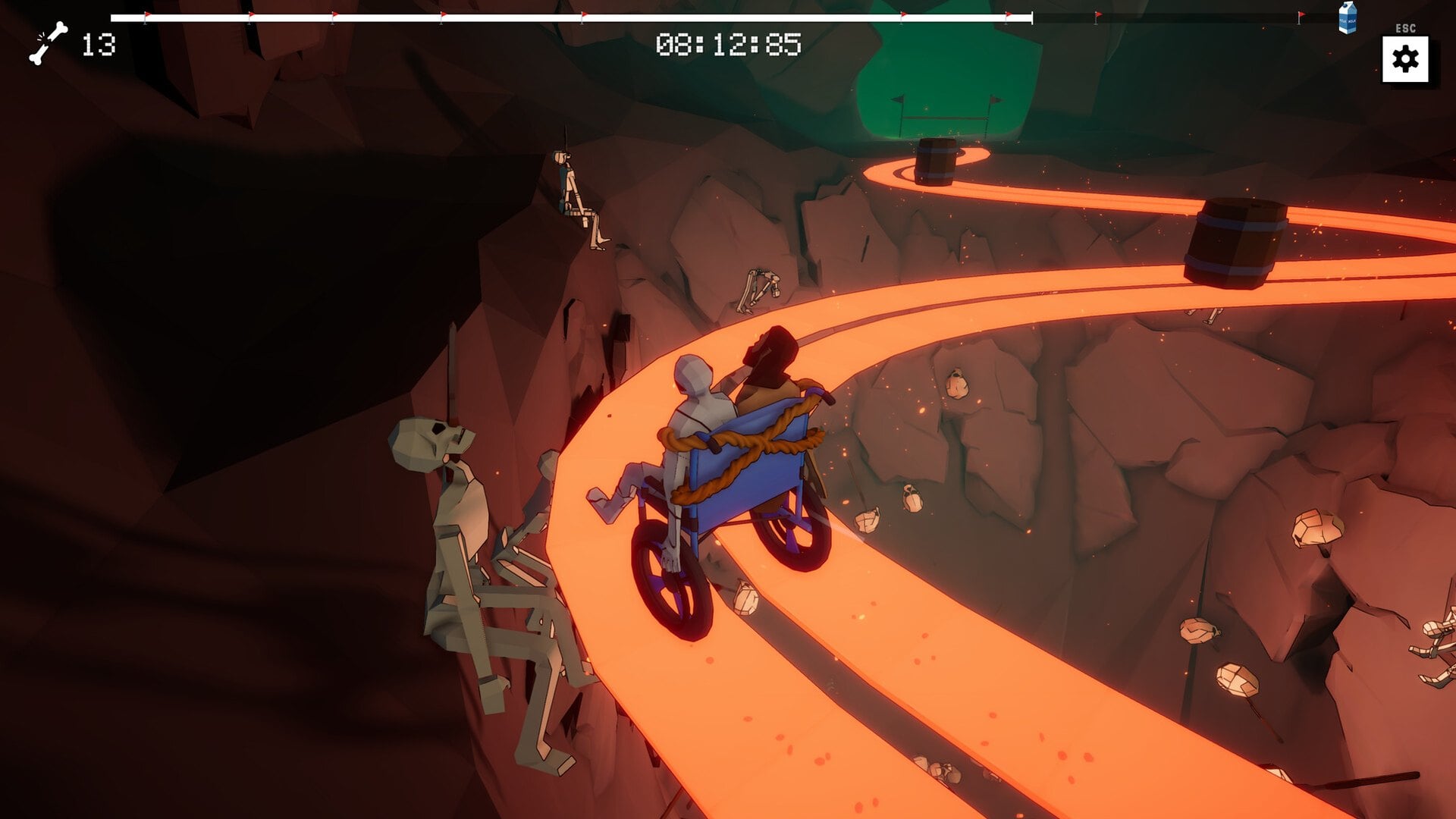
The publisher of Wheel Make It, a $4.99 co-op game about two people roped into one wheelchair, says a drawn-out Steam review sank its launch. According to 2 Left Thumbs, the game had more than 11,000 wishlists, yet third-party tracking data the publisher shared shows a peak of just 15 concurrent players.
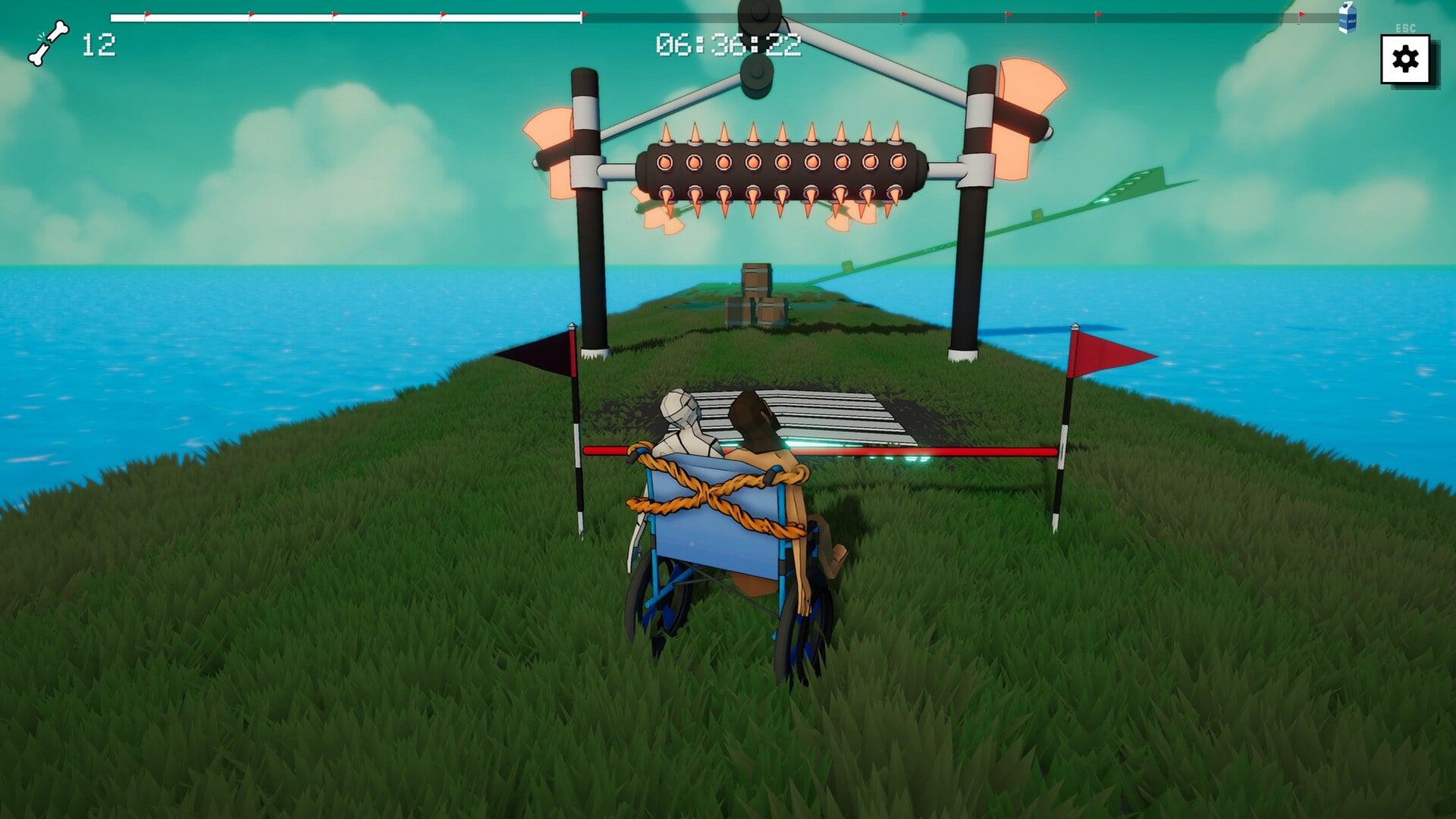
In a post on X on November 2, the publisher said Steam had assured it that missing the launch would not affect "the usual mechanisms of launch visibility". It blamed the miss on "the tidal wave of AI-slop that destroyed their review queue", then added: "I beg to differ".
That raises a fair question for anyone who wishlists small games: what does Steam actually promise a game that misses its date? Valve's own rules answer most of it, and they split launch day from the run-up.
How Wheel Make It missed its October 12 Steam launch
Developed by tlproductions, Wheel Make It was due on Monday, October 12. By then, the publisher said in a Steam announcement, it had spent about two weeks in Valve's review queue and had failed once over "a misunderstanding regarding how local co-op worked".
On X it was blunter, saying reviewers "couldn't figure out how to access local co-op (you literally just share a keyboard...)". In an October 21 update, the publisher said it had failed again because a single menu option, the resolution setting, "was not accessible with a controller".
Approval came by Friday, October 23. The game went on sale on Sunday, November 1, and its Steam store page shows a 10 percent introductory discount to $4.49 that runs until November 15. Its free demo, out since June, had already taken part in that month's Steam Next Fest.
How long a Steam game review is supposed to take
Valve's review process page says a build review "typically takes 3-5 business days", and asks developers to plan for at least seven business days in case an issue arises. On the publisher's own dates, Wheel Make It needed more than three weeks.
The second rejection follows one of Valve's plainest rules: every feature listed on a store page "will need to be implemented in the current build". Wheel Make It's page advertises full controller support, so a setting a controller could not reach put the build at odds with its own listing.
Is AI slop really clogging Steam's review queue
The AI argument rests on timing. In an October 23 announcement, the publisher suggested the slowdown was the result of Steam needing to "manage and approve the 8000 (mostly AI slop games) taking part in the October Next Fest".
The calendar does line up. Valve's standard Next Fest timeline wants demos submitted for review three weeks before the festival. With October's edition opening on October 19, that deadline fell at the end of September, just as Wheel Make It's build went in.
The figure is shakier. Valve has published no entrant or AI disclosure count for the event, and the third-party tally that circulated put just over a third of entrants carrying an AI disclosure, not most. Valve's content survey rules do say AI-generated content is checked in prerelease review "the same way we evaluate all non-AI content". Wheel Make It's own store page carries no AI disclosure.
Epic Games CEO Tim Sweeney, who has criticised Steam's AI disclosure rules, liked one of the publisher's posts about the delay. The publisher read that as a misunderstanding: "I assume he's taking it as Steam-bashing, when really all my anger goes out to genAI".
Do Steam wishlists still help when a release date slips
Valve's release date rules explain why a delay stings before launch day. A date can be changed only up to two weeks ahead, because inside that window a game "will start showing up more in 'upcoming releases' lists", and after that it is locked.
Valve adds that visibility on lists "such as Popular Upcoming depend on release date". The publisher said it was barred from setting a new date, leaving the page on "Coming Soon" until launch.
Launch day runs on different triggers. Valve's visibility guide says a newly released game appears on the New Releases page and the All New Releases list, and that wishlisters "may receive an e-mail notification". Those fire when a developer presses release, which fits the assurance the publisher says Steam gave it.
The same guide carries a warning for anyone counting wishlists: "With a few exceptions like the Popular Upcoming tab, wishlists are not a factor in your game's algorithmic visibility on Steam".
On Valve's own terms, then, a missed date costs the run-up, where wishlists still feed Popular Upcoming, rather than launch day itself. Whether Steam promised anything beyond that rests on the publisher's account alone.
At 11:35 UTC on Tuesday, Steam's own count showed six people playing Wheel Make It and 20 playing its free demo. Its first 13 user reviews are 92 percent positive. One more lever in Valve's rules points at those 11,000 wishlists: a discount of 20 percent or more sends wishlisters a fresh notification.


Discussion (0)
Be the first to comment.