



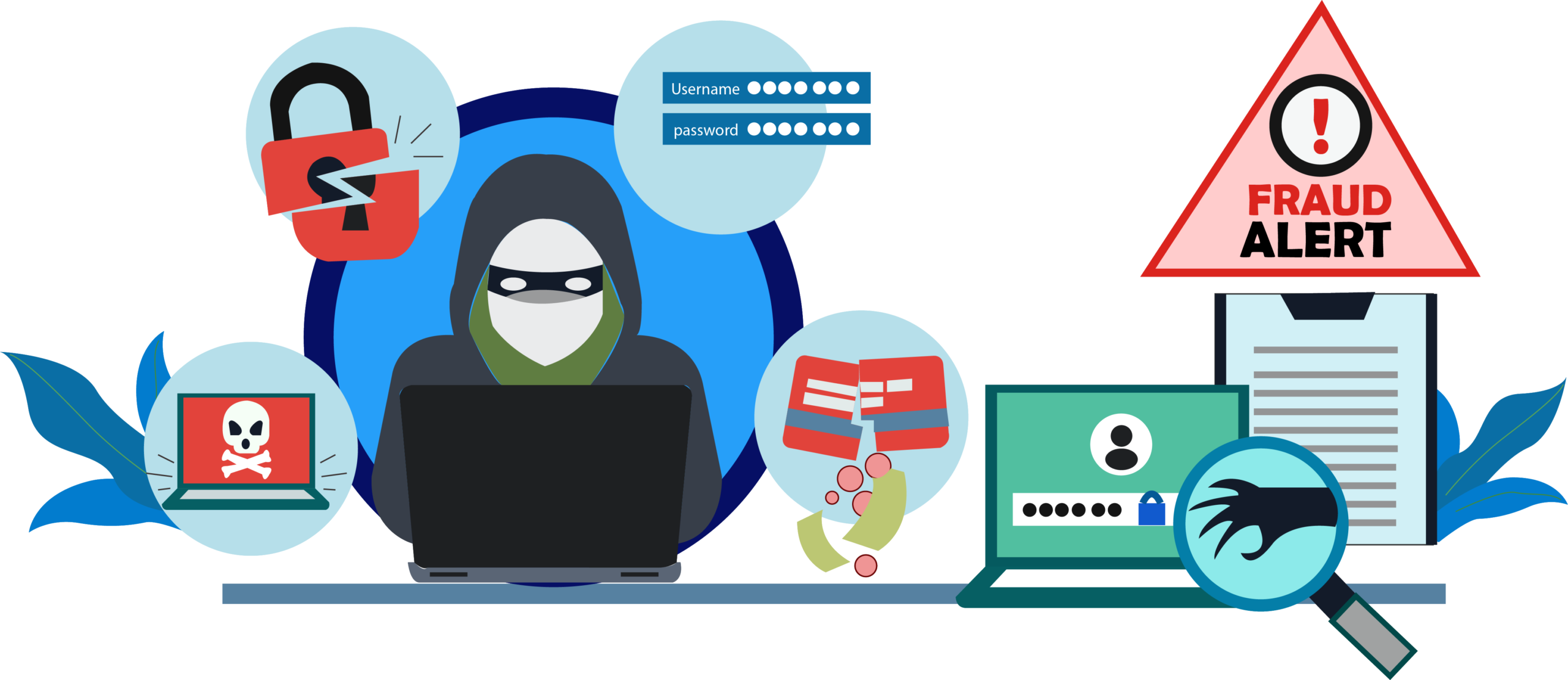
Companies collect large amounts of customer data, including names, contact details, payment information, and identity documents. While essential for many business processes, this information can become a target for fraudsters.
Identity theft affects individuals and organizations that rely on personal information to identify customers. Understanding what identity theft is, the different types of identity theft, and how to prevent it can help businesses reduce fraud and protect sensitive data.
What Is Identity Theft?
Identity theft is the unauthorized use of another person's personal or financial information for fraudulent purposes. Stolen data may include a name, date of birth, Social Security Number (SSN), address, driver's license details, bank information, or credit card number.
Fraudsters can use this information to impersonate someone, open accounts, make purchases, obtain loans or benefits, or conceal their identity.
Businesses may consequently face fraudulent transactions, chargebacks, account abuse, investigation costs, regulatory exposure, and reputational damage. Detection can be difficult when criminals possess enough genuine information to appear legitimate.
Types of Identity Theft
Identity theft can take several forms.
Financial Identity Theft
Financial identity theft involves using another person's information for monetary gain. Criminals may make purchases, access accounts, open new accounts, or apply for loans. Because stolen information may be genuine, additional identity and fraud checks can be necessary.
Medical Identity Theft
Medical identity theft occurs when someone uses another person's personal or insurance information to obtain treatment, prescriptions, healthcare services, or benefits. Victims may discover unauthorized treatments, bills, or incorrect information in their medical records.
Child Identity Theft
This involves using a minor's personal information to open accounts, obtain credit, or claim benefits. Because children rarely monitor their credit histories, fraud can remain undetected for years.
Social Security Identity Theft
This occurs when criminals fraudulently use another person's SSN to apply for credit, open accounts, claim benefits, or create a false identity.
Synthetic Identity Theft
Synthetic identity theft combines real and fabricated information to create a new identity. A criminal might pair a genuine SSN with a different name or date of birth. Because some information is legitimate, synthetic identities can be difficult to detect.
Tax Identity Theft
Tax identity theft involves using another person's information to file a fraudulent tax return, usually to claim a refund.
Criminal Identity Theft
Criminal identity theft occurs when someone uses another person's identity when dealing with law enforcement or concealing criminal activity. This can result in fines, warrants, or records being incorrectly associated with the victim.
Employment Identity Theft
This involves using stolen or fabricated identity information to obtain employment, demonstrate work eligibility, or conceal someone's actual identity.
Business Identity Theft
Criminals may also impersonate companies using their names, registration details, tax information, accounts, or credentials to obtain credit, deceive customers or suppliers, or conduct unauthorized transactions.
Identity Theft Prevention for Businesses
Effective identity theft prevention combines identity verification, authentication, fraud monitoring, employee training, and secure data management.
Businesses should also determine which regulations and standards apply to their industry and jurisdiction. These may include GDPR, AML/CTF and KYC requirements, eIDAS, FATF Recommendations, PCI DSS, ICAO standards, privacy legislation, and ESIGN.
1. Establish strong identity verification
Businesses should apply appropriate identity checks before providing access to sensitive accounts, transactions, or information. For higher-risk situations, document authentication, biometric checks, and trusted data-source verification can provide stronger evidence that someone is the legitimate identity owner.
2. Strengthen authentication
While identity verification establishes who someone is, authentication confirms that a returning user is authorized. Multi-factor authentication, secure account recovery, risk-based authentication, and extra checks for sensitive actions can reduce account takeover risks.
3. Monitor suspicious activity
Businesses can monitor unusual logins, customer-detail changes, suspicious transactions, repeated verification attempts, device activity, and multiple accounts connected to the same information. Higher-risk activity can trigger additional verification.
4. Educate employees
Employees should recognize phishing, social engineering, suspicious identity documents, unusual account-recovery requests, and other warning signs, particularly when handling customer accounts, data, or payments.
5. Protect customer data
Organizations should use appropriate encryption, access controls, retention policies, and secure disposal practices. Sensitive information should only be accessible to employees and systems that require it.
6. Help customers protect accounts
Businesses should provide clear ways to report unauthorized activity and notify customers about important account changes, such as password resets, new devices, or updated contact details.
Building Stronger Defenses Against Identity Theft
Identity theft continues to evolve as criminals gain access to more personal data. Businesses must determine whether identity information is trustworthy, whether the person presenting it is its legitimate owner, and whether account activity appears normal.
No single measure can eliminate identity theft. Combining identity verification, secure authentication, fraud monitoring, employee awareness, and careful data handling can make stolen identities significantly harder to use successfully.



Discussion (0)
Be the first to comment.