




A money transfer only completes successfully when you provide accurate details for the sender and the recipient. Missing or incorrect fields cause delays, rejections, or extra verification steps. This guide explains the exact information you need for domestic and international transfers, along with tips to avoid common errors.
1) Basic information you always need
Most transfer services ask for the same core fields. These details help the provider identify the recipient and deliver the funds without manual intervention.
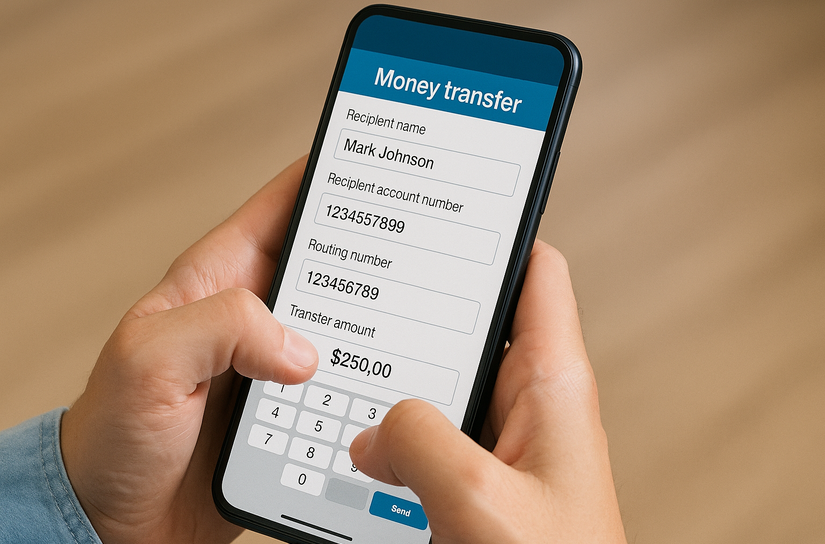
Full name of the recipient
Use the recipient’s legal name as it appears on their bank account. Mismatched names often cause transfers to fail.
Recipient’s bank name and account number
Banks use these numbers to route the funds through their system. Double-check the account number since it’s the most common source of mistakes.
Routing number or equivalent
Routing numbers identify the recipient’s bank in the US. For international transfers, you’ll use SWIFT or IBAN instead.
Transfer amount and currency
Choose the correct amount and confirm the currency, especially for international transfers where exchange rates may apply.
Reason for transfer (when required)
Some services require a short description for compliance, particularly when sending money abroad.
2) Additional information needed for domestic transfers
Domestic transfers usually require fewer fields than international transfers. This section helps you prepare information for common US-based methods.
Bank-to-bank transfers (ACH)
You need the routing number and account number of the recipient, plus your own account details. Some banks ask for a billing address for verification.
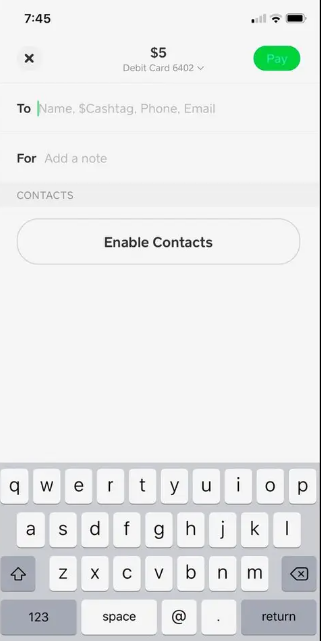
Mobile payment apps
You send money on PayPal, Zelle, Cash App, or similar apps, with just the recipient’s email, phone number, or profile name. These apps do not require bank numbers because they route funds through their own systems.
Cash pickup transfers
You typically need the recipient’s full name, the pickup location, and sometimes a security question. The recipient must show an ID at pickup.
3) Additional information needed for international transfers
International transfers go through more checkpoints and require extra data to ensure compliance with global banking standards.

SWIFT/BIC code
This code identifies the recipient’s bank internationally. Providers use it to send your money to the right banking institution.
IBAN
An IBAN organizes account and routing information into a single field. Many regions outside the US rely on this format.
Recipient’s address and bank address
Some transfers require full addresses to verify identity and confirm the banking region.
Purpose of transfer
Many countries require a stated purpose for anti-money-laundering checks. Short phrases such as salary, gift, or invoice payment are usually enough.
Intermediary bank
Some international transfers route through a secondary bank. You may need its SWIFT code if your provider requests it.
4) Information needed for business or large transfers
Large or business-related transfers often trigger extra checks for safety and compliance.
Tax identification or business ID
Banks may require EIN or other business identifiers to verify the sender or recipient.
Proof of funds or documentation
Invoices, contracts, or financial records may be required for transfers above certain thresholds.
5) How to verify the information before sending
A quick review reduces the chance of failed transfers and saves you from long support calls.
Confirm bank identifiers
Check routing, SWIFT, or IBAN numbers through your bank’s official app or documentation.
Double-check name spelling
Names must match the account exactly. Even small variations can cause delays.
Confirm the transfer limits
Your bank or payment app may have daily or transaction limits that affect your transfer.
6) Common errors and how to avoid them
- Incorrect bank numbers: One wrong digit can cancel the transfer or send it to the wrong account.
- Wrong currency selection: Choosing the wrong currency may result in additional fees or rejection.
- Outdated recipient information: Old email addresses, phone numbers, or closed accounts block transfers.
Summary
- Gather all required banking or app-based information before starting the transfer.
- Use the correct account identifiers such as routing numbers, SWIFT codes, or IBANs.
- Verify spellings, numbers, and currency choices to avoid delays.
- Prepare security credentials like PINs, passwords, and two-factor codes.
- Review fees, exchange rates, and cutoff times to understand the final cost and timing.
Clear transfer details help your payment move smoothly without delays or verification issues. When you double-check each field and prepare your security information, you reduce the risk of failed transfers and unexpected fees.


Discussion (0)
Be the first to comment.