



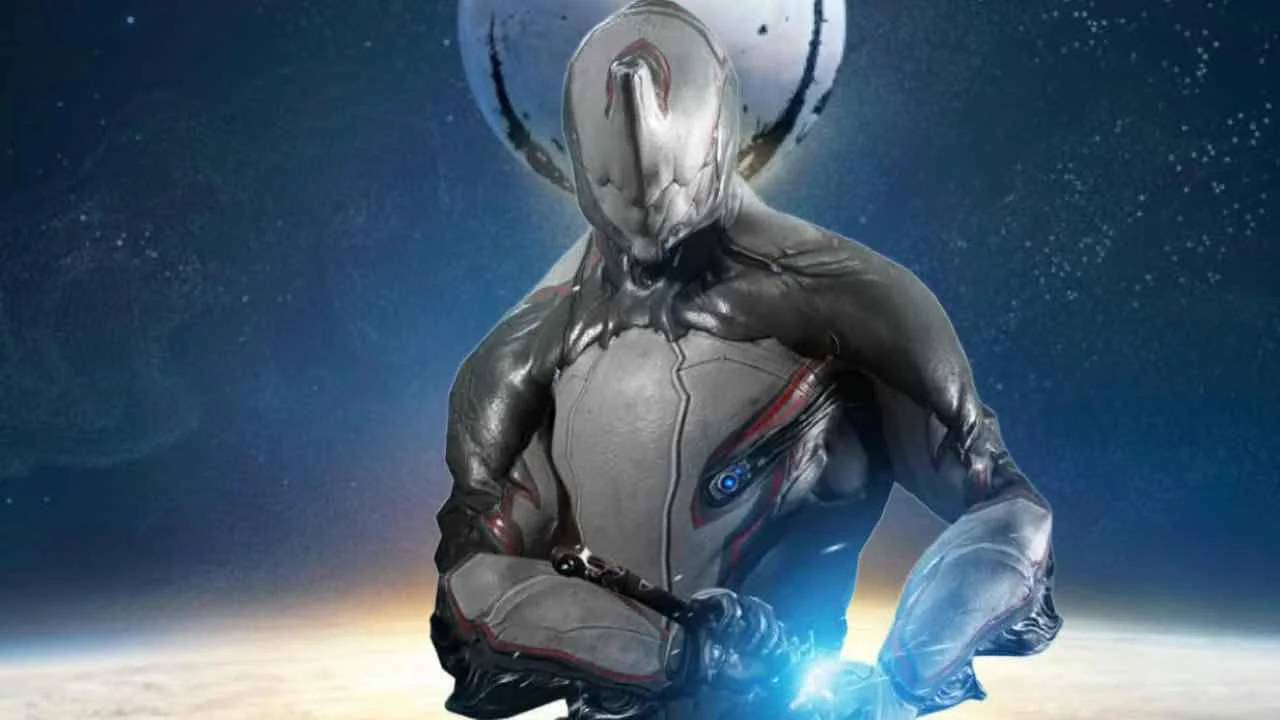
The end of Destiny 2 has raised concern across the games industry, with Warframe creative director Rebecca Ford warning that business decisions can take control away from the people who spend years building and supporting a game.
Destiny 2 received its final major content update in June 2026 after its planned conclusion was announced one month earlier. The game remains playable, but active development has ended and many members of its development team have reportedly lost their jobs.
Ford does not view the closure as a victory for Warframe, even though the two games competed for similar audiences for years. Instead, she believes it shows how quickly publishers can end a major project despite the time, creativity, and personal effort invested by its developers.
Her concern is not limited to Destiny. Large online games require teams to maintain servers, release updates, respond to feedback, and plan content several years ahead. Those teams may still have little control over when the project is reduced or closed if its financial performance no longer meets company expectations.
Developers may not control how their own games end
Ford said the business side of the industry often has the final say, even when developers remain committed to a project and its community.
That creates uncertainty for teams working under large publishers. A game can have a dedicated audience, recognizable characters, and years of history but still lose support because of financial problems, leadership decisions, or changes in corporate priorities.
| Industry concern | Possible effect |
|---|---|
| Publisher control | Development teams may not decide when support ends |
| Financial pressure | Games can close despite having active communities |
| Sudden layoffs | Experienced developers may lose jobs with little notice |
| Long term uncertainty | Teams may struggle to plan future content |
| Lost creative control | Developers may not shape the final chapter of their work |
| Player trust | Communities may become cautious about investing in live service games |
The issue is particularly important for live service games because players often spend years building characters, collecting equipment, purchasing content, and forming communities. When support ends unexpectedly, the impact extends beyond the loss of new updates.
Developers also lose the opportunity to give their work a planned ending. A team may have story ideas, technical improvements, or unfinished features that never reach players because the decision to stop development comes from outside the studio.
Destiny 2’s closure reflects wider pressure across gaming
Destiny 2’s decline has been linked to financial difficulties and concerns about leadership at Bungie. The conclusion of the game was followed by major staff reductions, adding to a long period of instability across the wider industry.
Thousands of developers have lost jobs since 2022 as publishers reduce costs, cancel projects, and reorganize studios. Companies expanded during the pandemic when gaming activity and technology investment increased, but many later found that the same level of spending was difficult to maintain.
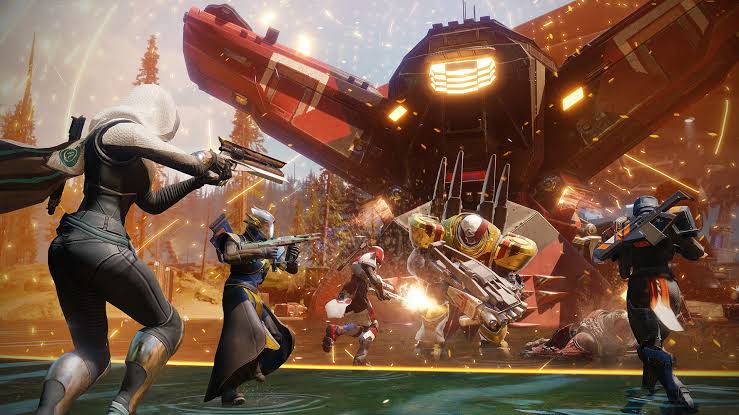
Rising development costs have added more pressure. Large games can take several years and hundreds of employees to produce, while publishers still expect regular growth. A project that performs reasonably well may still be considered unsuccessful if it does not meet an ambitious financial target.
Recent cuts across Xbox have added to those concerns. Thousands of employees are being affected, while several studios have been sold or separated from Microsoft. Teams working on major properties have also faced reductions, creating uncertainty around future games and ongoing support.
These decisions may improve short term financial results, but repeated layoffs can damage experience, morale, and production stability. Studios can lose specialists who understand important tools, systems, and long running projects.
Independent studios have more control but still face financial risks
Privately owned studios may have greater authority over their games, but independence does not remove every problem. They still need enough revenue to pay employees, operate servers, and continue development.
Warframe has survived for more than a decade through regular updates and a close relationship with its community. Its continued success gives its developers a level of stability, but Ford’s comments show that even teams behind established games remain aware of how quickly industry conditions can change.
The end of Destiny 2 is therefore important beyond one franchise. It shows that popularity, history, and developer commitment do not always protect a game from corporate decisions.
For players, the situation may also affect trust in long term online games. People may become less willing to spend heavily when they know that support, purchased content, and active communities can disappear after a business decision.
Destiny 2 remains accessible, but its final update marks the end of active development. For developers across the industry, the way it ended serves as a reminder that creative teams do not always control the future of the worlds they build.



Discussion (0)
Be the first to comment.