



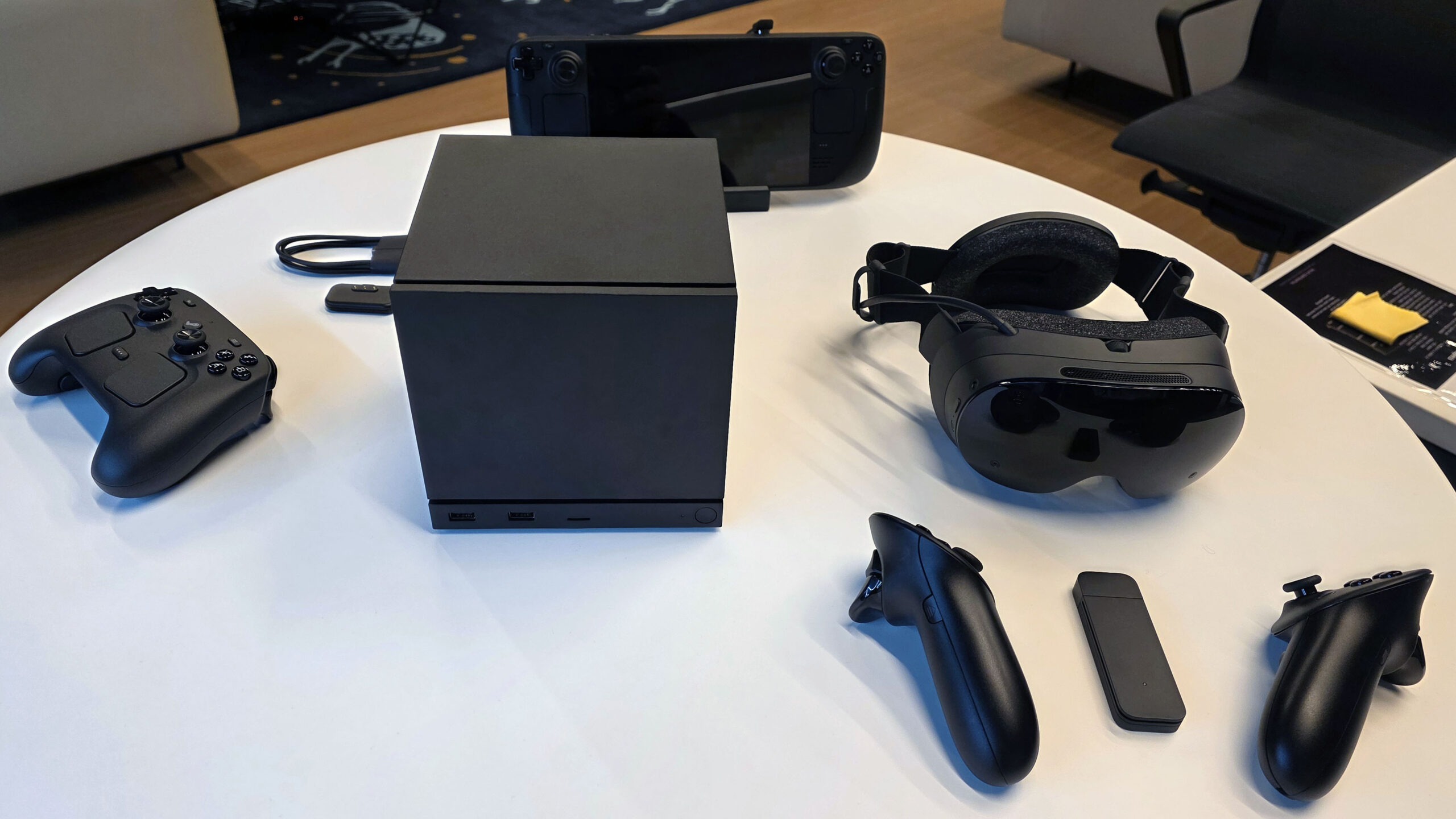
Valve has adjusted its Steam Frame verification system for 2D games, making it easier for traditional flat screen titles to receive a Verified rating on the upcoming VR headset. The change was noticed after Portal 2 moved from Playable to Verified, suggesting Valve is refining how it evaluates non VR games before Steam Frame reaches players.
The key change is tied to native display resolution requirements. Steam Frame’s display target appears to involve 2160x2160, which makes sense for full VR titles that need to cover a wide field of view and maintain a comfortable, immersive image. However, that same rule does not translate cleanly to 2D games, which are expected to run on a virtual flat screen rather than fill an entire VR environment.
Because of that, Valve is no longer testing 2D games against the same native display resolution requirement used for VR software. That adjustment helped Portal 2 earn a green checkmark for Steam Frame compatibility after previously falling short of full Verified status.
2D games do not need the same resolution standard as full VR titles
The distinction is important. A VR game needs to render a world around the player, support head movement, and maintain enough clarity and performance across the headset’s display. A 2D game, however, is closer to playing on a large virtual monitor. It still needs to be readable, comfortable, responsive, and easy to control, but it does not need to cover the full VR view in the same way.
| Steam Frame verification detail | What changed |
|---|---|
| Hardware focus | Valve’s upcoming Steam Frame VR headset |
| Affected game type | 2D or flat screen games |
| Previous issue | Native display resolution requirement could block Verified status |
| Reported target | 2160x2160 |
| New approach | 2D games are not tested against that same native resolution rule |
| Example game | Portal 2 |
| Result | Portal 2 moved to Verified after the verification update |
This should make the Steam Frame compatibility system more practical. If Valve had required every 2D game to run at the headset’s full native display target, many older or lighter PC titles could have been marked down even if they played perfectly well on a virtual screen. That would have created confusion for players and developers.
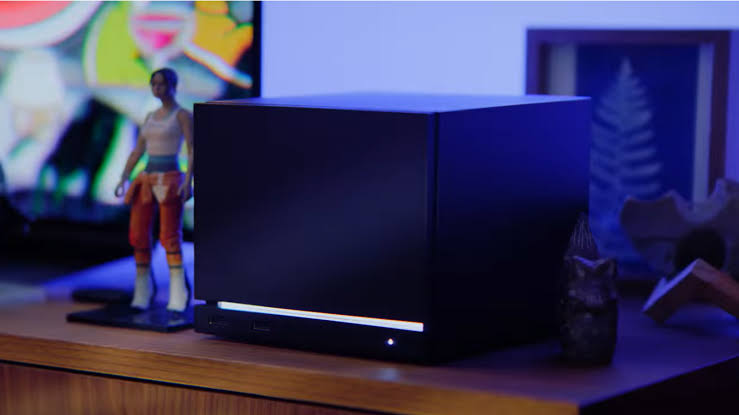
The change also shows that Steam Frame is being prepared for more than native VR games. Valve appears to be treating flat screen PC gaming as part of the headset’s core use case. That could make Steam Frame more useful because players may be able to enjoy both VR titles and standard Steam games through the same device.
Portal 2 is a good early example. It is not a modern VR game, but it remains one of Valve’s most important PC titles. Giving it a Verified rating helps demonstrate how the headset can support older and traditional games without forcing them into standards meant for full VR experiences.
The update may also explain why more 2D titles could receive Verified ratings rather than Playable ratings in the future. If the main issue was an unsuitable resolution requirement, removing that barrier should allow Valve to judge games on more relevant factors such as controls, interface readability, performance, and general comfort.
This is similar to how Steam Deck compatibility evolved. Valve had to build a rating system that reflected the actual experience on a handheld, not just whether a game could technically launch. Steam Frame needs the same kind of careful separation between native VR software and standard PC games running in a headset environment.
There are still many unknowns around Steam Frame, including launch timing, availability, pricing, and the full list of supported games. But this verification update is a useful sign that Valve is building the software infrastructure before release.
For players, the change should mean fewer misleading ratings. A flat screen game that works well on a virtual display should not be punished for failing a VR specific native resolution rule. For developers, it gives a clearer path to earning Verified status without needing to redesign a 2D title around full VR display requirements.
Steam Frame still needs a wider reveal, but Valve’s compatibility work is becoming more visible. By updating the rules for 2D games, the company is making sure its headset can support a broader Steam library from the start, not only dedicated VR releases.



Discussion (0)
Be the first to comment.