



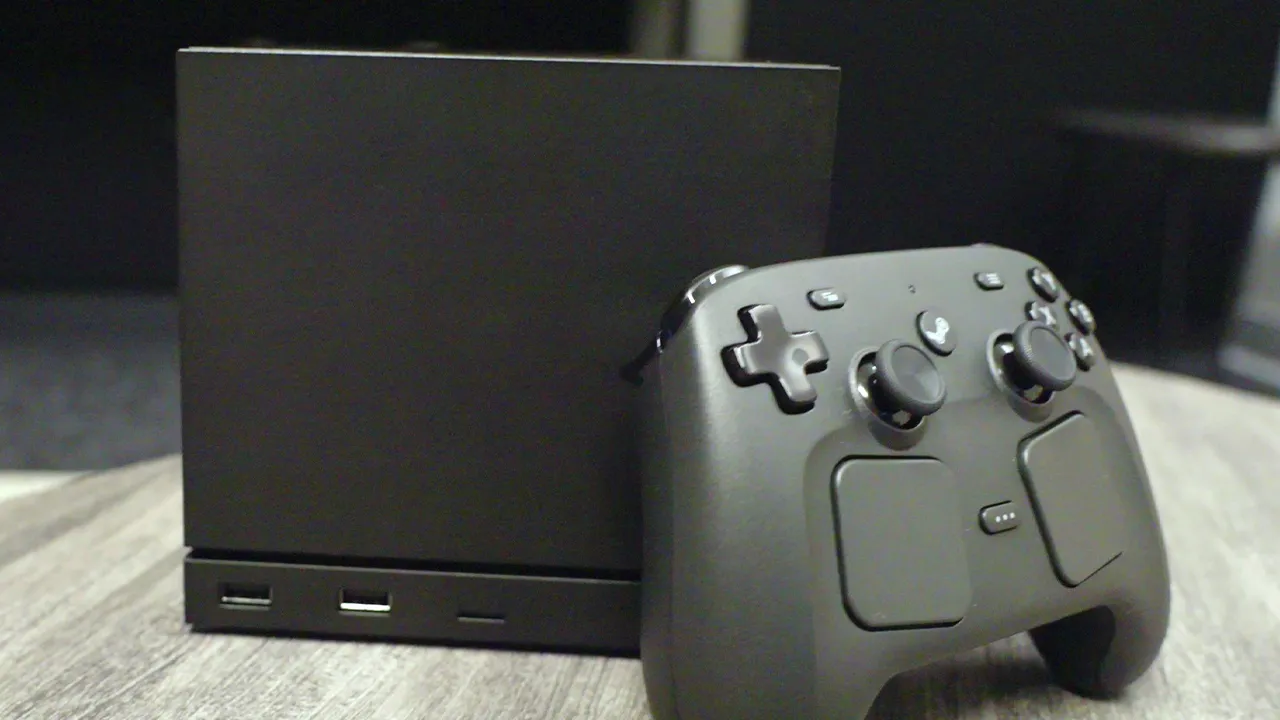
Valve says it does not believe the Steam Machine should be sold at a lower subsidized price, even though its $1,049 starting cost has disappointed many players. The company argues that selling hardware below cost would push the Steam Machine toward a closed console model and go against the open nature of PC gaming.
The Steam Machine launched with a base price of $1,049 for a 512GB model without a Steam Controller. That price is much higher than what many players expected, especially after earlier hopes that the system could land closer to the price of a traditional console.
Valve says the higher price reflects its approach to PC hardware. Rather than making back losses through a closed store, exclusive content, or tightly controlled software, the company wants the Steam Machine to be one option among many PCs capable of running SteamOS.
Valve Says Lower Hardware Prices Can Create Closed Systems
Traditional console makers often sell hardware at a lower price to attract more players, then earn revenue through digital game sales, subscriptions, accessories, and platform fees. Valve says it does not want to follow that structure with the Steam Machine.
The company believes subsidizing hardware can create pressure to keep players inside a controlled ecosystem. In Valve’s view, PC gaming works differently because people can choose their own hardware, operating system, stores, controllers, accessories, and software.
SteamOS is part of that strategy. Valve says players do not need to buy a Steam Machine to use its gaming software, because the latest version of SteamOS can be installed on a compatible living room PC built with different parts.
| Steam Machine Approach | What It Means |
|---|---|
| No hardware subsidy | Valve does not plan to sell the system below cost |
| Open PC platform | Players can choose different hardware and software |
| SteamOS availability | The operating system can run on compatible self built PCs |
| Hardware choice | Steam Machine is presented as one option, not a requirement |
| Higher starting price | Base model begins at $1,049 |
SteamOS Gives Players an Alternative to Valve Hardware
The biggest difference between Steam Machine and a traditional console is that SteamOS can run on other hardware. Players who do not want Valve’s prebuilt system can create a living room gaming PC with their own components and install SteamOS themselves.
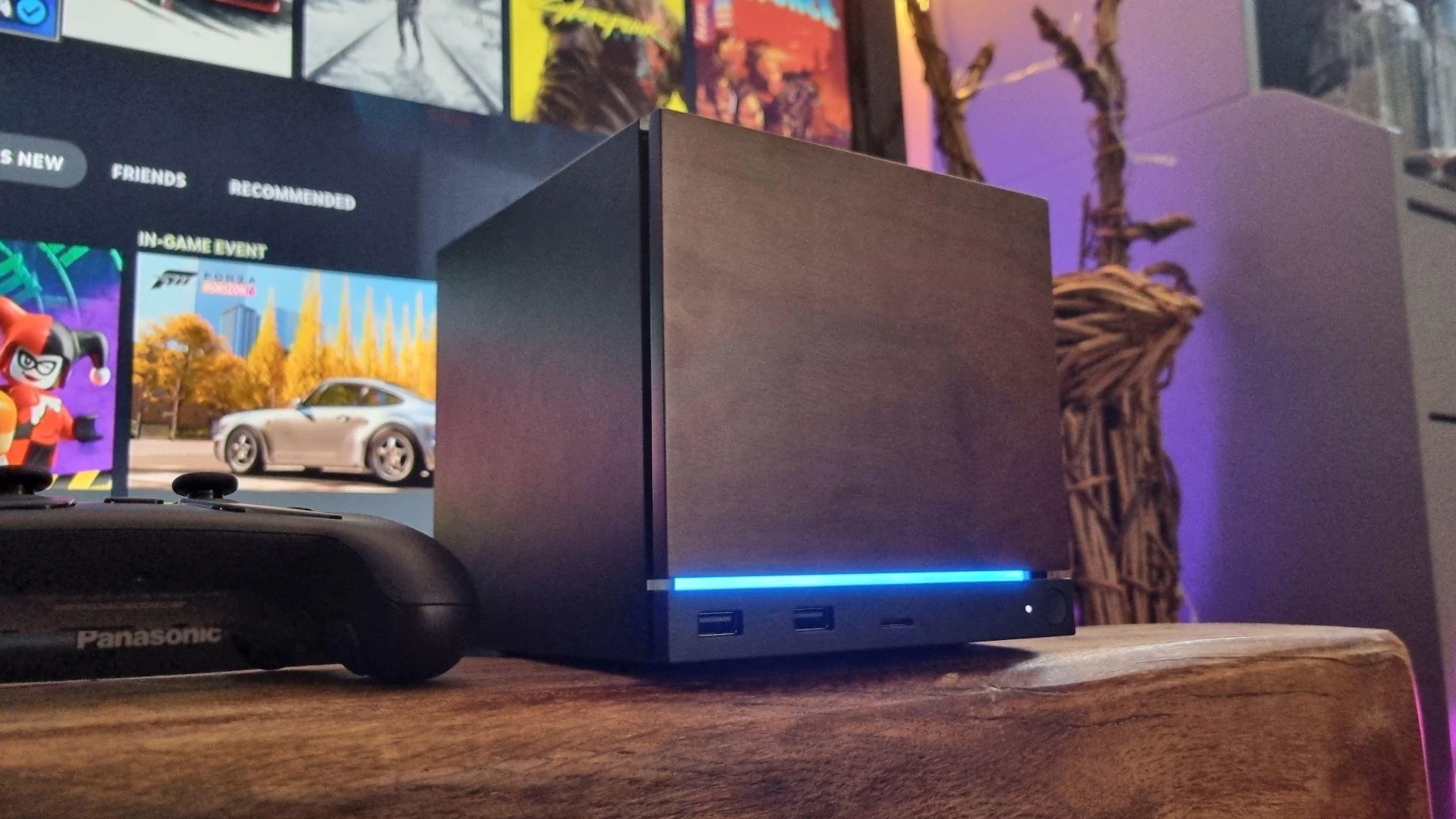
That flexibility is useful for people who want more storage, stronger graphics hardware, different cases, or a lower total cost. It also means Valve does not need to lock SteamOS behind its own hardware to make the platform work.
However, SteamOS currently has limitations. Support is focused on AMD graphics hardware, meaning players with other GPUs may not receive the same experience. Valve says it is working to expand compatibility, but there is no confirmed timeline for wider support.
The Price Still Makes the Steam Machine a Difficult Sell
Valve’s argument for openness may make sense in principle, but it does not remove the concern around value. At more than $1,000, the Steam Machine is competing with gaming PCs that can offer stronger hardware, more memory, larger storage, and easier upgrade options.
It is also competing with PlayStation 5 and Xbox hardware that cost far less because those platforms use the subsidized pricing model Valve is rejecting.
The Steam Machine may appeal to people who want a compact, simple PC gaming system for their TV without building one themselves. But the high price means Valve will need to convince players that convenience, SteamOS integration, and the open PC ecosystem are worth paying extra for.



Discussion (0)
Be the first to comment.