



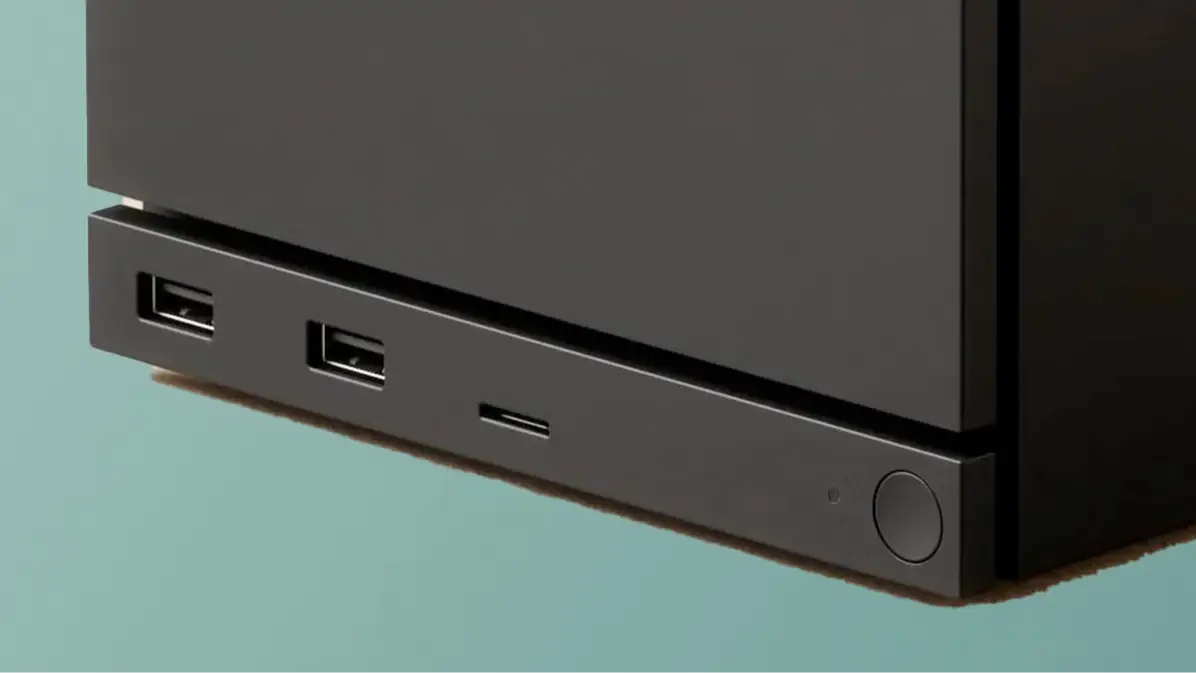
Valve’s new Steam Machine may face an unusual hardware issue after launch: some systems could ship with one 16GB DDR5 memory stick, while others may eventually use two 8GB sticks. Both versions would include the same total amount of memory, but they may not perform equally in every game.
The launch configuration reportedly uses a single 16GB module because of supply problems affecting lower capacity DDR5 memory. That means the first Steam Machines will run in single channel memory mode, which can reduce available memory bandwidth compared to a dual channel setup with two matching 8GB modules.
The difference may be small in games that are mainly limited by graphics performance. However, CPU heavy games with large worlds, complex AI systems, simulation features, or many active characters could see a more noticeable impact.
That creates a potential hardware lottery for buyers. Two people could purchase the same Steam Machine model with the same advertised 16GB memory capacity, yet receive different memory layouts and potentially different performance in certain titles.
Single Channel Memory Could Affect CPU Heavy Games Most
Memory configuration matters because modern processors need fast access to data while running game logic, physics, artificial intelligence, streaming systems, and background tasks.
A single 16GB stick provides the same total capacity as two 8GB sticks, but it limits the system to single channel operation. Two memory sticks allow the processor to access more data at once through dual channel memory.
This does not mean every game will run poorly on the launch Steam Machine. Many titles are more dependent on graphics performance, and the impact may be limited in those cases.
The concern is more relevant for games that place heavy demands on the CPU and system memory. Large open world RPGs, strategy games, simulation titles, and games with crowded cities or complex NPC behavior may be more sensitive to reduced memory bandwidth.
| Memory Setup | Total Capacity | Expected Effect |
|---|---|---|
| One 16GB DDR5 module | 16GB | Single channel memory operation |
| Two 8GB DDR5 modules | 16GB | Dual channel memory operation |
| Graphics limited games | 16GB | Smaller performance difference expected |
| CPU heavy games | 16GB | Greater chance of lower performance with one stick |
| Future complex games | 16GB | May become more demanding over time |
Buyers May Not Know Which Configuration They Receive
Valve has reportedly said that future systems could use two 8GB sticks if supply conditions change. The problem is that buyers may not be able to choose their memory layout before ordering.
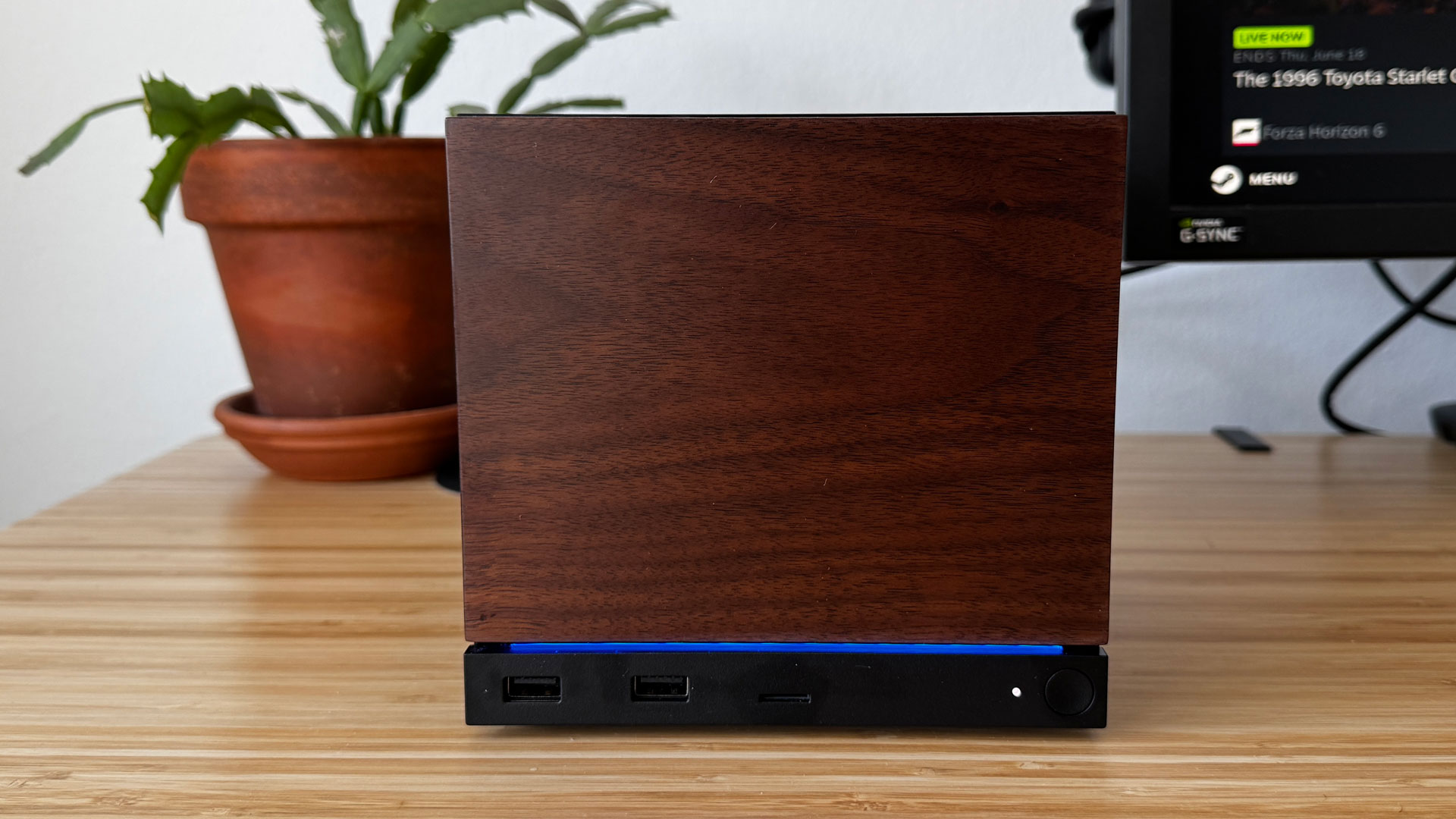
Storage capacity remains the main visible difference between Steam Machine models, but the internal memory setup could vary depending on availability. This is similar to past hardware situations where buyers received different displays, storage components, or internal parts despite purchasing the same device.
The Steam Machine situation could matter more because memory configuration can directly affect game performance. A display difference may change image quality, but single channel memory can influence frame rates and consistency in certain games.
Upgrading the Memory May Not Be a Simple Solution
The Steam Machine reportedly includes two memory slots, which means upgrading may be possible later. However, buyers will need to wait for confirmed information about the exact RAM specifications before purchasing compatible modules.
Memory prices are also high due to wider supply pressure, making an upgrade more expensive than usual. Opening the system could also affect warranty coverage, depending on Valve’s final repair and upgrade policies.
The bigger concern is long term value. A gaming PC priced above $1,000 is expected to remain useful for several years. If some units begin with a less effective memory setup, they may struggle sooner in future CPU intensive games than systems using dual channel memory.
Valve’s Steam Machine still offers the flexibility of a PC, including possible upgrades over time. But buyers will want clearer information about RAM configuration before deciding whether the system provides good value at its launch price.



Discussion (0)
Be the first to comment.