



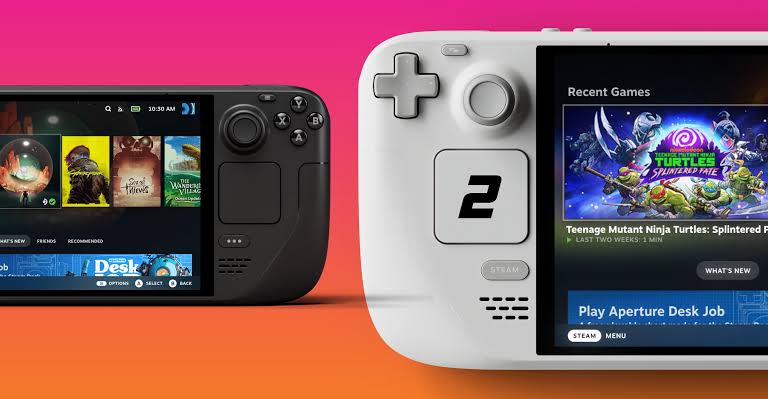
Valve says the ongoing RAM shortage has not changed its basic plans for a future Steam Deck 2.
The company is still waiting for a clear generational improvement in performance before releasing a second generation handheld. Valve has repeatedly said that it does not want to launch a new Steam Deck simply because newer chips are available.
Instead, the goal remains to deliver a meaningful performance increase while staying within the kind of power limits that make sense for a portable gaming device.
| Detail | Current position |
|---|---|
| Steam Deck 2 plans | Unchanged |
| Main requirement | Clear performance improvement |
| Power target | Around 15W class efficiency |
| RAM shortage impact | No major change to product goals |
| Release timing | Not announced |
| Current status | Still evaluating hardware conditions |
Valve still wants a real generational leap
Valve developer Pierre Loup Griffais said the company is still looking at Steam Deck 2 in the same way it has before.
The main requirement is a noticeable performance jump.
Valve does not appear interested in releasing a small upgrade that offers only modest gains over the current Steam Deck hardware.
That approach has been consistent with earlier comments from the company.
A future model needs to improve performance enough that the difference is obvious while still maintaining reasonable efficiency and battery life.
This is especially important for a handheld, where simply increasing power consumption can create new problems with heat, noise and battery runtime.
The RAM crisis has already affected current hardware
The wider memory shortage has already pushed up hardware costs.
Steam Deck pricing has reportedly increased significantly in some configurations, with certain models rising by as much as $300.
Other Valve hardware, including the Steam Machine, has also been affected by higher component costs.
That naturally creates concern about what a future Steam Deck 2 might cost if memory prices remain elevated.
Valve, however, says those market conditions have not changed the kind of product it wants to build.
The company is still focused on delivering the same overall experience and performance goals it had before the shortage became more severe.
Timing will depend on available hardware
Valve has not announced a launch date for Steam Deck 2.
The company continues to evaluate when suitable hardware will become available.
That means the decision is likely tied to processor efficiency, graphics performance and overall platform cost rather than a fixed yearly upgrade cycle.
Valve has previously emphasized that it wants a major performance improvement at roughly the same power level rather than simply increasing thermal limits.
That suggests the company is waiting for a new chip generation capable of delivering significantly more performance per watt.
Higher component prices could still affect the final cost
Even if Valve's design goals remain unchanged, the RAM shortage could still influence the eventual retail price.
Memory and storage are important parts of a handheld's bill of materials.
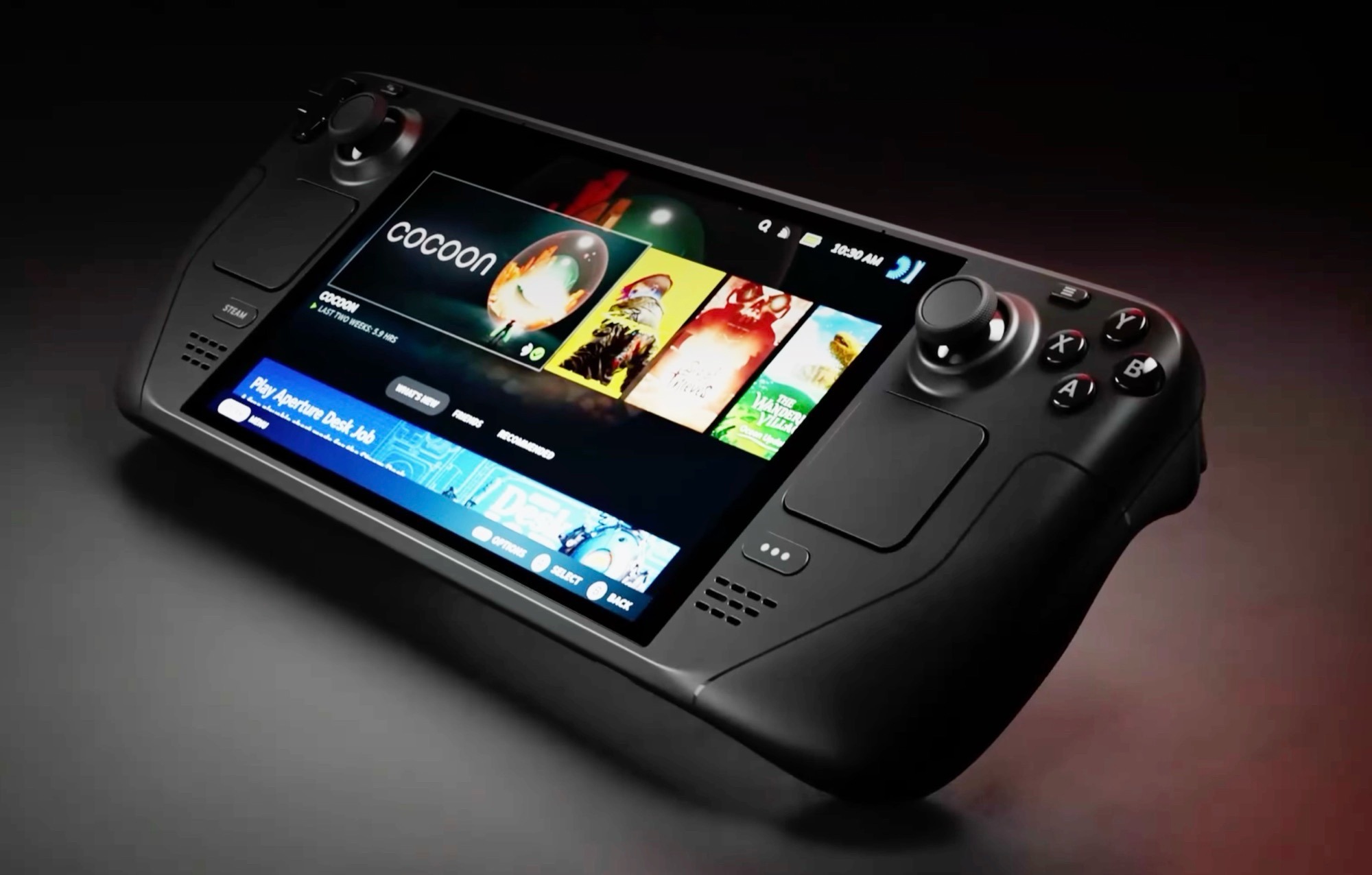
If component prices remain high when Steam Deck 2 production begins, Valve may have to absorb those costs, reduce margins or pass some of the increase on to buyers.
The company did not say that the shortage would have no effect on pricing.
Its comments were focused on product plans and performance goals.
That distinction matters because Valve can keep the same technical target while still facing a more expensive manufacturing environment.
Steam Deck 2 still appears to be some distance away
Valve's comments suggest that the next generation handheld is not ready for an immediate launch.
The company is still waiting for the right combination of performance, efficiency and market conditions.
That fits with its broader strategy for Steam Deck hardware.
Rather than treating the device like a smartphone with frequent annual updates, Valve appears to prefer larger hardware jumps that give existing owners a clear reason to upgrade.
For now, the RAM shortage has not changed that approach.
Steam Deck 2 is still expected to arrive only when Valve believes it can offer a meaningful performance improvement without sacrificing the efficiency and portable experience that defined the original device.

Discussion (0)
Be the first to comment.