



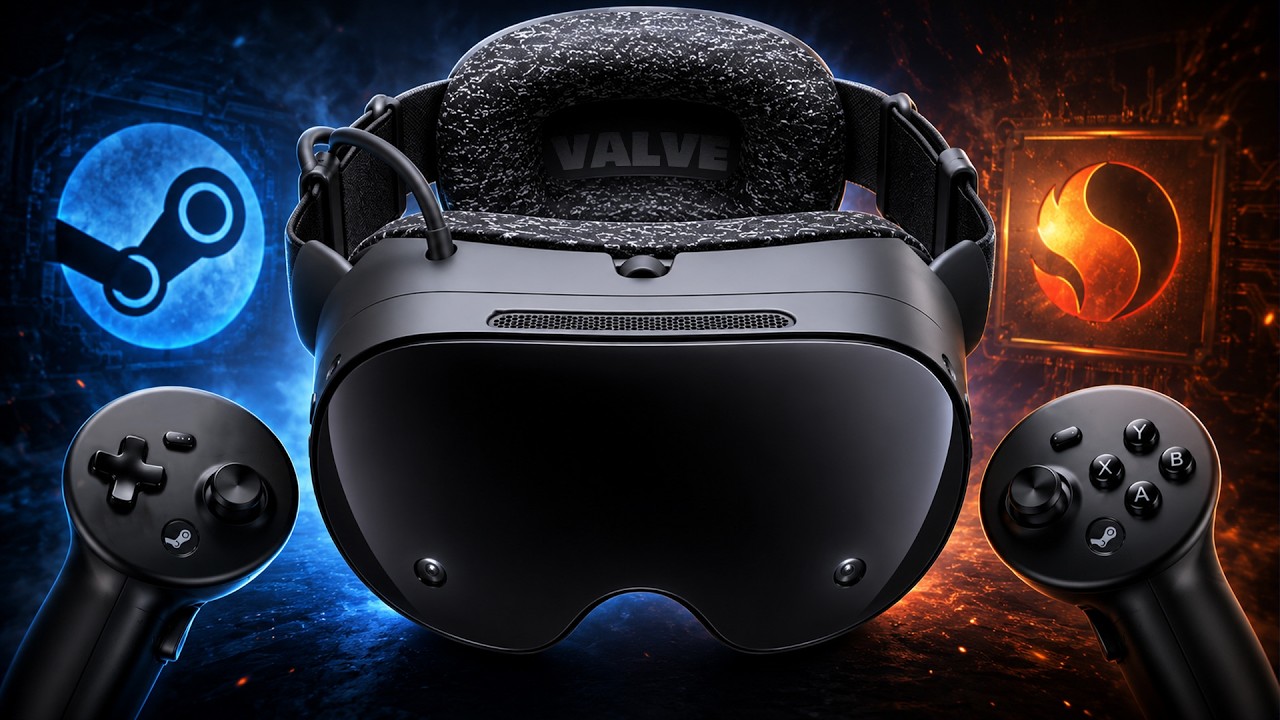
Unreal Engine 5.8 will add experimental support for Valve’s Steam Frame, giving developers an early path to build and test games for the upcoming headset.
Epic is working with Valve on the support, which will arrive in the next major version of Unreal Engine. That matters because Unreal Engine powers many modern games, and built in support could make it easier for studios to bring native apps and games to Steam Frame.
Steam Frame is expected to work in two ways. It can connect to a PC and play VR games powered by that machine, but it can also run some games directly on the headset. Unreal Engine 5.8 support likely helps with that second part.
For developers, this should mean better tools for exporting games to run natively on Steam Frame. It may also help Unreal Engine recognize the headset and its controllers during development, making testing easier.
| Unreal Engine 5.8 support | Why it matters |
|---|---|
| Experimental Steam Frame support | Lets developers begin testing for Valve’s headset |
| Native headset support | Helps games run directly on Steam Frame |
| Controller detection | Makes development and testing easier |
| Valve and Epic collaboration | Gives the platform stronger engine backing |
| Early stage status | Features may still change before full support |
This is an important step if Valve wants Steam Frame to compete seriously with Meta Quest 3. Meta already has a strong standalone VR library, and that library is one of Quest’s biggest advantages. Steam Frame needs more than PC streaming if it wants to reach the same kind of audience.
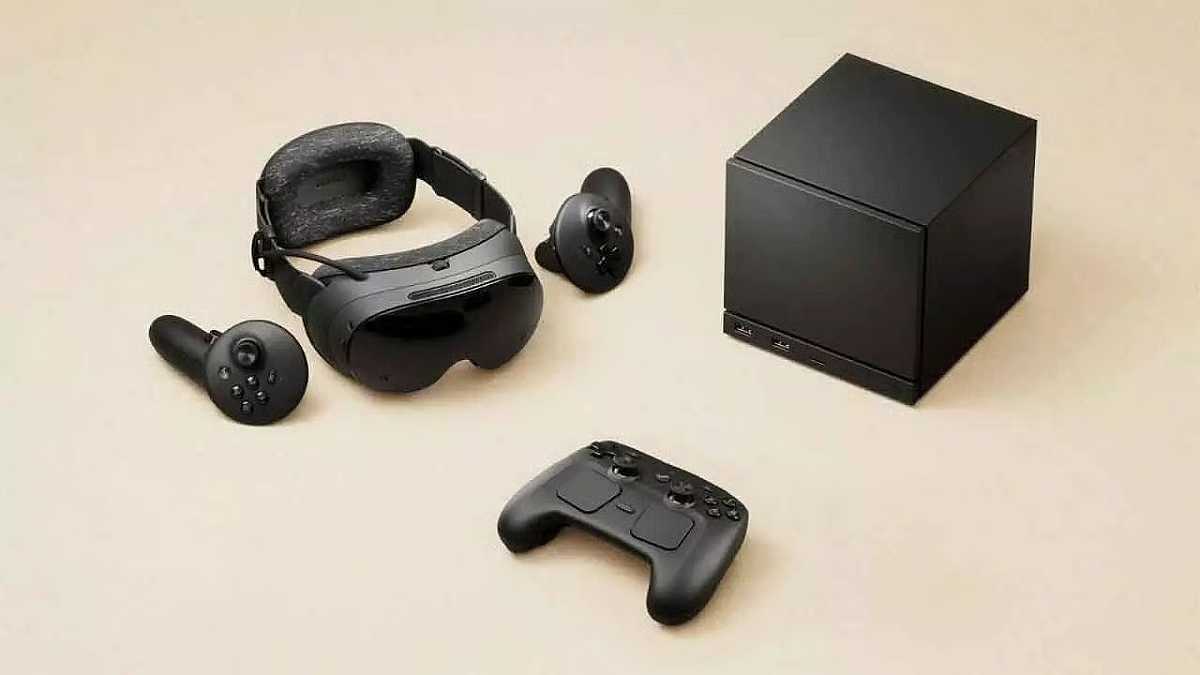
Native games matter because they make the headset easier to use. Not everyone wants to rely on a gaming PC, a strong home network, or wired setup every time they play. If Steam Frame can run more games directly, it becomes more flexible.
Unreal Engine support also helps developers. Studios are more likely to target a new device when their engine already supports it. Even experimental support is useful because it lets developers start testing early rather than waiting until after launch.
Valve already has a major advantage through Steam’s existing VR library, but most of that strength is tied to PC VR. Steam Frame’s long term success may depend on whether it can combine PC VR access with a growing native software library.
Unreal Engine 5.8 support is not a full launch announcement, and it does not guarantee a huge wave of native Steam Frame games right away. But it is a strong sign that Valve is preparing the software ecosystem around the headset.
For players, the takeaway is simple. Steam Frame is becoming more real, and developers are starting to get the tools they need to build for it. If native Unreal Engine games begin arriving on the headset, Valve’s next VR device could become much more than a PC streaming accessory.


Discussion (0)
Be the first to comment.