


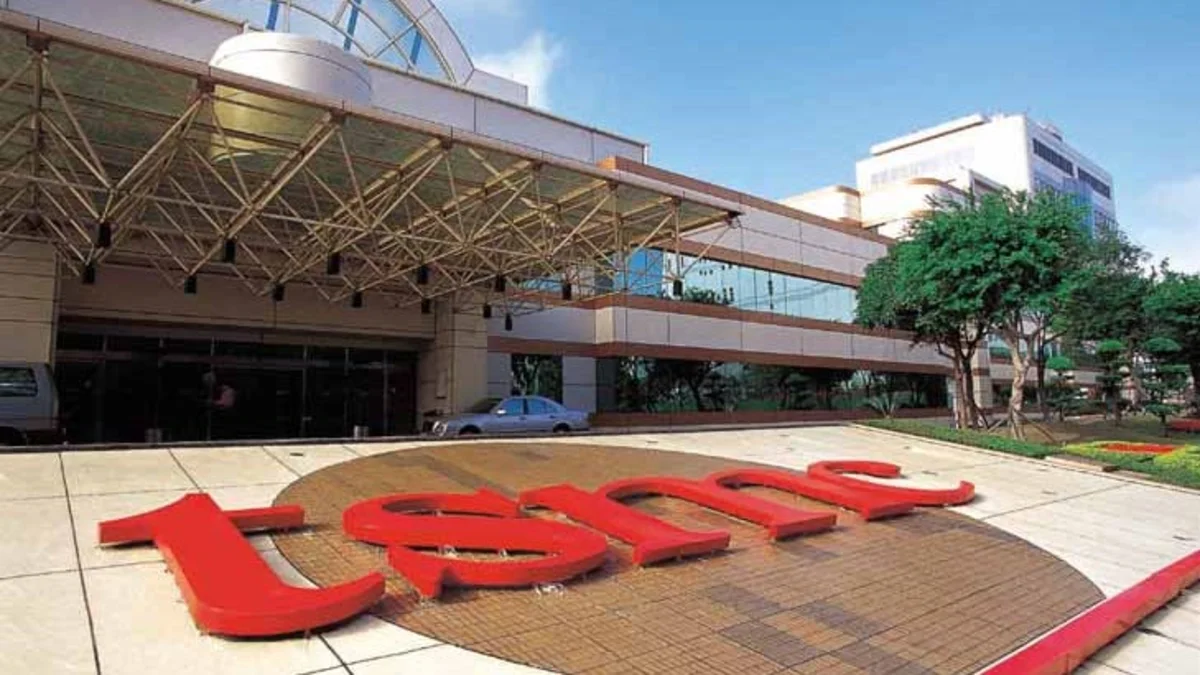
Taiwan is moving forward with plans to develop an advanced semiconductor manufacturing hub in Tainan, where TSMC could establish a facility for its upcoming 1nm chip technology.
Cheng-Wen Wu, chairman of Taiwan's National Science Council, recently discussed the proposed Shalun Science Park during a parliamentary session, providing additional details about the project's planning and development.
His comments indicate that the site is being prepared for semiconductor manufacturing technologies at 1nm and potentially smaller process nodes.
The science park could also accommodate companies developing robotics and components suitable for space applications, expanding its role beyond conventional semiconductor manufacturing.
However, TSMC has not independently confirmed the final location or construction schedule of its proposed 1nm fabrication facility.
Shalun Science Park Could Support TSMC's Most Advanced Chip Technologies
According to Wu, feasibility studies and resource planning for the Shalun development have already been completed.
The project has now entered the second phase of its environmental assessment, an important requirement before construction can proceed.
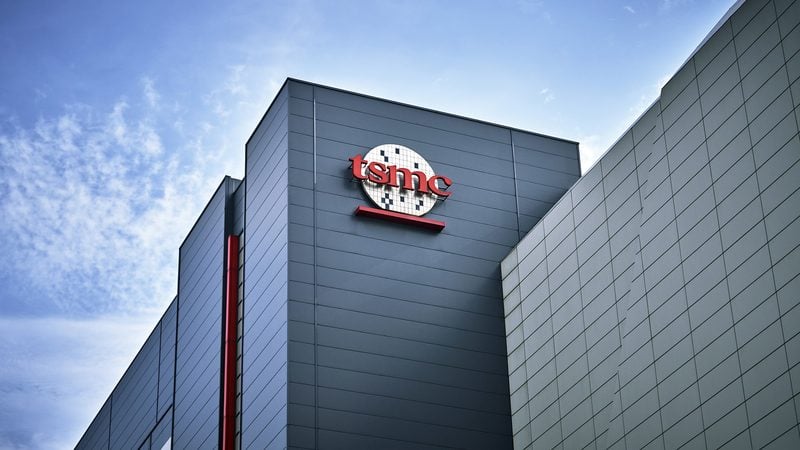
The minister indicated that the proposed site would support 1nm semiconductor manufacturing alongside technologies that could eventually move beyond that level.
Previous reports had identified Shalun as a potential location for TSMC's future manufacturing operations.
Wu's latest statements provide stronger indications that Taiwan intends to accommodate advanced chip production in the region.
The development could become an important part of the country's efforts to maintain its semiconductor manufacturing leadership.
TSMC Is Already Planning Chip Technologies Beyond 2nm
TSMC has outlined an ambitious roadmap extending beyond its current advanced manufacturing processes.
During its 2026 European Technology Symposium, the company discussed future technologies, including its A14, A13 and A12 process generations.
The A14 platform targets the 1.4nm generation, while A12 is expected to enter production in 2029.
The roadmap also includes backside power delivery, which separates power connections from signal routing to improve chip design efficiency.
Earlier, TSMC discussed the possibility of manufacturing monolithic processors containing approximately 200 billion transistors by 2030.
Meanwhile, Taiwan's proposed science park could support additional industries.
Wu indicated that companies meeting the necessary quality standards could manufacture components intended for space applications.
Robotics manufacturers and specialized materials suppliers could also participate in the development.
Although detailed investment figures and construction timelines remain undisclosed, the government's planning suggests that Shalun could become a significant location for Taiwan's next generation of advanced semiconductor production.

Discussion (0)
Be the first to comment.