



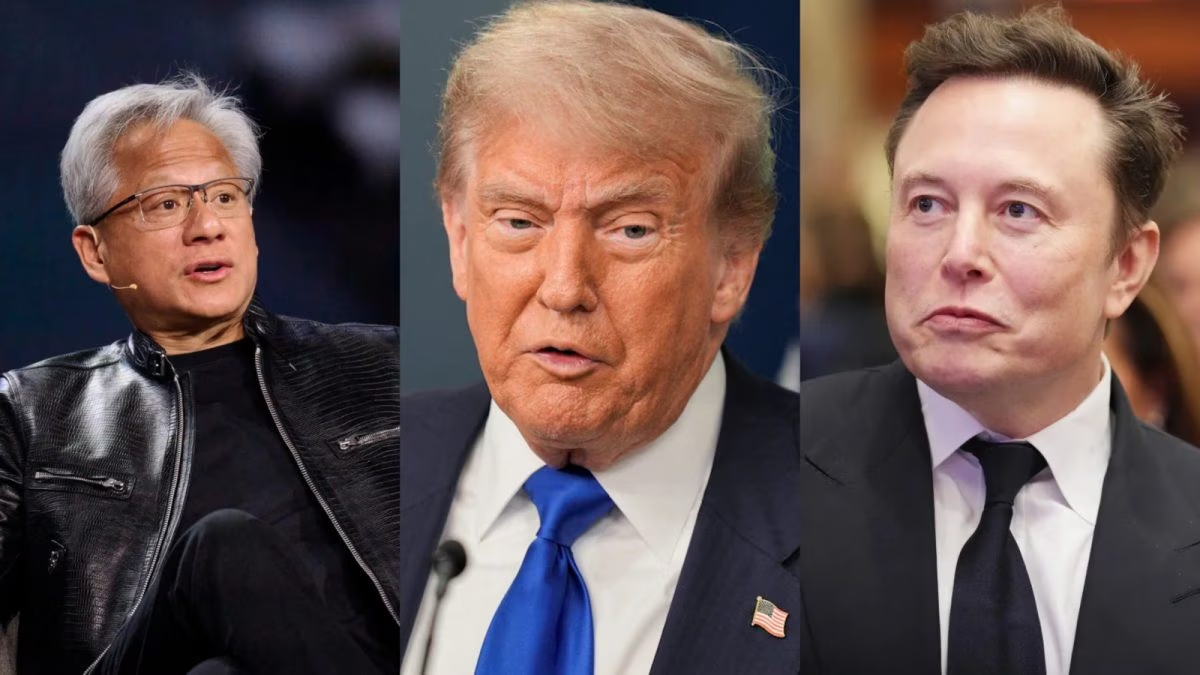
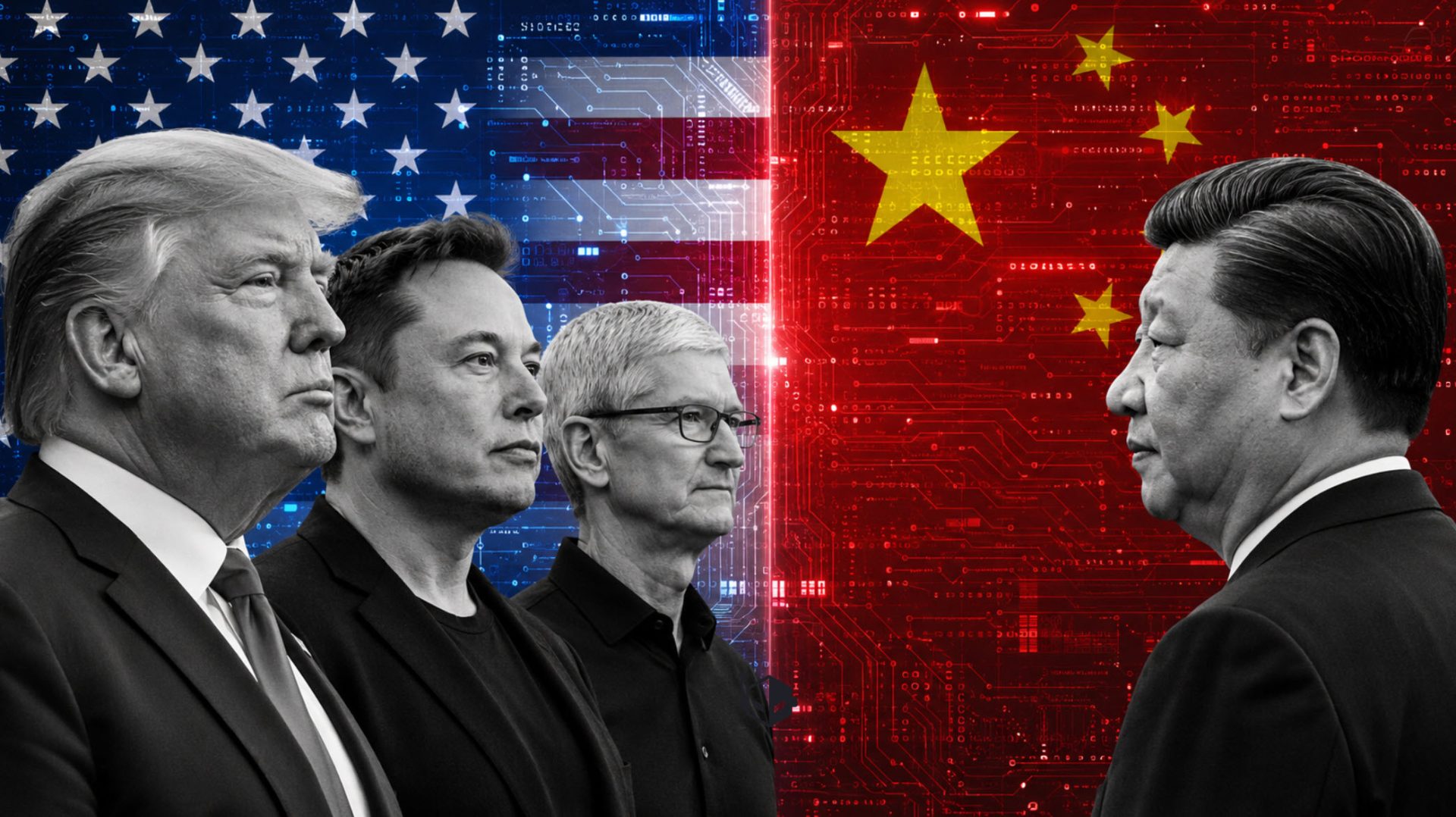
US President Donald Trump is set to visit China from May 13 to May 15, with several major business leaders expected to join him.
The trip will include meetings with Chinese President Xi Jinping and is expected to focus on trade, artificial intelligence, tariffs, Taiwan, Iran, and nuclear weapons. It is also being watched closely because it marks the first US presidential visit to China in nearly a decade.
The executive list reportedly includes Elon Musk, Tim Cook, and leaders from Qualcomm, Citigroup, Boeing, Goldman Sachs, Blackstone, BlackRock, and Meta. With that kind of lineup, technology and business deals are expected to be a major part of the visit.
One major name is missing, though: NVIDIA CEO Jensen Huang.
According to the report, Huang was not invited and is not expected to travel to China with Trump. The White House is reportedly focusing more on agriculture and commercial aviation matters during this trip, including possible Boeing aircraft orders.
Here is the current picture:
| Area | Details |
|---|---|
| Visit dates | May 13 to May 15 |
| US leader | President Donald Trump |
| Chinese leader | President Xi Jinping |
| Expected topics | Trade, AI, tariffs, Taiwan, Iran, nuclear weapons |
| Tech executives expected | Elon Musk, Tim Cook, Qualcomm executives, Meta representatives |
| Other major firms | Boeing, Citigroup, Goldman Sachs, Blackstone, BlackRock |
| NVIDIA CEO Jensen Huang | Reportedly not invited and not attending |
Huang’s absence is notable because NVIDIA is central to the global AI hardware race. Its GPUs power much of the current AI boom, and China remains one of the most important technology markets in the world.
Still, NVIDIA may not need a China deal as badly as some other companies. Demand for NVIDIA’s AI chips is already extremely high, especially from US based cloud providers and AI companies. The company has also leaned into a US first strategy, prioritizing domestic AI infrastructure and manufacturing partnerships.
NVIDIA currently has no official share in China’s advanced AI chip market because of export controls and trade restrictions. The company is also investing heavily in US based production and is reportedly connected to future manufacturing plans involving Intel and next generation chips.
That makes Huang’s absence less damaging than it might look at first. NVIDIA’s biggest constraint right now is not demand, but supply. Its Blackwell and Rubin platforms are already in huge demand, and US AI firms are consuming enormous amounts of available capacity.
The trip still matters for the broader tech industry. The US and China have been easing back from the most aggressive parts of the trade conflict, but both sides remain cautious. This visit could reopen some talks around technology, tariffs, aviation, and commercial cooperation, but major breakthroughs may take longer.
For companies like Apple, Tesla, Qualcomm, and Boeing, China remains deeply important. Apple depends heavily on Chinese manufacturing and sales. Tesla has major operations in China. Qualcomm depends on Chinese smartphone and device makers. Boeing could benefit from aircraft orders.
NVIDIA is in a different position. Its China business is restricted, but its AI demand elsewhere is so strong that skipping this trip may not change much in the near term.
The bigger message is that US China business talks are returning to a more active stage, but not every tech giant is being brought into the room.
Discussion (0)
Be the first to comment.